Pricing
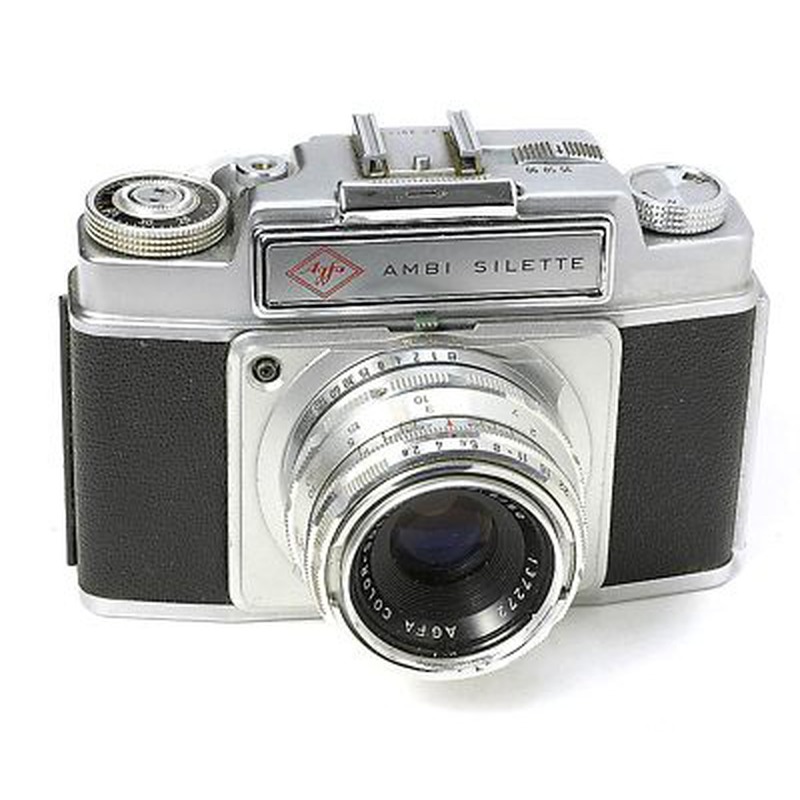
Agfa Ambi Silette
Agfa · Germany · 1956–1961 (5 years) · 135 film
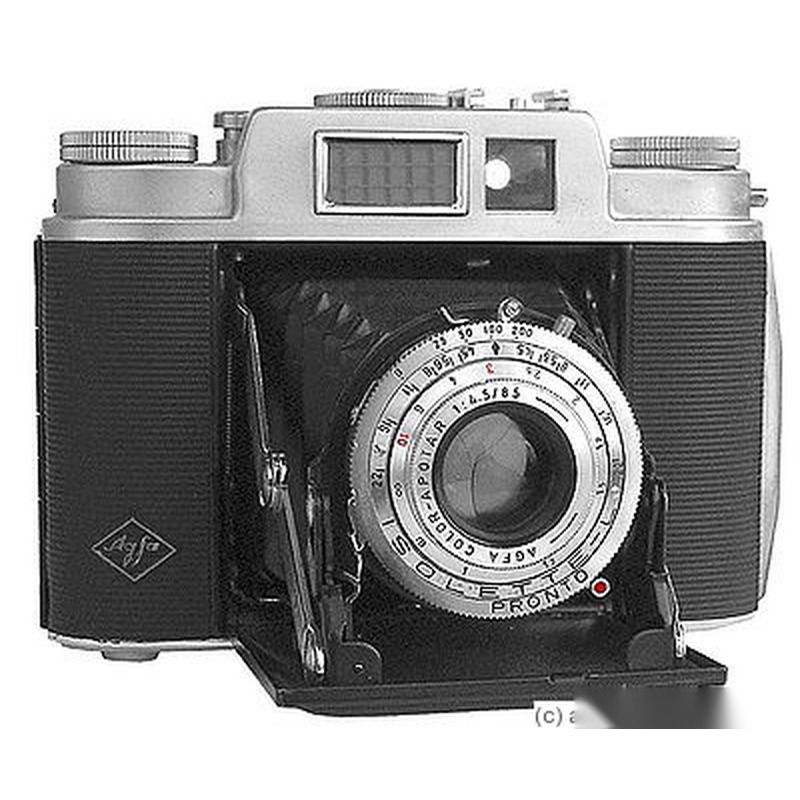
The Ambi Silette, produced by Agfa from 1956 to 1961, represents the German company's mid-century effort to offer a practical and accessible 135 (35mm) camera for the amateur photographer. Sharing design cues with Agfa's contemporary Silette models, it typically featured a coupled rangefinder for accurate focusing, a leaf shutter providing speeds from around 1 second to 1/500th, and a fixed or interchangeable lens mount. Its construction, primarily with metal bodies and basic controls, prioritized robust functionality over premium materials. Positioned as a step up from simpler box cameras and folding models, the Ambi Silette catered to photographers seeking a more versatile but still affordable 35mm alternative to complex SLRs or high-end rangefinders.
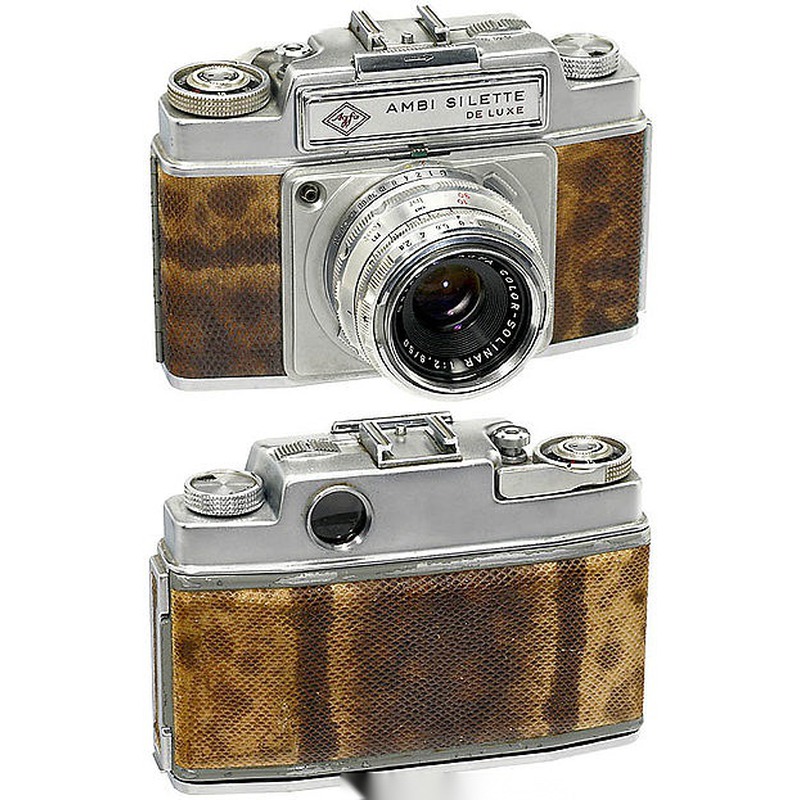
While not technologically revolutionary, the Ambi Silette holds significance as a representative example of the 1950s/60s European market for reliable, straightforward 35mm cameras. It contributed to the widespread adoption of the 35mm format by enthusiasts who wanted better image quality than roll film but found SLRs intimidating or expensive. Its production spanned five years, indicating a solid, steady market presence, and various iterations (like the Ambi Silette I, II, III, and IV) offered incremental improvements in features or finish. It exemplifies the era's transition where 35mm became the dominant format for serious amateur photography, built on foundations of competence rather than innovation.
Specifications
| Film Format | 135 |
/main.jpg)
/main.jpg)
 Enjoy this museum? Support on Ko-fi