Pricing
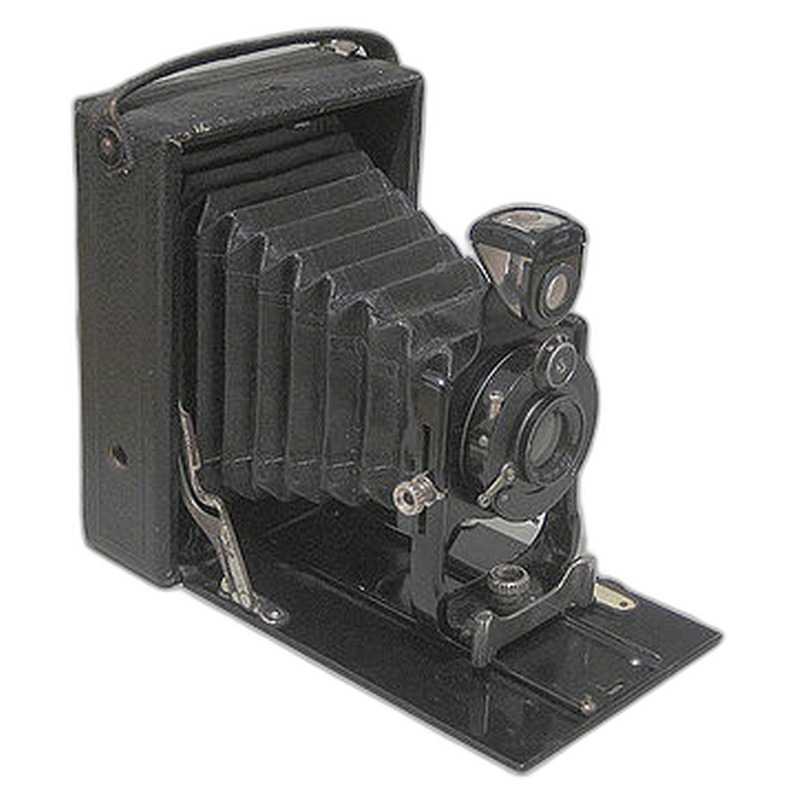
ICA Sirene
ICA · Germany · 1914–1926 (12 years) · 135 film
The Sirene, produced by the German firm ICA (Internationale Camera Aktiengesellschaft) between 1914 and 1926, holds a place among the pioneering cameras of the early 35mm era. As one of the earliest models utilizing 135 film (35mm perforated cine film adapted for still photography), it represents a significant step towards the compact, high-volume photography that would later become standard. ICA, a major pre-merger German camera manufacturer, positioned the Sirene likely as an early attempt to cater to enthusiasts seeking smaller negatives and potentially more portable solutions compared to larger plate or roll-film cameras of the period. Its design and construction reflected the robust, utilitarian approach typical of high-quality German goods during that time, prioritizing functionality over flashiness for the discerning amateur photographer.
While the Sirene wasn't a groundbreaking innovation like the subsequent Leica, it contributed importantly to the infrastructure and acceptance of 35mm photography. Existing within the transitional phase before the format's explosion, its production spanned over a decade, indicating some market stability and interest. However, specific details about its exact mechanism, shutter speeds, lens specifications, or distinctive features are scarce in the provided information, limiting a more detailed technical assessment. Its primary significance lies in being an early commercial product from a respected maker utilizing the nascent 35mm format, bridging the gap between earlier large formats and the miniaturized cameras soon to follow.
Specifications
| Film Format | 135 |
/main.jpg)
/main.jpg)
/main.jpg)
/main.jpg)
/main.jpg)
 Enjoy this museum? Support on Ko-fi