/main.jpg)
Pricing
ICA Ideal Stereo (9x18, 650)
ICA · Germany · 1914–1926 (12 years) · 135 film
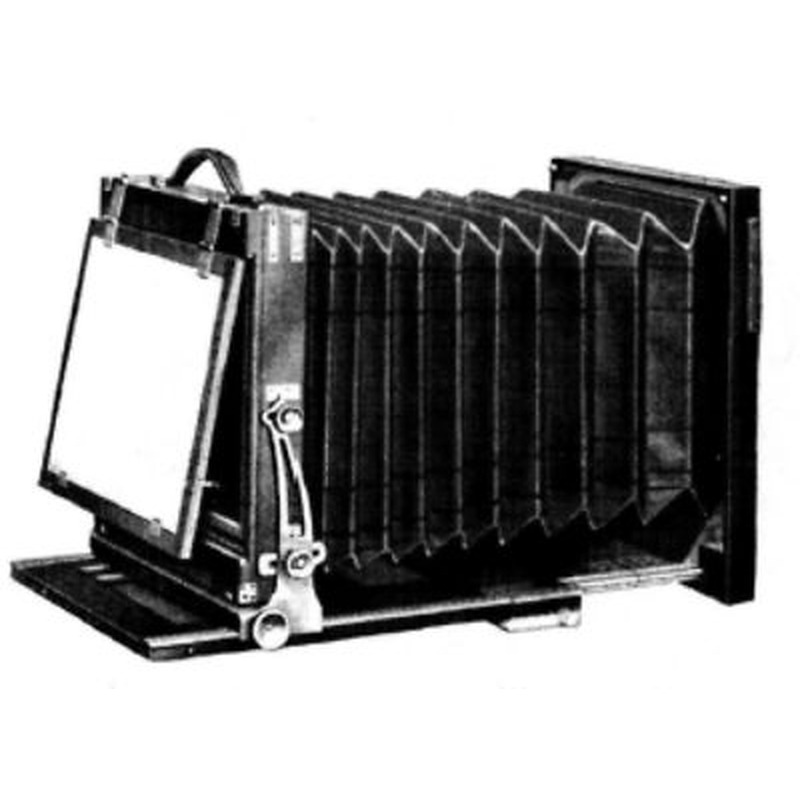
The Ideal Stereo (9x18, 650) represents an early application of 35mm film technology by the German manufacturer ICA, active during a crucial transitional period in photography between 1914 and 1926. While not the first 35mm camera, it holds significance as a product of ICA, one of the major players in the German optics industry that later consolidated into Zeiss Ikon. As a stereo camera, its primary function was to capture paired images for stereoscopic viewing, a popular pastime at the time. The "9x18" likely refers to the negative dimensions on the 35mm film, which would have been smaller than the standard full-frame 24x36mm that later became the norm, indicating a specialized format designed specifically for stereo pairs. The "650" might denote a model number or series index. Its production span covers the end of World War I and the early Weimar years, placing it within the formative era of miniature photography, though predating the widespread adoption of the 35mm cartridge format introduced by Leica in 1925.
Given its context, the Ideal Stereo was likely a mid-range or specialized camera catering to enthusiasts of stereoscopic photography. Its design would have been straightforward, focusing on reliable operation for its specific purpose rather than advanced features. The construction would have utilized materials typical of the period, such as metal alloys and possibly leatherette covering, reflecting solid but not revolutionary engineering. It filled a niche in the market for small-format stereo cameras before the dominant Leica and Contax models shifted the paradigm entirely towards single-frame 35mm photography for general use. Its survival into 1926 indicates it found a market during a time of significant technological experimentation in small formats.
Specifications
| Film Format | 135 |
/main.jpg)
/main.jpg)
/main.jpg)
/main.jpg)
/main.jpg)
 Enjoy this museum? Support on Ko-fi