/main.jpg)
Pricing
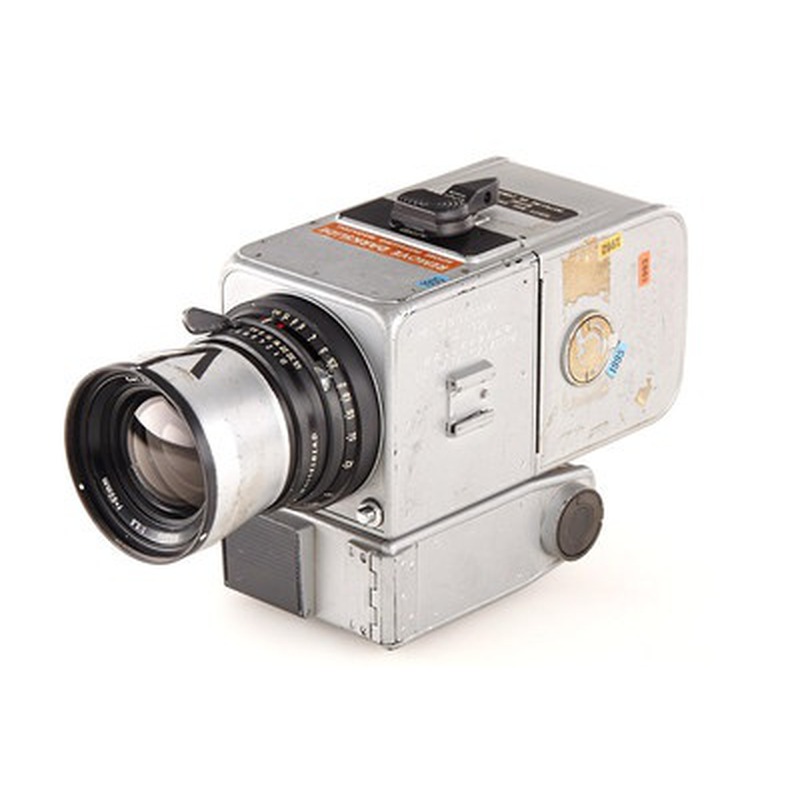
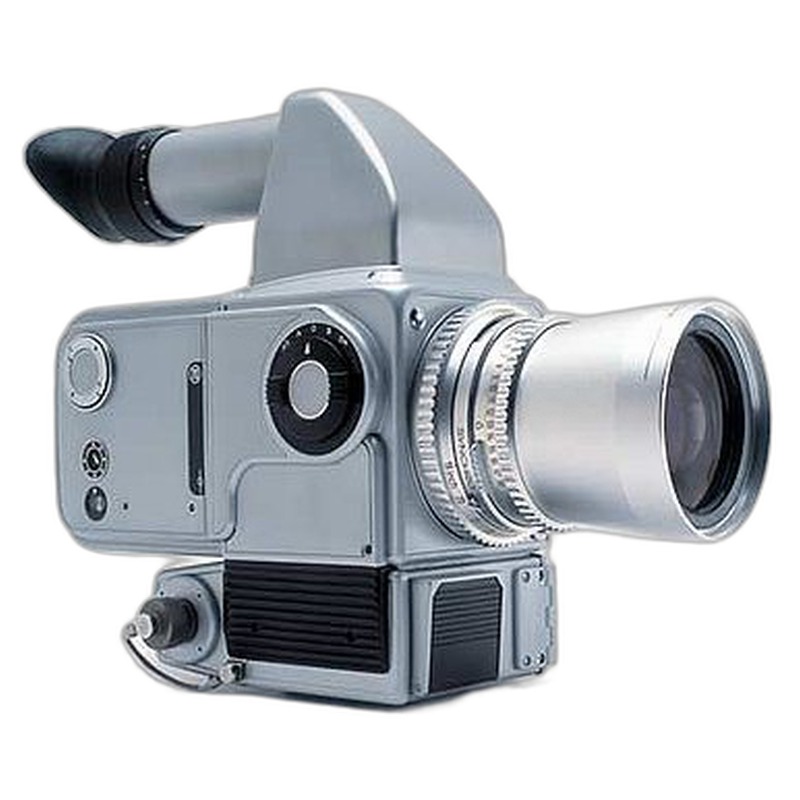
Hasselblad Super Wide C 'Space Camera' (Lunar Surface)
Hasselblad · Sweden · 1968 · 120 film
Introduced in 1968, the Hasselblad Super Wide C 'Space Camera' (Lunar Surface) represents a specialized variant of the iconic Swedish medium format system, adapted for the unique and demanding environment of lunar exploration during the Apollo missions. Building upon the modular Hasselblad 500 series foundation, this model was specifically engineered by NASA and Hasselblad to capture the vast, unobstructed landscapes of the Moon. Its most defining characteristic is the inclusion of a Biogon 38mm f/4.5 lens, providing an exceptionally wide-angle view crucial for panoramic lunar surface photography. The camera body underwent significant modifications, including the removal of the reflex mirror and prism finder to minimize weight and potential failure points, replacing them with a simple waist-level finder. The entire assembly was typically mounted within a protective, easy-to-manipulate bracket with large trigger buttons and handles compatible with the bulky lunar gloves worn by astronauts. These modifications, pioneered for earlier Hasselblad space cameras like the Hasselblad Electric Camera (HEC) used on Apollo 8, demonstrated a collaborative engineering effort between NASA and Hasselblad to solve unprecedented photographic challenges in space, ensuring reliability under extreme conditions.
The Super Wide C 'Space Camera' (Lunar Surface) played a vital role in documenting humanity's first steps on another celestial body. It was employed during the later Apollo missions (starting likely with Apollo 11 or Apollo 12) specifically for capturing wide-angle shots of the lunar surface, landing sites, and geological features, providing invaluable scientific data and the iconic images that defined the public perception of lunar exploration. Its use on the Moon cemented Hasselblad's legacy as the camera of choice for space photography, showcasing the medium format system's unique combination of image quality, adaptability, and robustness. The successful operation of these modified Hasselblads under the harsh conditions of the lunar surface, with dust, temperature extremes, and vacuum, stands as a testament to meticulous engineering and design, further cementing its place in photographic and aerospace history.
Specifications
| Film Format | 120 |
/main.jpg)
/main.jpg)
_'Lunar_Surface'/main.jpg)
/main.jpg)
 Enjoy this museum? Support on Ko-fi