/main.jpg)
Pricing
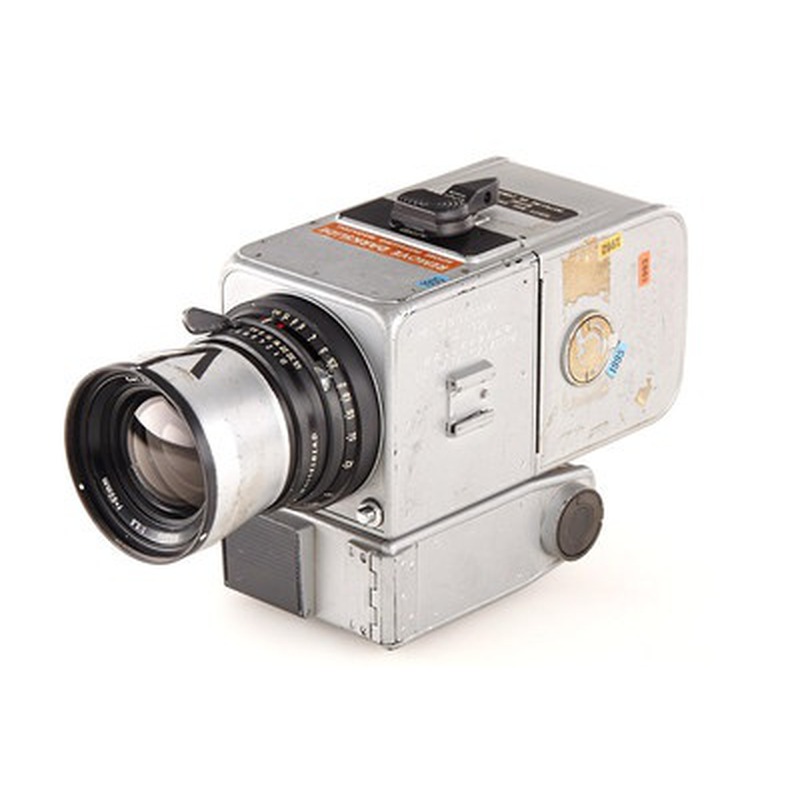
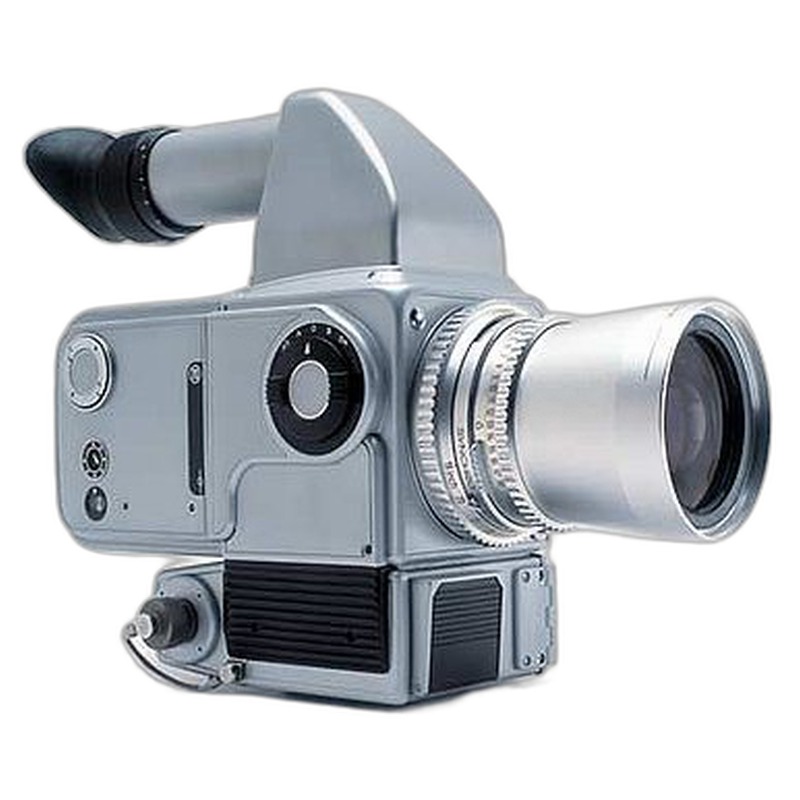
Hasselblad 500 EL Data Space Camera (NASA)
Hasselblad · Sweden · 1969 · 120 film
The Hasselblad 500 EL Data Space Camera introduced in 1969 is an iconic instrument inextricably linked to the pinnacle of human achievement, the Apollo lunar landings. Building upon the proven 500 C model, the "EL" designation incorporated an integrated motor drive, enabling automatic film advancement critical for the gloved hands of astronauts during spacewalks and zero-gravity operations. Its medium format (120) 6x6 cm negative size delivered unparalleled image quality for scientific documentation and iconic public imagery captured on the lunar surface. Crucially, the "Data Space" aspect refers to the Data Back accessory, which allowed astronauts to sequentially number each exposure frame using a rotating dial, essential for correlating photographs with mission timelines and specific lunar sites. Hasselblad collaborated extensively with NASA to modify the camera: its leatherette covering was removed to prevent outgassing in the vacuum of space, the mirror was locked up to prevent vibration during exposure, and special film magazines were used. This camera, flown on missions like Apollo 11, 12, and 14 (among others), became the primary still photographic tool, immortalizing Neil Armstrong's first steps and countless other pivotal moments with breathtaking clarity, fundamentally shaping our visual understanding of space exploration.
The 500 EL Data Space Camera represented a significant engineering feat adapted for extreme environments. Its robust, all-metal construction and precision Swedish engineering ensured reliability in the face of temperature extremes, radiation, and the unique challenges of microgravity. The motor drive (up to 1 frame per second) and reliable leaf shutter (synced with flash units used in lunar orbit) were key innovations for space photography, offering convenience and speed impossible with manual winding. While the core 500 EL platform was advanced, its true historical weight stems from its unparalleled role in the Apollo program. It was not merely a camera but a vital scientific instrument and cultural documentarian, captured images that captivated the globe and provided irreplaceable geological and geographical data. Its legacy extends beyond its mission success, cementing Hasselblad's reputation for excellence and forever altering the aesthetic and technical standards for space photography.
Specifications
| Film Format | 120 |

/main.jpg)
/main.jpg)
/main.jpg)
 Enjoy this museum? Support on Ko-fi