Pricing
Agfa Opal
Agfa · Germany · 1925–1926 (1 years) · 135 film
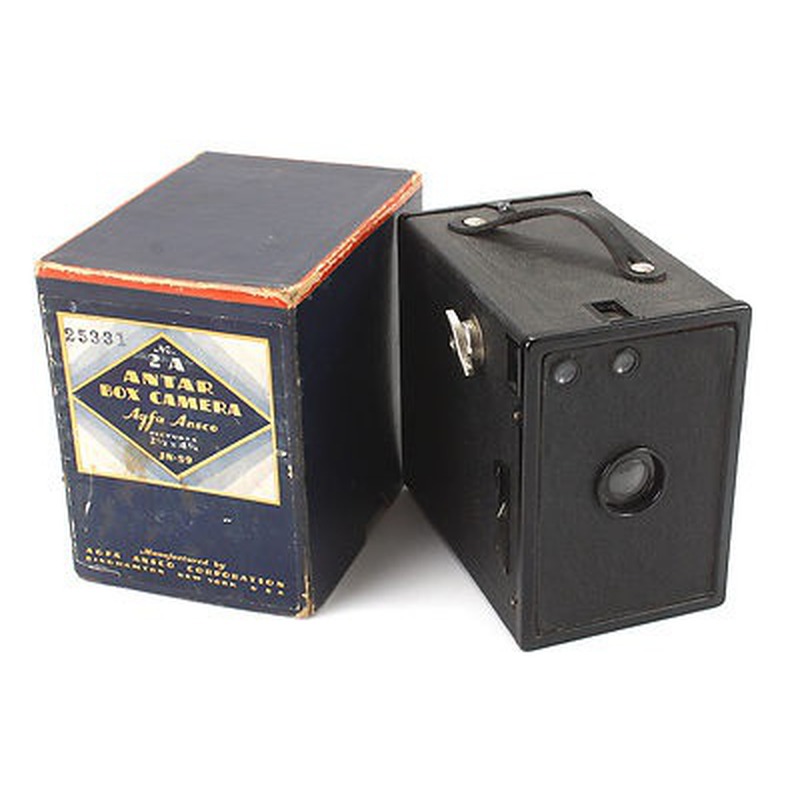
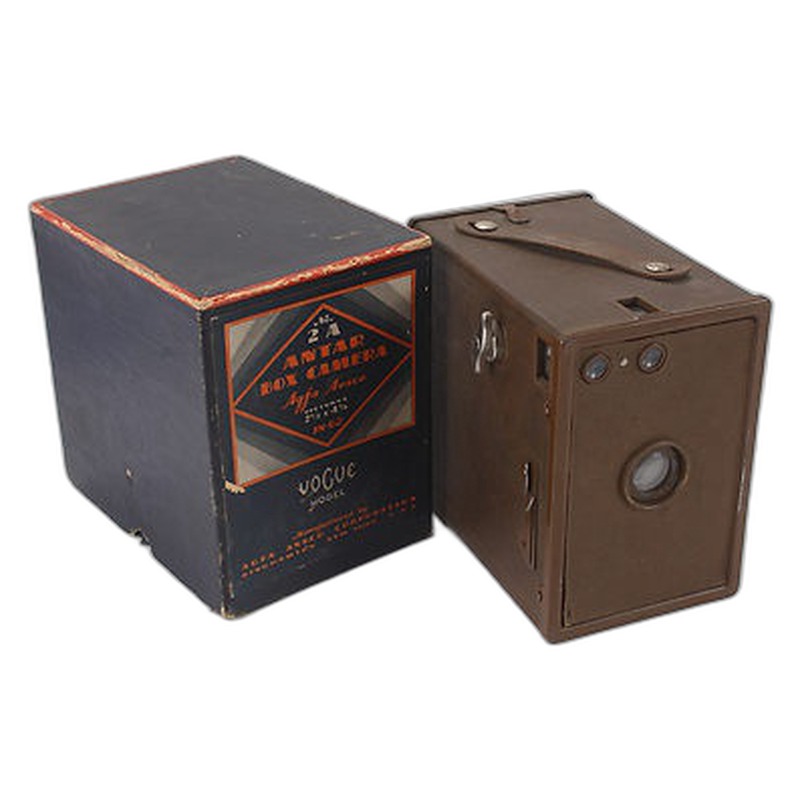
The Agfa Opal represents a modest entry into the emerging 35mm photographic market during a period dominated by larger formats. Produced between 1925 and 1926, it was one of Agfa's earliest attempts to cater to amateur photographers seeking a smaller, more portable camera than traditional roll film models. Characterized by its simple, box-like construction, the Opal utilized the then-novel 135 film cassette, offering convenience and a compact form factor. It likely featured basic fixed-focus optics and simple shutter speeds, emphasizing ease of use over technical sophistication. Its release coincided with the dawn of practical 35mm photography, but the Opal did not introduce any groundbreaking innovations; instead, it functioned as an affordable, utilitarian tool for capturing snapshots, reflecting Agfa's strategy to tap into the growing demand for smaller cameras.
Primarily aimed at the budget-conscious consumer market, the Opal embodied the accessibility drive of the mid-1920s. Its design prioritized affordability and simplicity over premium materials or advanced features, utilizing construction methods suitable for its intended audience. While it represents an early milestone for Agfa in the 35mm format, its historical footprint is minor compared to contemporaries like the Leica Ur-Leica. The Opal served adequately for its purpose as a basic snapshot camera but was not distinguished by significant technological leaps, iconic design, or widespread cultural impact, securing its place as a rather ordinary, albeit historically representative, example of early 35mm amateur cameras.
Specifications
| Film Format | 135 |
/main.jpg)
/main.jpg)
/main.jpg)
_Luxus/main.jpg)
 Enjoy this museum? Support on Ko-fi