/main.jpg)
Pricing
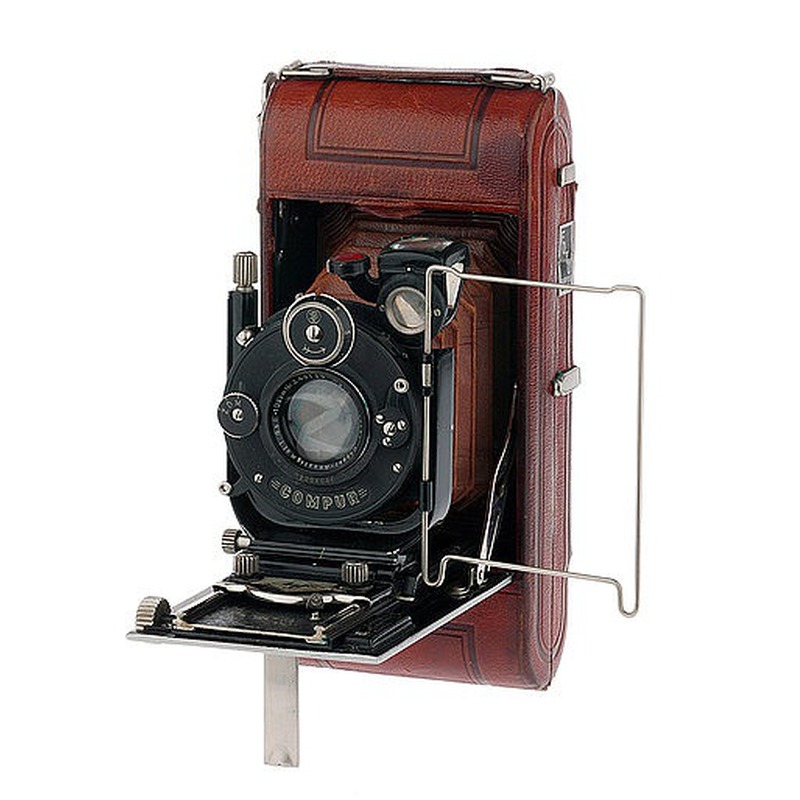
Agfa Isolar Luxus (9x12)
Agfa · Germany · 1926–1930 (4 years) · 135 film
The Agfa Isolar Luxus (9x12) represents an early German contribution to the burgeoning 35mm photography market in the late 1920s. Produced from 1926 to 1930, this camera utilized the standard 135 cassette film format, marking Agfa's entry into the small-format arena alongside competitors like Leica. While specific details of its design are obscure today, the "Luxus" designation indicates it was positioned as a premium model, likely featuring robust construction and high-quality optics characteristic of Agfa's engineering reputation. Its 9x12 cm format specification might refer to the nominal size of the exposed image area on the 35mm film, effectively producing a half-frame or similar negative size, differentiating it from full-frame 35mm cameras emerging at the time. As an early adopter and luxury offering, the Isolar Luxus played a role in establishing the viability and desirability of smaller, more portable cameras compared to the cumbersome large formats dominant previously. However, it remains less documented and historically overshadowed by more famous contemporaries.
As a product of Agfa's technical prowess during the Weimar era, the Isolar Luxus likely featured meticulous German manufacturing, potentially utilizing metal components and precision mechanics suitable for a luxury item. Its existence highlights the competitive landscape and rapid innovation driving early 35mm photography, even if it didn't achieve the iconic status of some rivals. Primarily aimed at discerning photographers valuing portability without sacrificing quality, it represents a specific chapter in the transition towards modern small-format cameras. Its historical significance lies in being part of this foundational period rather than in introducing a singular groundbreaking innovation.
Specifications
| Film Format | 135 |
/main.jpg)
/main.jpg)
_Luxus/main.jpg)
 Enjoy this museum? Support on Ko-fi