/main.jpg)
Pricing
Agfa Karat 12 (2.8)
Agfa · Germany · 1947–1950 (3 years) · 135 film
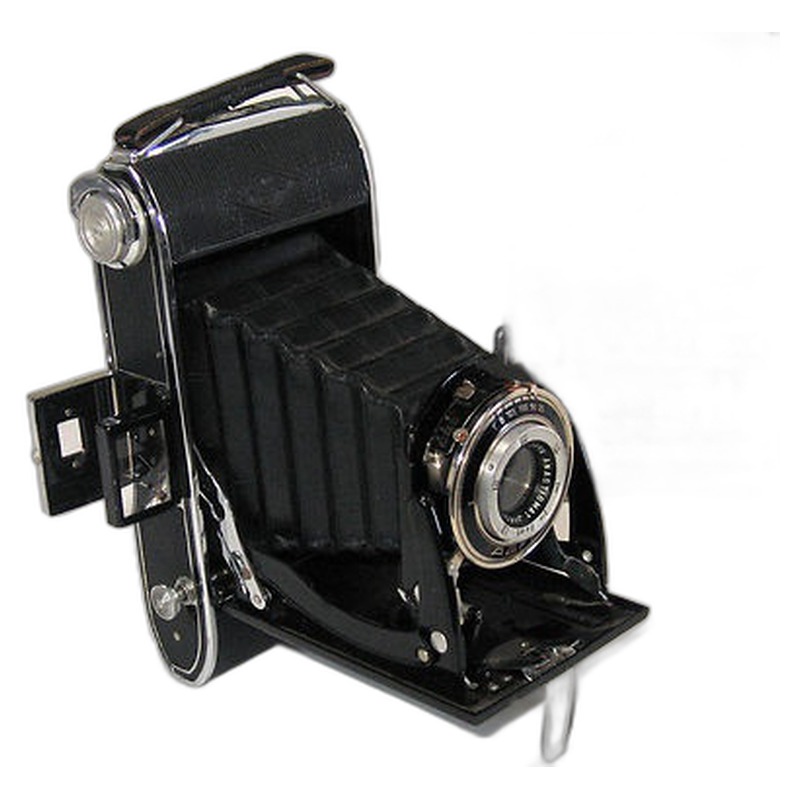
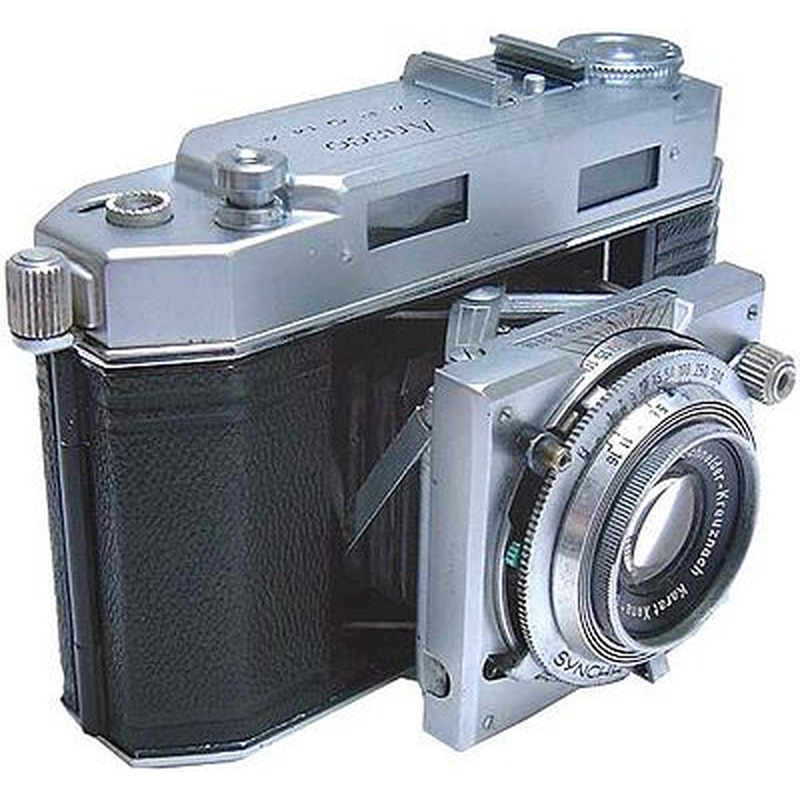
The Agfa Karat 12 (2.8) represents a significant model in Agfa's post-World War II camera lineup, occupying a middle position between the company's simpler Karat models and their more sophisticated Iskra and Optima series. This rangefinder camera was built around 1947-1950, a period when German camera manufacturers were rebuilding and reestablishing their presence in the international market. The camera features a 50mm f/2.8 lens, which made it a faster option than some of Agfa's entry-level models, though not as advanced as the premium offerings from competitors like Leica or Contax. The Karat 12 (2.8) utilized the 135 film format that was gaining widespread acceptance at the time, targeting the serious amateur photographer looking for quality without the expense of top-tier equipment. Its design incorporated characteristic Agfa styling with functional controls that prioritized ease of use over cutting-edge features, reflecting a pragmatic approach to camera manufacturing during a challenging economic period.
As a product of its time and company, the Karat 12 (2.8) exemplifies the transitional phase in 35mm photography when cameras were becoming more accessible to the growing middle class. The camera's build quality was solid for its price range, featuring metal construction and reliable mechanical operation typical of German engineering of the era. While it didn't introduce any revolutionary technological advancements, it represented Agfa's commitment to producing quality equipment for the expanding 35mm market. The Karat line, including the 12 (2.8) model, helped establish Agfa's presence in the American market through distribution agreements with companies like Ansco, contributing to the company's recovery after the devastation of the war.
Specifications
| Film Format | 135 |
/main.jpg)
/main.jpg)
/main.jpg)
/main.jpg)
 Enjoy this museum? Support on Ko-fi