/main.jpg)
Pricing
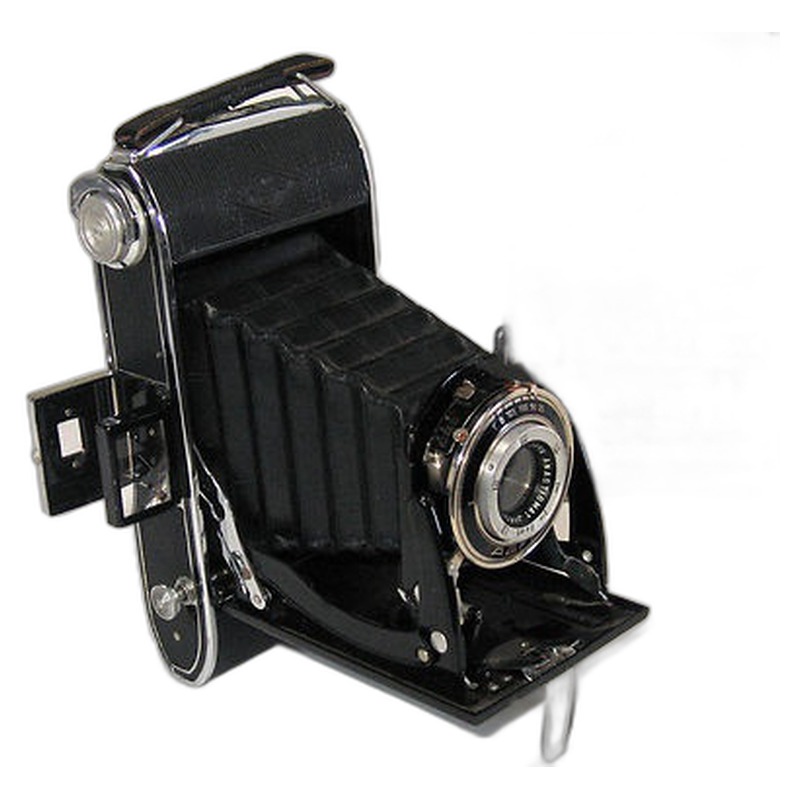
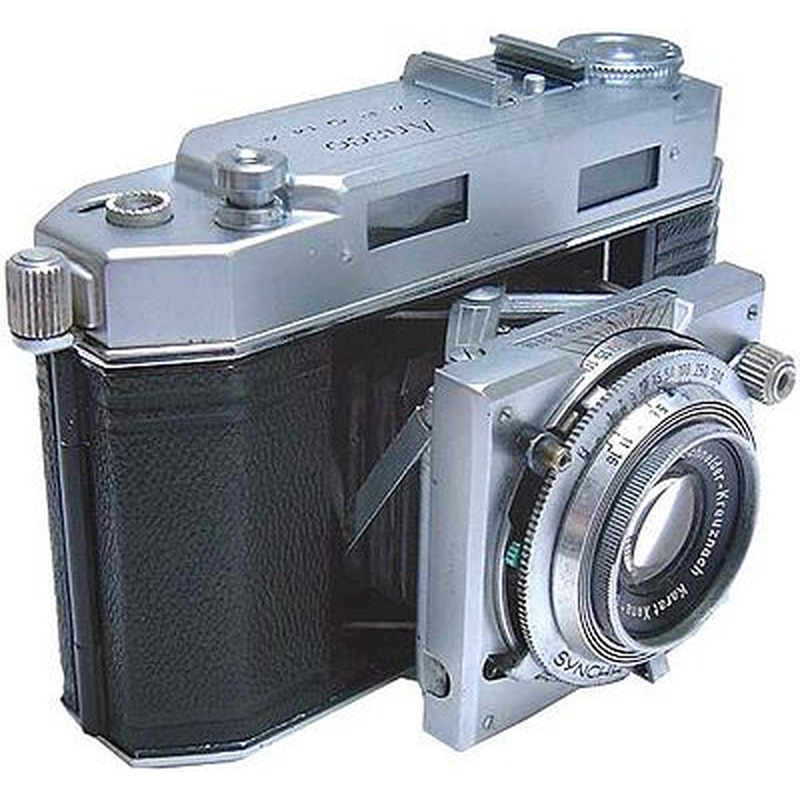
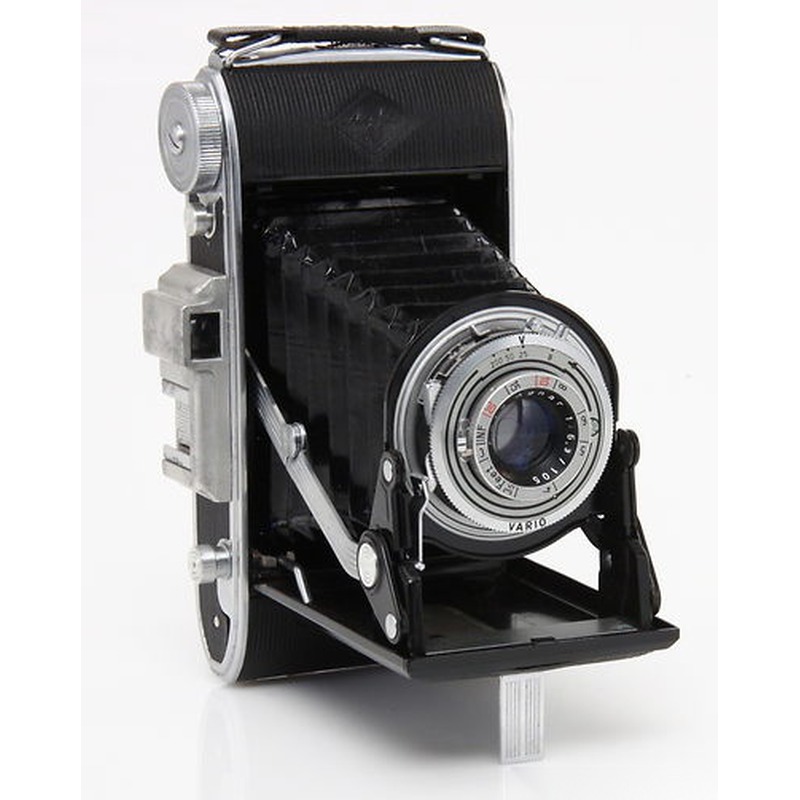
Agfa Karat 36 (1948)
Agfa · Germany · 1948–1952 (4 years) · 135 film
The Karat 36 (1948) was a compact 35mm camera produced by Agfa during the immediate post-war years, spanning 1948 to 1952. Representing Agfa's mid-range offering for enthusiasts, it featured a simplified design typical of its era, utilizing the standard 135 film cassette. Its construction focused on practicality and reliability, employing a die-cast body and leatherette covering, consistent with Agfa's quality standards for this segment. The camera offered a straightforward shooting experience with a basic shutter speed range and a coupled rangefinder for focusing, catering to photographers seeking a more affordable yet competent alternative to higher-end models like the contemporary Leicas.
While not a groundbreaking innovation, the Karat 36 served its purpose effectively within Agfa's lineup, providing a durable and user-friendly entry into 35mm photography during a period when the format was rapidly gaining popularity. Its design and construction reflected the era's emphasis on functionality and accessibility, making it a sensible choice for amateur photographers and those transitioning from larger formats. Its modest specifications and unpretentious build quality defined it as a solid workhorse rather than a technological marvel, typical of many mid-20th-century cameras aiming for broad market appeal rather than niche prestige.
Specifications
| Film Format | 135 |
/main.jpg)
/main.jpg)
/main.jpg)
 Enjoy this museum? Support on Ko-fi