Pricing
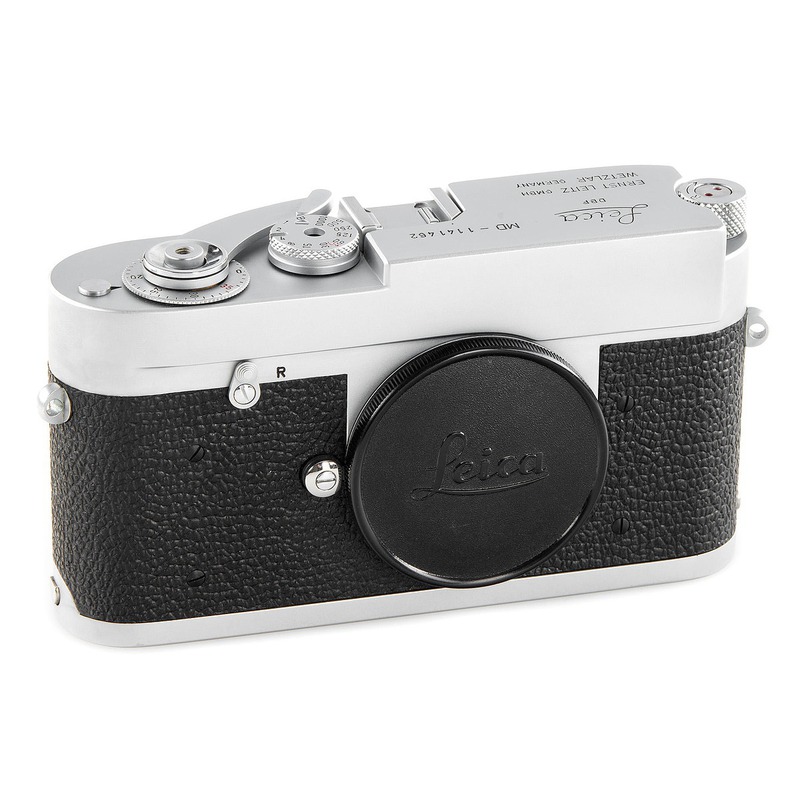
Leica MD
Leica · Germany · 1965–1966 (1 years) · 135 film
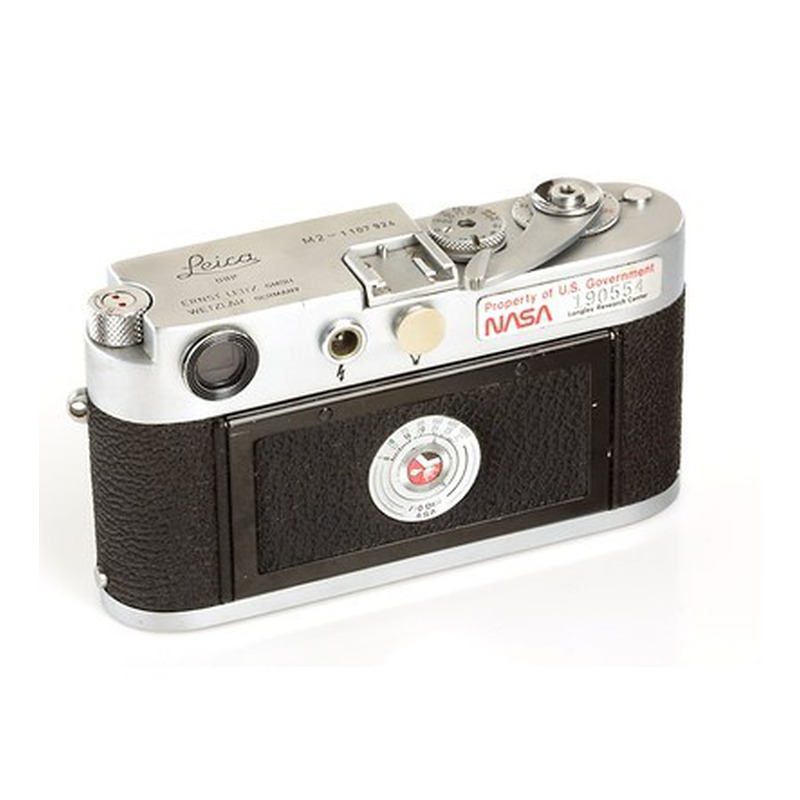
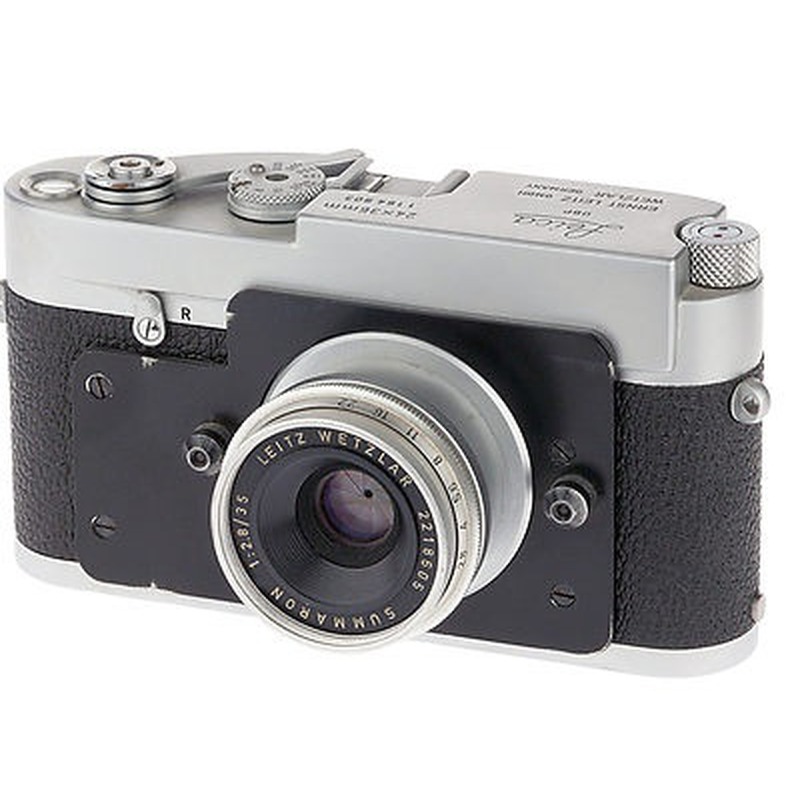
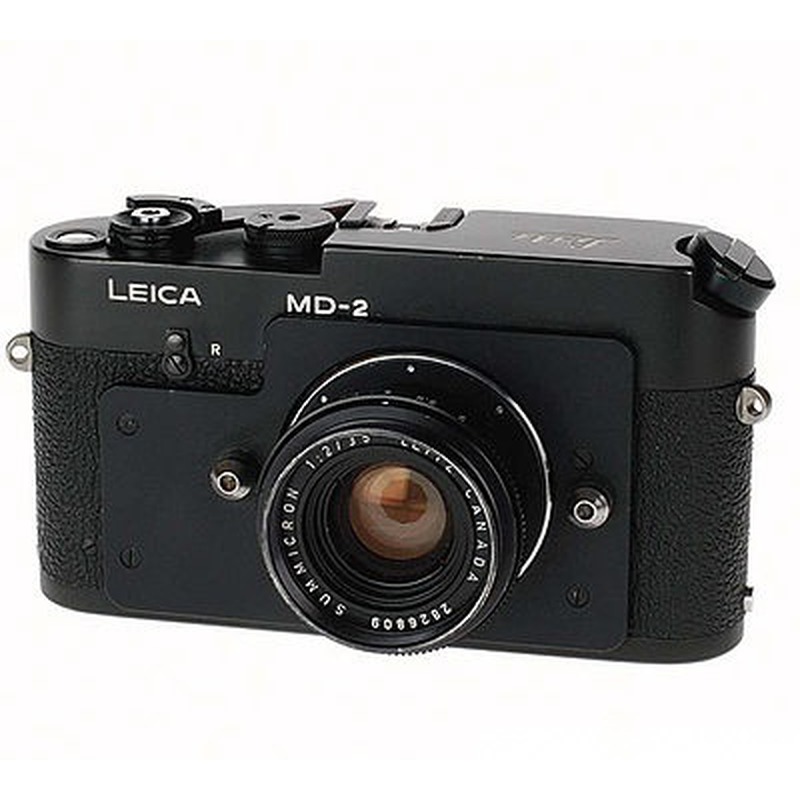
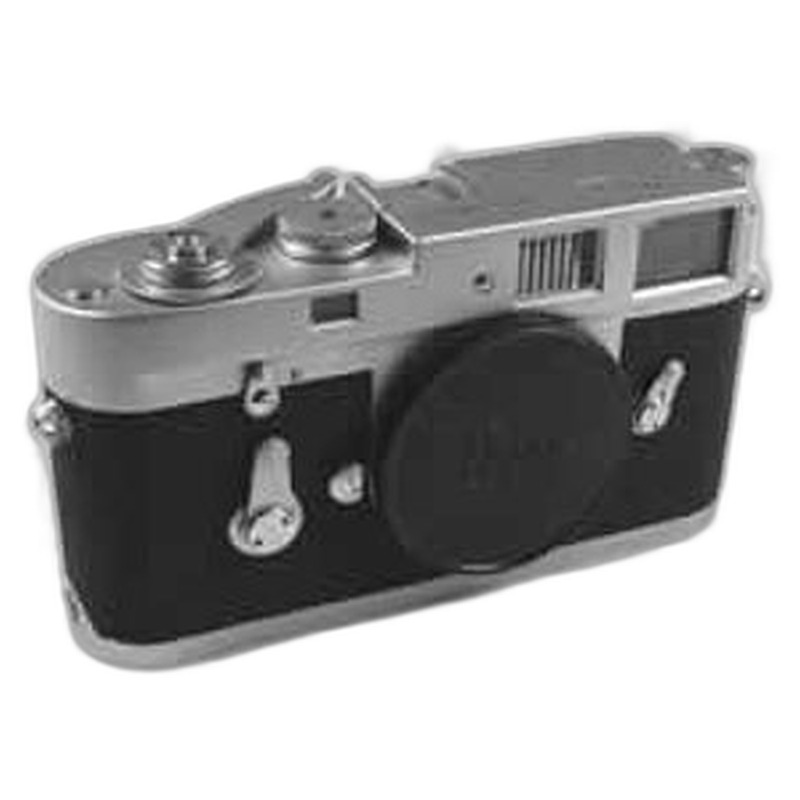
The Leica MD, produced briefly from 1965 to 1966, represents a significant departure from Leica's mainstream rangefinder models. Designed specifically for applications where a precise rangefinder was unnecessary, it essentially stripped the iconic Leica M3 chassis down to its core essentials. The most notable omission was the coupled rangefinder system, replaced with a simple, fixed-focus sports viewfinder. This simplicity, however, was not a cost-cutting measure but a deliberate engineering choice. The MD retained the M3's robust all-metal construction, reliable cloth focal plane shutter, and crucially, the M-bayonet lens mount, ensuring compatibility with the extensive Leica M lens system. Its primary target market was not the general photographer, but specialized fields such as photoreconnaissance, medical photography (particularly through microscopes using adaptors), and industrial documentation, where the camera's compact size, quiet operation, and superb lens quality were paramount, but precise focusing was achieved by other means (e.g., fixed distance, scale focusing, or auxiliary optics).
Manufactured for only about 18 months, the MD was a highly specialized tool rather than a general-purpose camera. Its production run was inherently limited by its niche application, making it relatively uncommon compared to its siblings like the M3 or M2. While it lacked the sophisticated features that defined the main Leica M series, the MD embodied Leica's commitment to precision engineering and build quality, albeit in a more utilitarian form. It served as a testament to Leica's willingness to adapt its proven camera platform for very specific professional needs beyond the realm of traditional street or reportage photography.
Specifications
| Film Format | 135 |
/main.jpg)
/main.jpg)
 Enjoy this museum? Support on Ko-fi