/main.jpg)
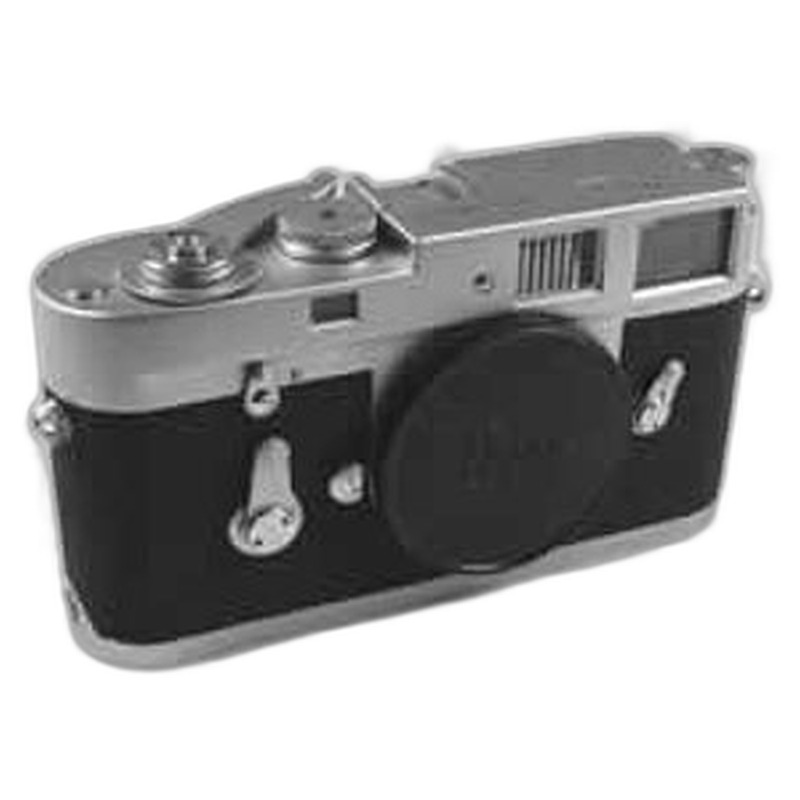
Leicaflex Prototype (removable finder)
Leica · Germany · 1965 · 135 film
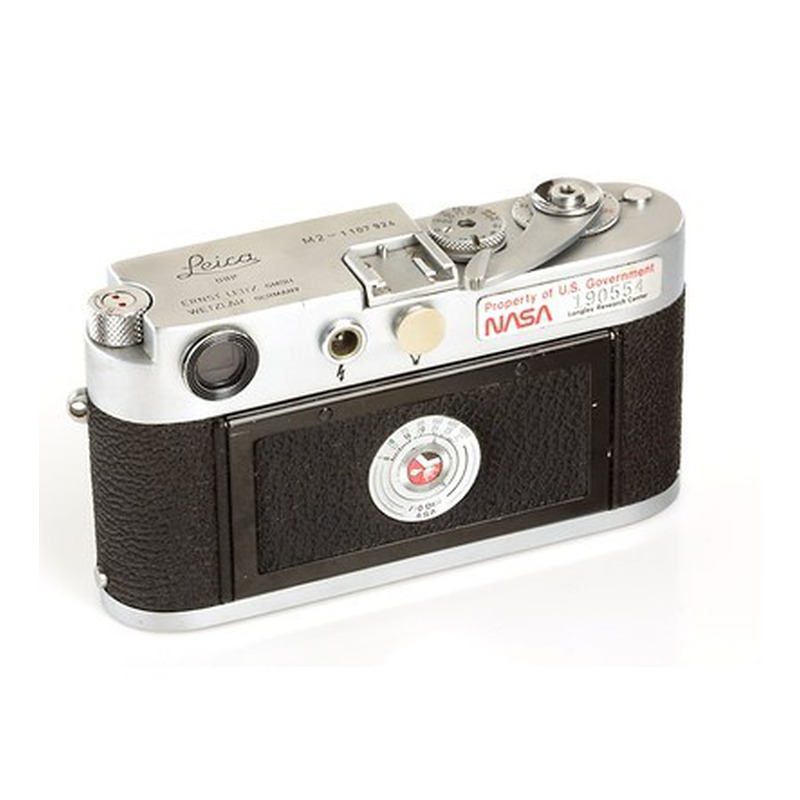
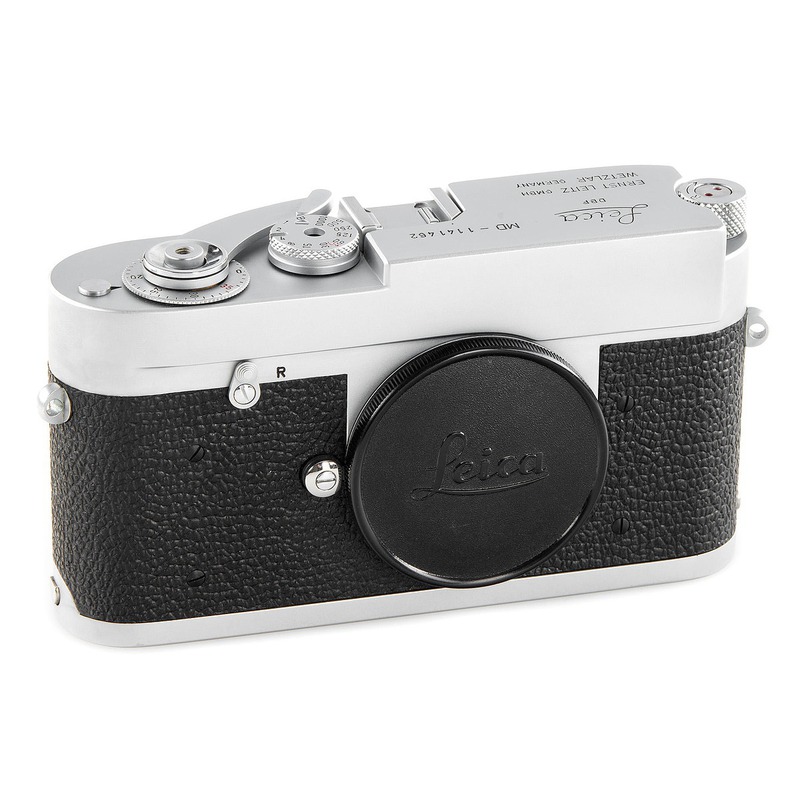
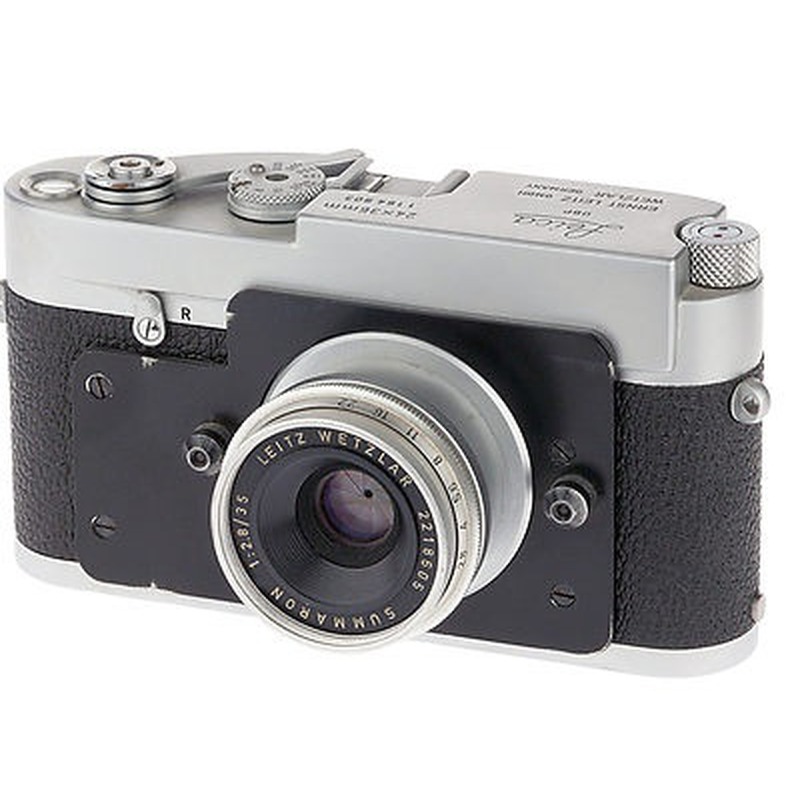
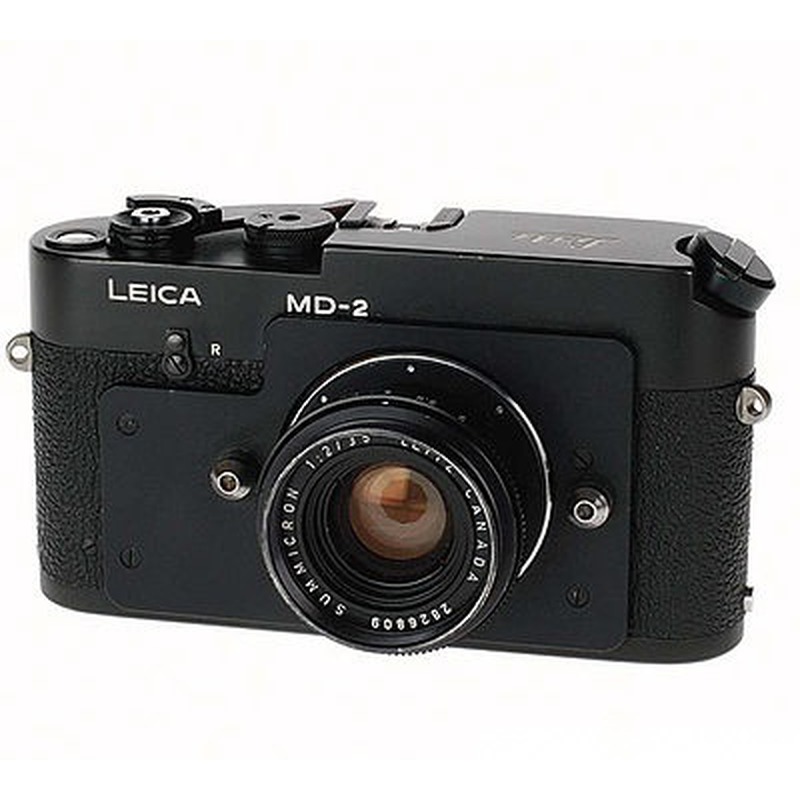
The Leicaflex Prototype (removable finder) represents a crucial experimental stage in Leica's development of its first single-lens reflex (SLR) camera. Introduced in 1965 as a direct precursor to the production Leicaflex models launched the following year, this prototype showcases Leica's initial foray into the SLR market. Its defining characteristic, the removable finder, was a significant design departure from Leica's rangefinder heritage. This modular approach likely tested various viewing configurations before the fixed pentaprism viewfinder was finalized for the production camera. Constructed with Leica's characteristic precision and quality materials typical of prototypes, it embodies the engineering rigor and functional aesthetic central to the Leica brand during this pivotal transition period. While never intended for widespread sale, it stands as a tangible link between Leica's established rangefinder dominance and its future in the SLR realm.
As a prototype, its significance lies primarily in its role within Leica's internal development process. The removable finder was a practical solution during testing, allowing engineers and photographers to evaluate different optical systems and ergonomic layouts before committing to a production design. This camera demonstrates Leica's methodical approach to innovation, prioritizing build quality and functional reliability even in experimental stages. It served as the critical bridge that validated the viability of the Leicaflex concept, paving the way for the cameras that would redefine Leica's product line and influence the future of 35mm SLR photography.
Specifications
| Film Format | 135 |
/main.jpg)
 Enjoy this museum? Support on Ko-fi