/main.jpg)
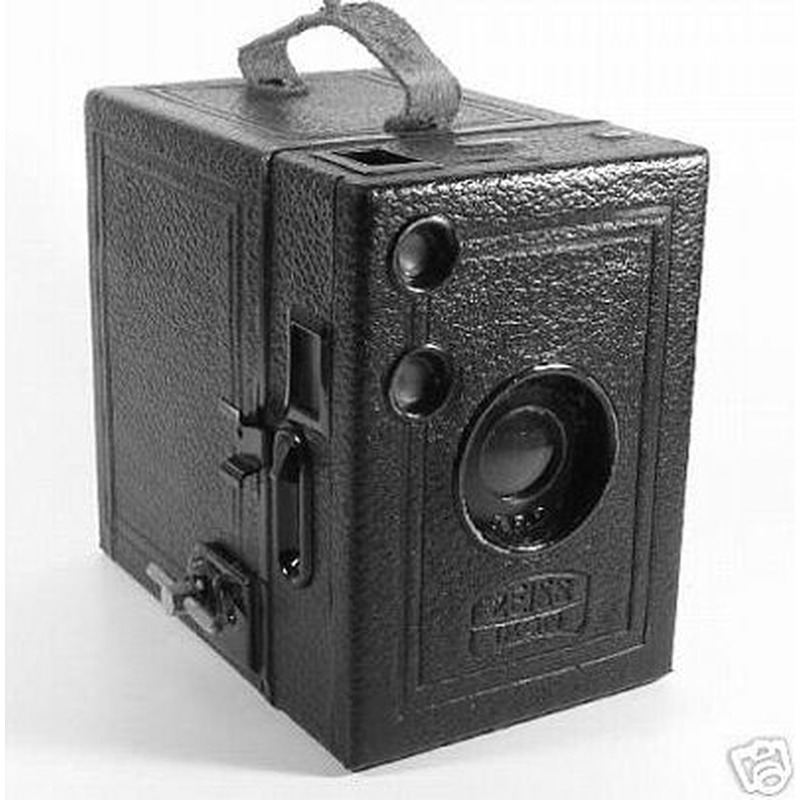
Zeiss Liliput 370 (6.5x9)
Zeiss · Germany · 1927–1928 (1 years) · 135 film
The Liliput 370 (6.5x9) represents an early, compact iteration of Zeiss's venture into the burgeoning 35mm film format during the late 1920s. Produced for only a brief period between 1927 and 1928, it utilized the 135 film cartridge, positioning it as a relatively small and portable camera for its era compared to larger plate or roll-film cameras. While specific details about its exact type (likely a viewfinder camera) and features are less documented, its core design focused on practicality and handling the smaller format efficiently. Zeiss's involvement ensures a level of mechanical precision and quality construction typical of the brand during that period, aimed at photographers seeking a modern, compact solution.
This camera emerged amidst a pivotal time when 35mm photography was transitioning from experimental to more mainstream use. The Liliput 370 contributed to this shift by offering a Zeiss-engineered option for the format, though its short production run suggests it may have been a niche or transitional model rather than a mainstream success. Its significance lies primarily in being a tangible example of Zeiss's early commitment to the 35mm format and its role in the evolving landscape of portable photographic equipment during that specific historical window. Its name and the 6.5x9 designation (potentially referring to the negative size or aspect ratio) hint at its specific place within Zeiss's product hierarchy at the time.
Specifications
| Film Format | 135 |
/main.jpg)
/main.jpg)
/main.jpg)
/main.jpg)
 Enjoy this museum? Support on Ko-fi