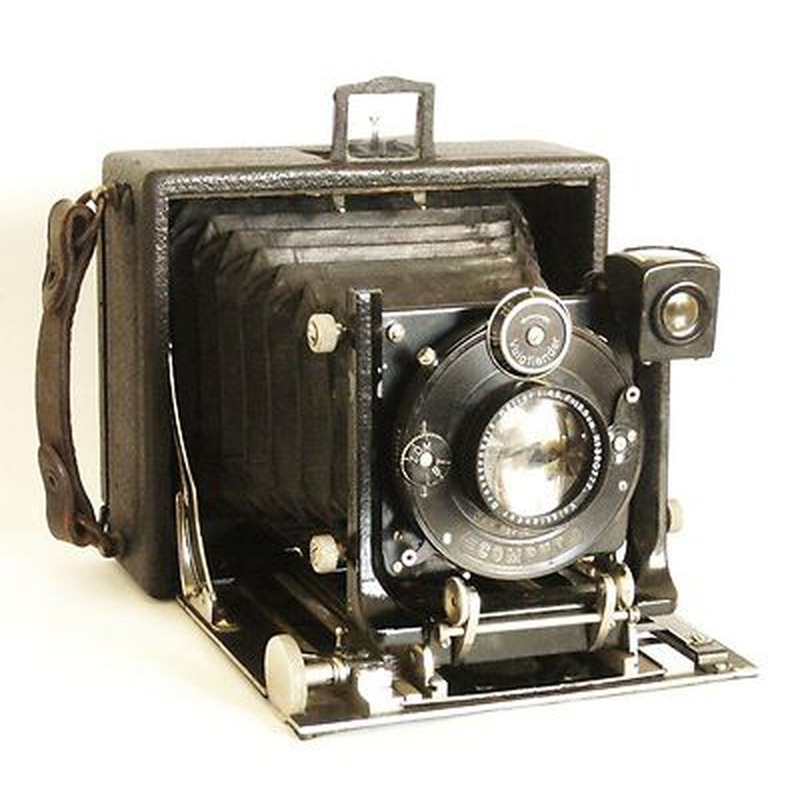
Konica Neat Lily
Konica · Japan · 1923–1927 (4 years) · 135 film
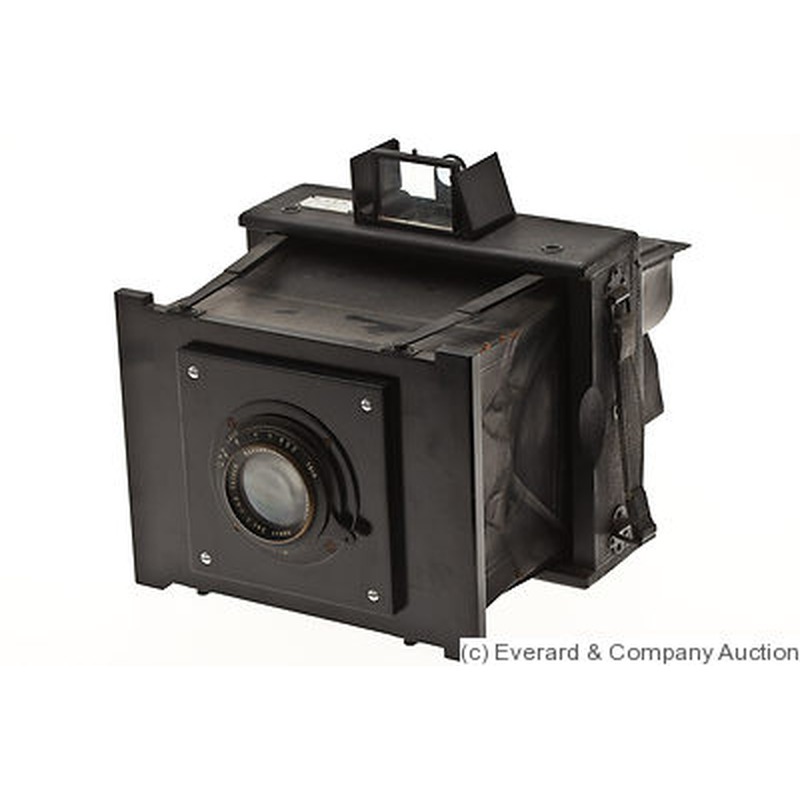
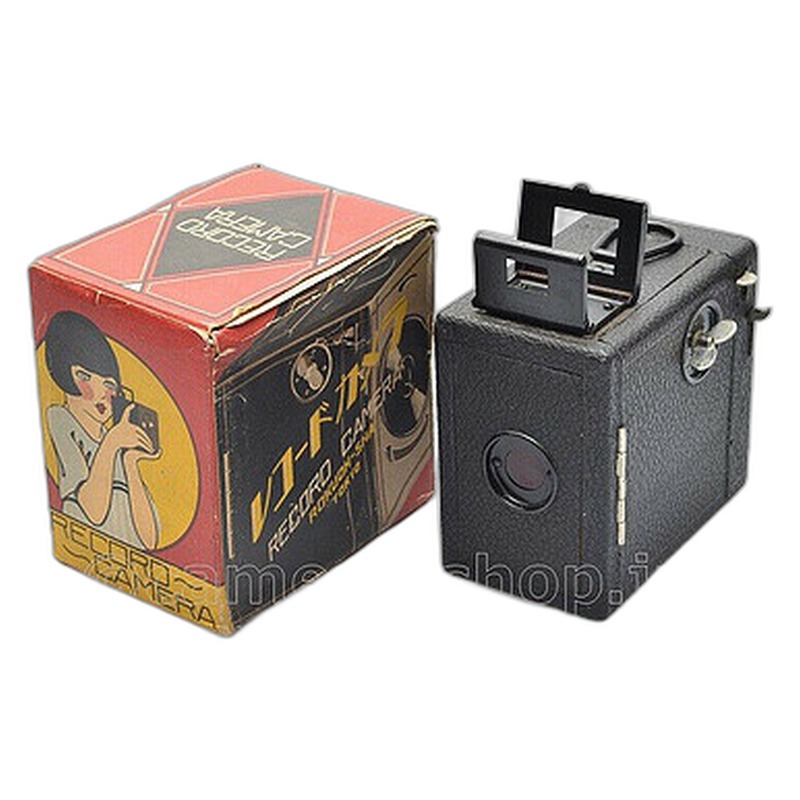
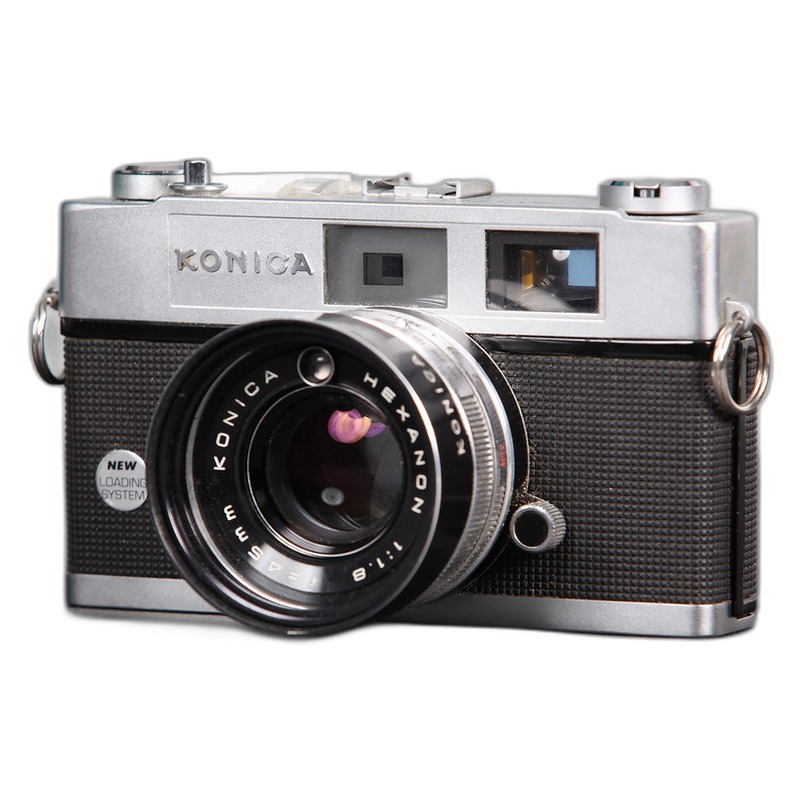
The Neat Lily represents Konica's early entry into the burgeoning 35mm photography market during the mid-1920s, a period when this format was just beginning to gain traction among enthusiasts and professionals. Produced between 1923 and 1927, the camera likely shared design principles with contemporary European models but with Japanese manufacturing sensibilities. The use of the 135 format indicates it employed standard 35mm perforated film in cassettes, anticipating the format that would eventually dominate photography. This timing places the Neat Lily in direct competition with early Leica models and other pioneering 35mm cameras, making it an important piece in the history of Japanese camera manufacturing and the evolution of portable photography. While it may not have achieved the international recognition of some European counterparts, the Neat Lily demonstrates Konica's commitment to innovation during formative years that would establish the company as a significant player in the camera industry for decades to come.
As an early 35mm offering, the Neat Lily would have featured a simple but functional design typical of cameras from that era. It likely incorporated basic controls for shutter speed and aperture, along with a rangefinder or direct vision viewfinder system. The construction would have utilized metal components with leather or synthetic covering, reflecting the practical approaches of 1920s camera design. While specific details about its optical system or shutter mechanism are unavailable from the given information, its production period alone situates it as a witness to photography's transition from bulky plate and roll film formats to the compact 35mm standard that revolutionized the medium.
Specifications
| Film Format | 135 |
 Enjoy this museum? Support on Ko-fi