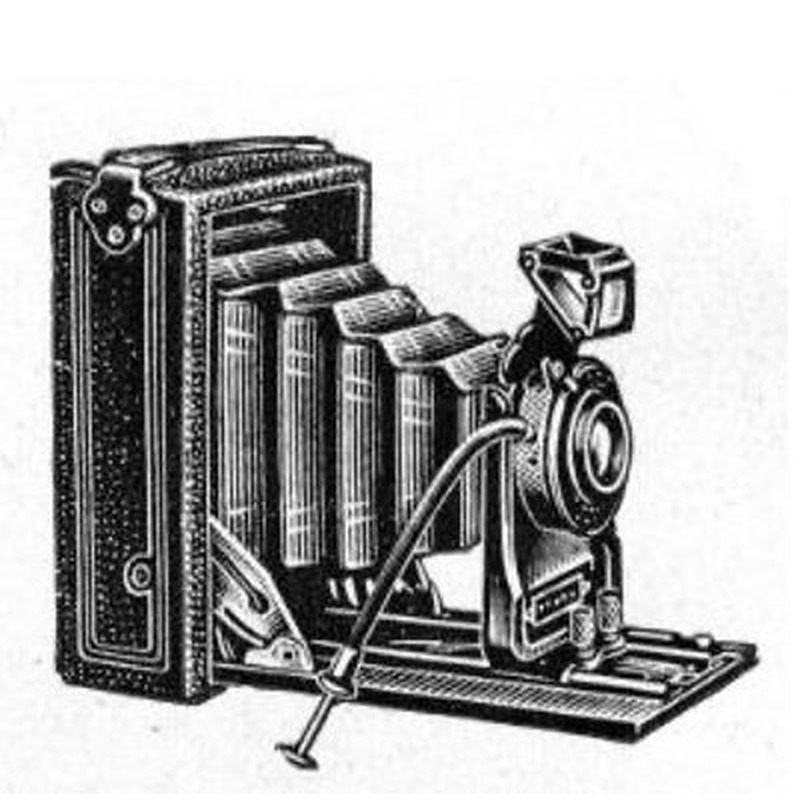
Konica Idea No.1
Konica · Japan · 1923–1928 (5 years) · 135 film
The Konica Idea No.1 holds a significant place as the company's pioneering venture into the 35mm film format, introduced in 1923 and produced continuously until 1928. Representing Konica's early commitment to compact photography, it embodied a shift towards smaller cameras using the then-emerging 35mm cine film (later standardized as 135 format). While likely a simple, viewfinder-based design typical of the era, its core importance lies in establishing Konica's foothold in the burgeoning 35mm market. It contributed to the popularization of this format beyond its initial cinema origins, offering photographers a more portable alternative to larger plate or roll-film cameras. Its production period spanning half a decade indicates a solid, if unspectacular, model that served its purpose effectively during a transformative time in camera development.
Beyond its role as Konica's first 35mm camera, the Idea No.1 lacks documented groundbreaking innovations or widespread fame compared to later legendary models. Its significance is primarily historical and contextual, marking Konica's entry into a format that would eventually dominate photography. Details about specific features like lens quality, shutter speeds, or unique design elements are scarce in the provided information, suggesting it was a functional, utilitarian machine focused on accessibility and reliability. It stands as a representative example of early Japanese 35mm engineering, predating the company's more renowned innovations and illustrating the formative years of miniature camera manufacturing.
Specifications
| Film Format | 135 |
 Enjoy this museum? Support on Ko-fi