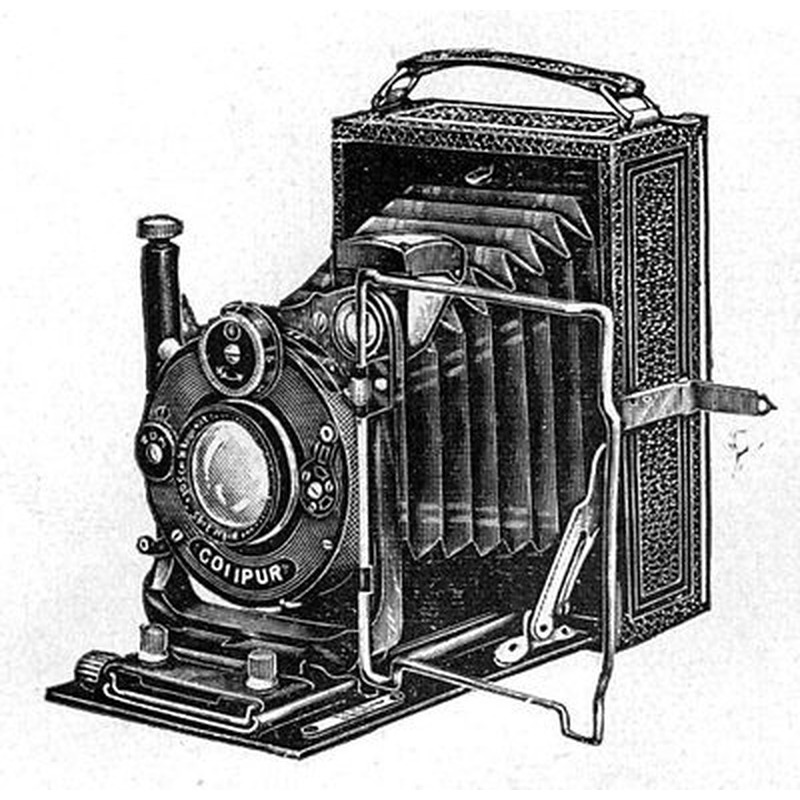
Petri Mikuni
Petri · Japan · 1926–1930 (4 years) · 135 film
The Mikuni represents an important early entry in the Japanese 35mm camera market during the formative years of small-format photography. Produced by Petri from 1926 to 1930, this camera was part of the pioneering wave that helped establish 35mm as a viable format for serious photography. While specific design details are scarce, the Mikuni's existence underscores Japan's early participation in the 35mm revolution that would eventually lead to the country's dominance in camera manufacturing. Petri, like other Japanese companies of the era, was developing its own approach to the miniature camera concept that had been popularized by European manufacturers like Leica. The Mikuni's production period places it among the very first Japanese attempts at 35mm photography, making it a noteworthy artifact of photographic technological development.
As an early 35mm offering, the Mikuni would have likely featured a simple but functional design appropriate for the era. During this period, 35mm cameras were still evolving in terms of features and user experience, so the Mikuni probably incorporated basic controls and modest specifications by later standards. The camera's significance lies more in its historical context as an early Japanese contribution to the 35mm format rather than in any particular innovative features or groundbreaking design elements. Today, surviving Mikuni cameras represent a fascinating glimpse into the early days of Japanese camera manufacturing and the modest beginnings of what would become a photographic powerhouse.
Specifications
| Film Format | 135 |
/main.jpg)
/main.jpg)
/main.jpg)
 Enjoy this museum? Support on Ko-fi