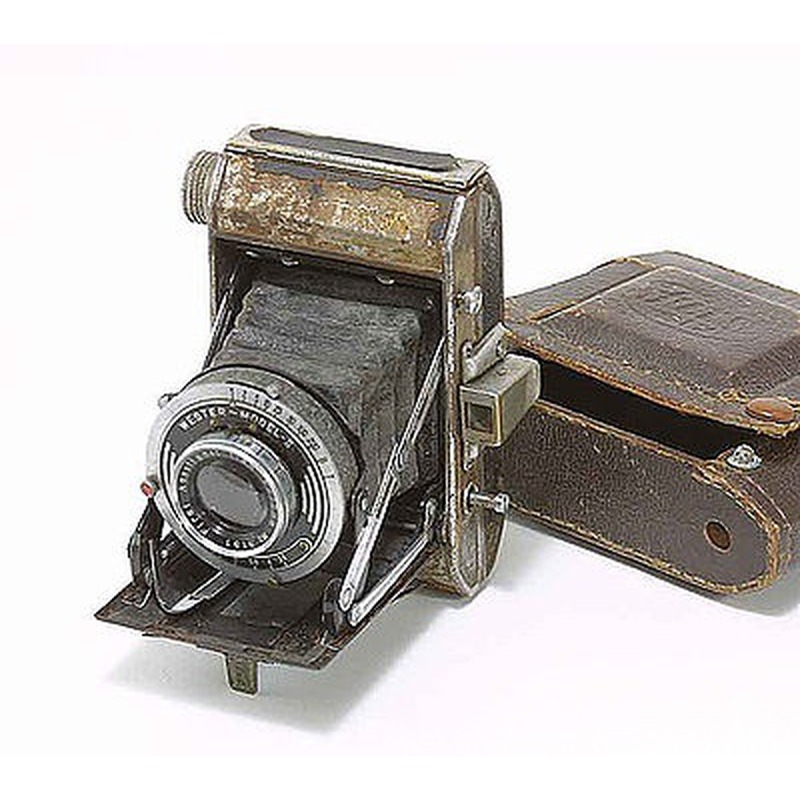
Petri First Six
Petri · Japan · 1936 · 135 film
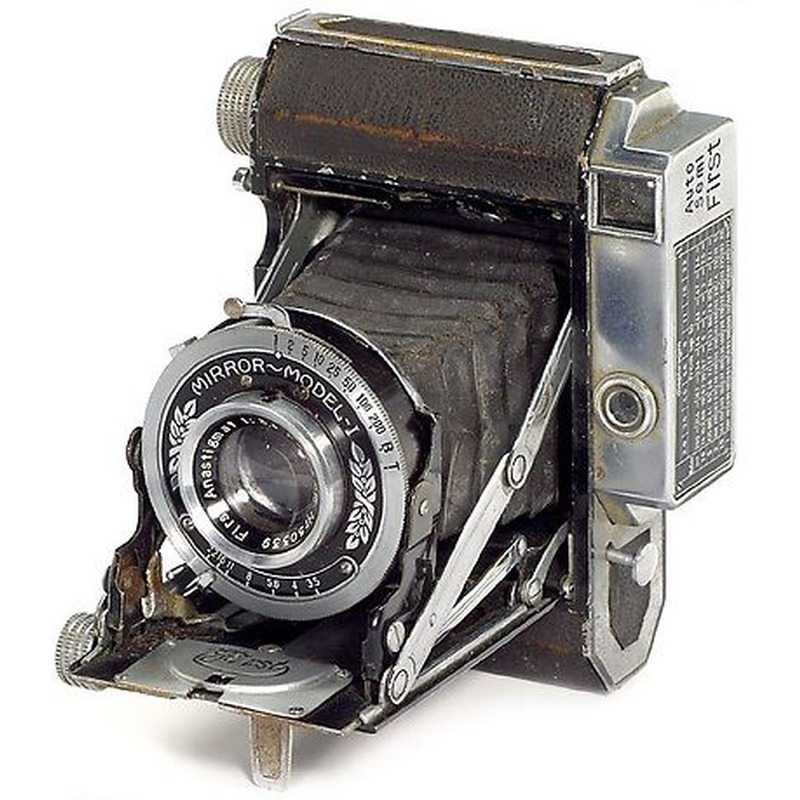
Introduced in 1936 by the Japanese manufacturer Petri (originally called Kuribayashi), the First Six represents one of the company's early ventures into the burgeoning 135 (35mm) film market. This compact camera was designed as an entry-level model, aiming to make 35mm photography more accessible to amateur photographers. It featured a simple, straightforward design typical of cameras from its era, likely equipped with a fixed or limited range lens and a basic shutter mechanism. The name "First Six" might refer to its six-exposure capabilities or other characteristic features common to simple 35mm roll-film cameras of the mid-1930s. As one of Petri's earliest attempts in this format, it holds significance as a representative example of Japanese camera manufacturing during a period of growth and innovation in the industry, preceding the dominance of later Japanese brands.
The camera exemplifies the practical, utilitarian approach characteristic of many early 35mm models before the format became truly mass-market. It prioritized functionality and affordability over advanced features or exceptional craftsmanship, serving as a reliable tool for casual photography. While not groundbreaking in terms of design or technology, the First Six contributes to the historical narrative of 35mm camera development, showcasing the efforts of manufacturers like Petri to establish a foothold in this new format during the mid-1930s. Its existence highlights the diversification of the camera market before the post-WWII boom.
Specifications
| Film Format | 135 |
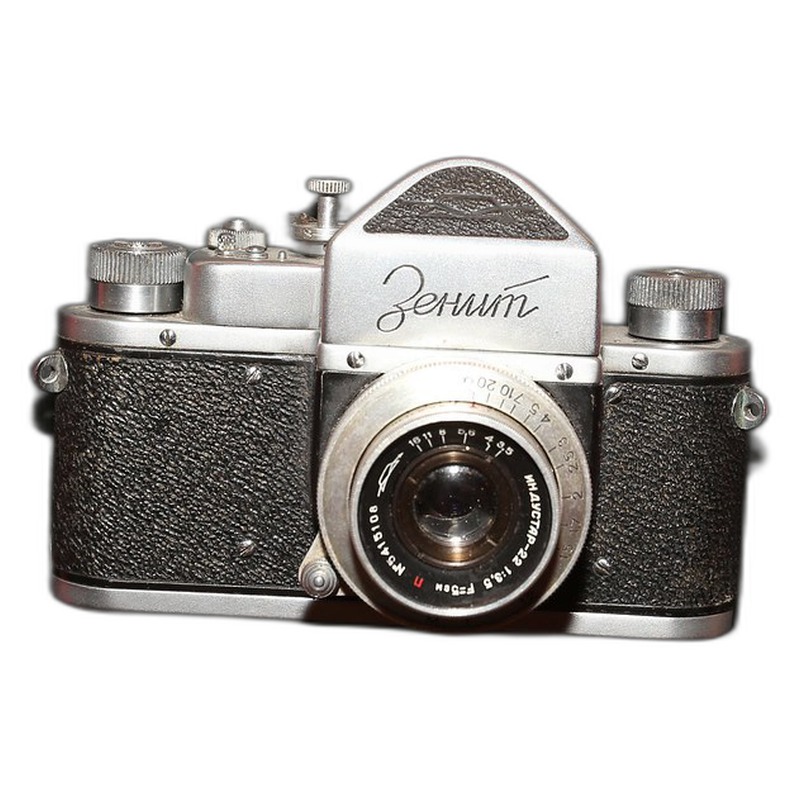
/main.jpg)
 Enjoy this museum? Support on Ko-fi