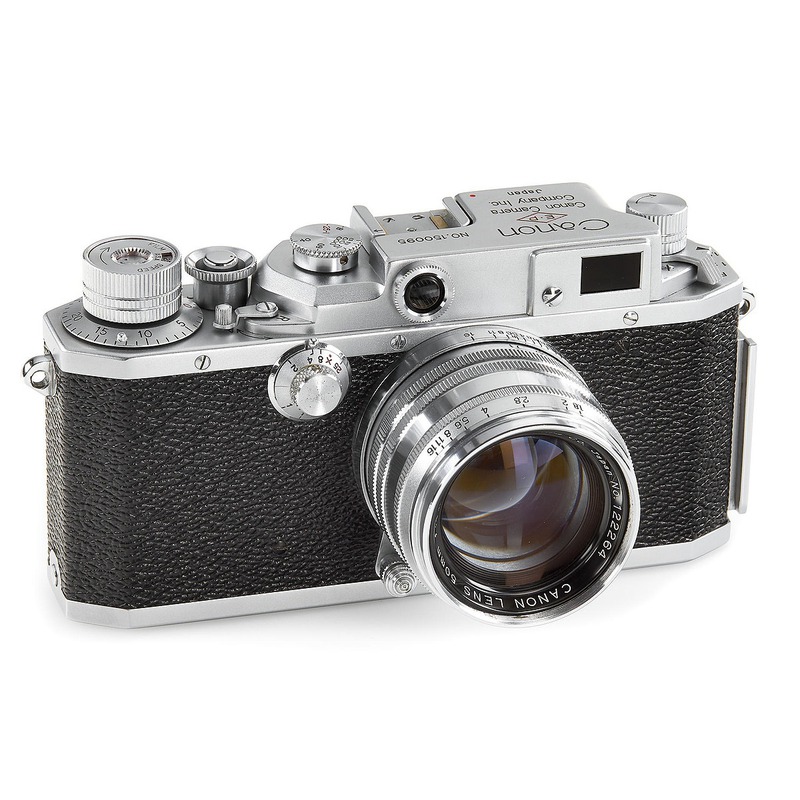
Canon IIS
Canon · Japan
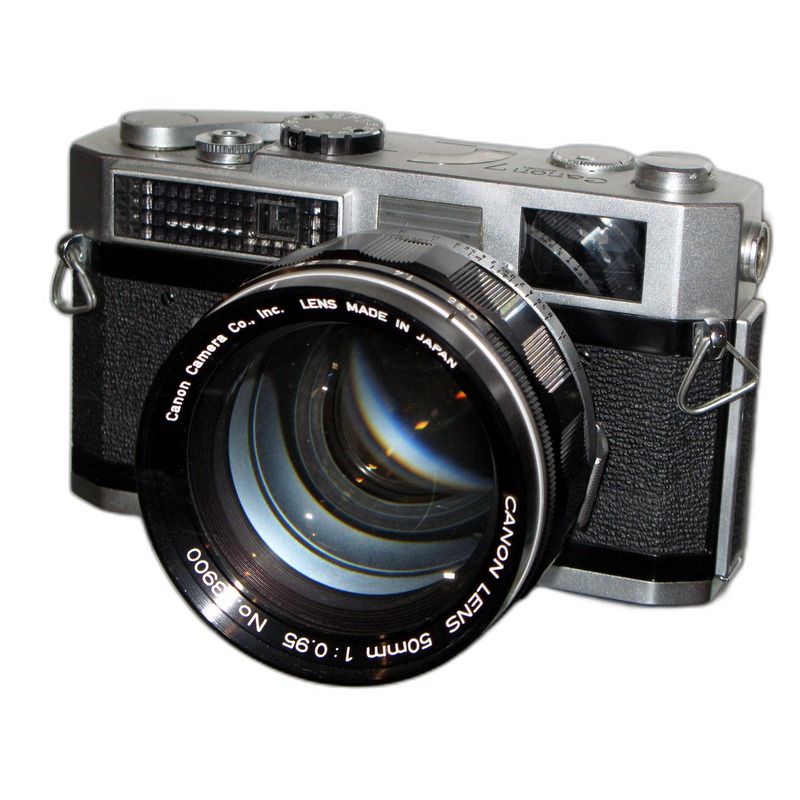
The Canon IIS represents a typical mid-range camera from Canon's early post-war period, likely manufactured in the late 1940s or early 1950s. Filling a niche between basic box cameras and high-end rangefinders, it offered a straightforward experience for amateur photographers. As a fixed-lens camera with a simple shutter and viewfinder system, it prioritized ease of use and affordability over technical complexity. Its design reflected Canon's expansion beyond their initial Leica-inspired models, aiming to capture the growing consumer market with functional, reliable equipment. While it embodied Canon's ongoing development in camera manufacturing during this era, it did not introduce any major innovations or distinguish itself dramatically from competitors' offerings in its class. The Canon IIS functioned as a practical tool for everyday snapshots, contributing to the widespread adoption of 35mm photography among general enthusiasts.
Built with pressed metal and basic materials common for its time, the Canon IIS prioritized functionality over premium construction. Its design cues likely followed contemporary trends, offering a straightforward layout with minimal controls. It served its purpose adequately as an entry-level 35mm camera, capable of delivering standard-quality images for casual users. Its significance lies more as a representative example of Canon's product diversification and the broader camera market of the early Cold War era rather than as a landmark device. Many similar models from various manufacturers filled this segment, making the IIS a familiar, unassuming presence in countless households before the rise of more advanced single-lens reflex systems.
 Enjoy this museum? Support on Ko-fi