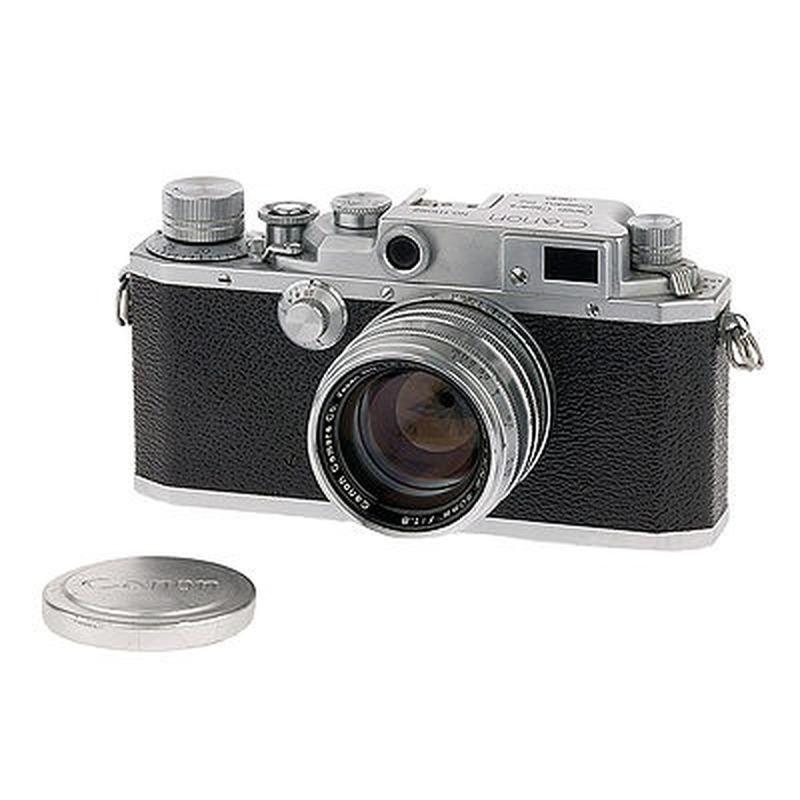
Canon IID
Canon · Japan
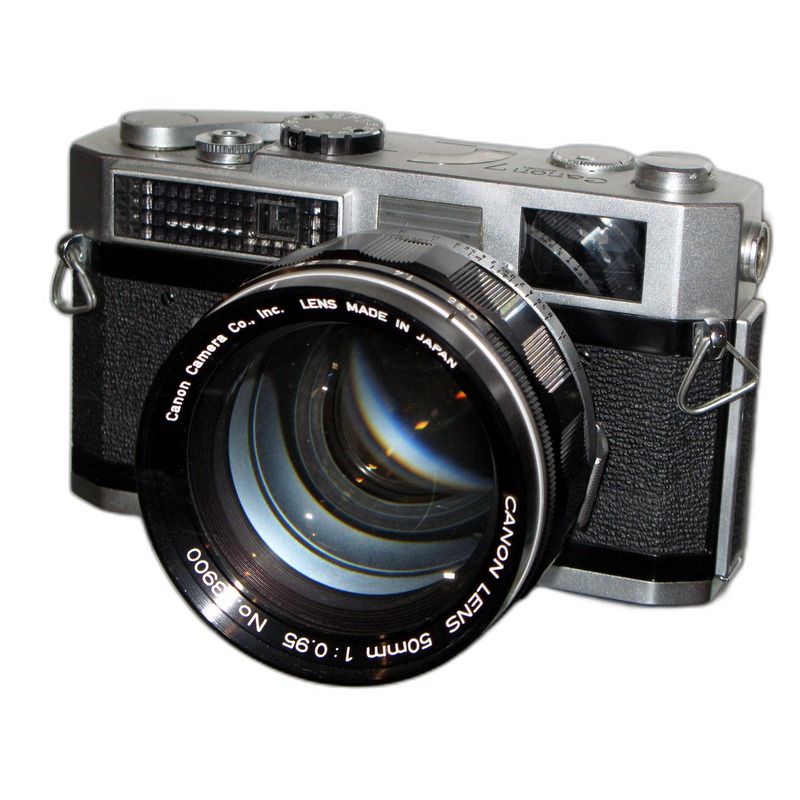
The Canon IID represents a pivotal stage in Canon's evolution from a precision equipment manufacturer to a camera producer. Emerging in the immediate post-war period, likely the late 1940s, it built upon the foundation of the Canon II model but incorporated refinements. As a rangefinder camera, it utilized Canon's proprietary Serenar lenses and featured a coupled rangefinder system for accurate focusing, a significant advancement for the time. It typically used 35mm film and offered a simplified control layout compared to earlier Canons, making it more accessible to amateur photographers while retaining the brand's reputation for reliable construction. The IID solidified Canon's position in the burgeoning post-war 35mm camera market, demonstrating their ability to produce functional, well-engineered cameras that competed effectively against established European brands.
This model belongs to Canon's first successful generation of 35mm rangefinder cameras. Its importance lies less in groundbreaking innovation and more in its role as a workhorse that helped establish Canon's presence and reputation internationally. It was a practical, durable camera designed for everyday photography, contributing significantly to Canon's early market share and brand recognition before the company's later dominance in SLR photography. While not possessing the iconic status of contemporaries like the Leica III or Contax II, the Canon IID was a crucial product that supported the company's growth and provided reliable imaging for countless users.
 Enjoy this museum? Support on Ko-fi