Pricing
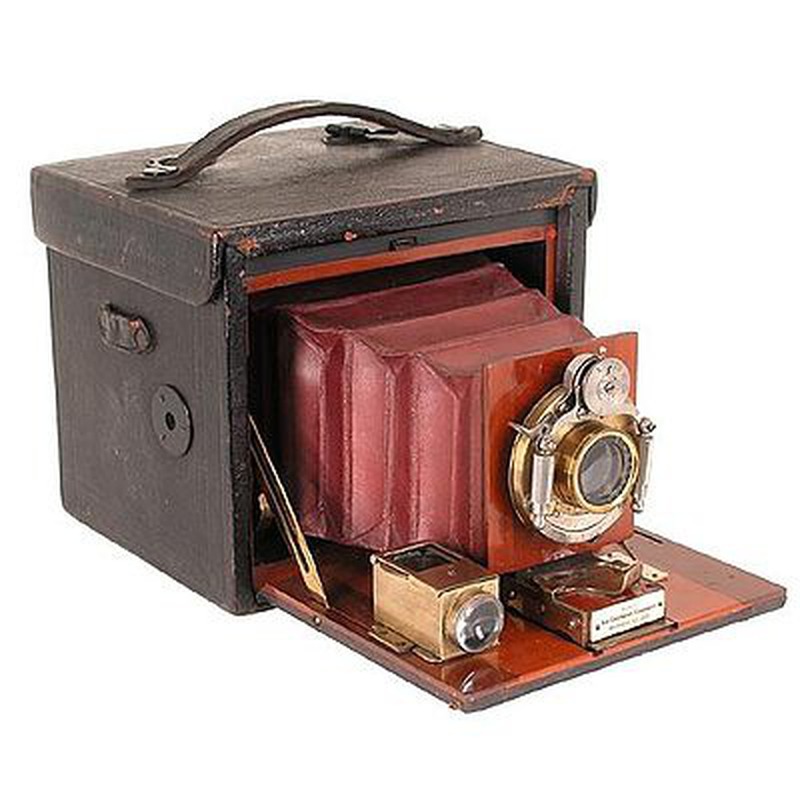
Kodak Folding No.4
Kodak · USA · 1890–1892 (2 years) · 135 film
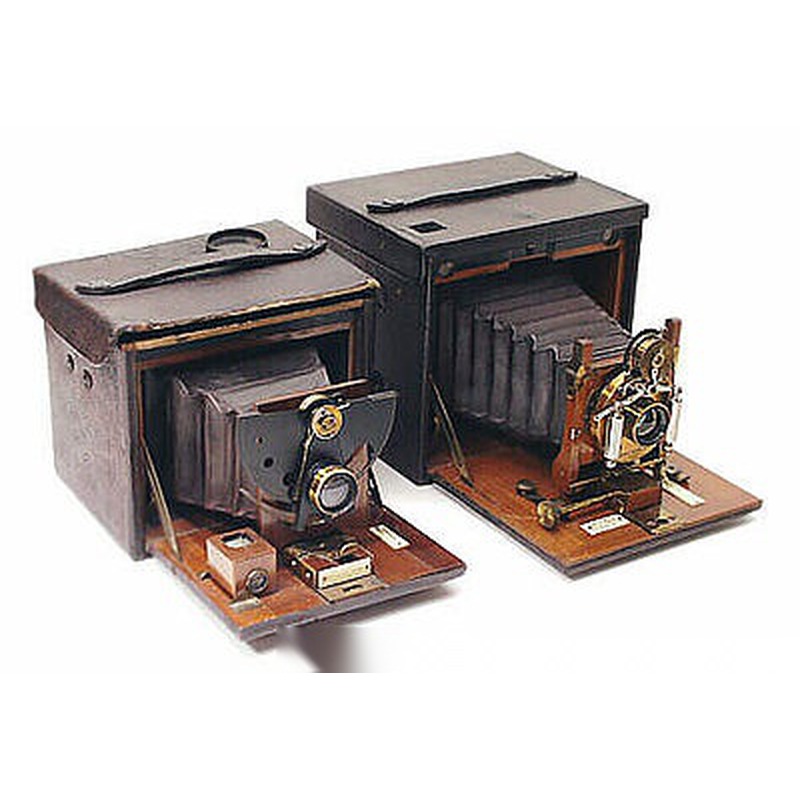
Produced during the pivotal 1890s, the Kodak Folding No.4 holds a significant place in the company's early expansion and the democratization of photography. Kodak had already revolutionized the medium with the introduction of roll film in 1888 and the simple Box Brownie (1900), but the Folding No.4 represents an ambitious step towards making higher-quality, more portable cameras accessible to a broader market of serious amateur photographers. Its existence underscores Kodak's strategy of diversifying its product range beyond the basic, fixed-lens models to cater to enthusiasts seeking more control and better optics, reflecting the growing sophistication and market potential of amateur photography at the turn of the 20th century. While the exact technical classification (e.g., "folding roll-film camera") remains obscured in the provided information, the "Folding" designation itself indicates a design philosophy prioritizing compactness for easier transport, a key advancement for photographers operating outside the studio.
Manufactured likely from durable materials such as polished wood plates, fine leather bellows, and brass fittings, the Folding No.4 embodied Kodak's commitment to robustness for portable equipment. The folding mechanism, though simple compared to later models, was a practical innovation allowing the camera to collapse into a relatively small, protected form, shielding the lens and bellows during transport. While specific innovations aren't detailed for this early model, it likely incorporated Kodak's proprietary roll film system, making it part of the ecosystem that standardized photographic processes and empowered users to capture and develop their own images without professional darkroom expertise. Its production run, though short-lived (1890-1892), marks a deliberate effort by Kodak to bridge the gap between the entry-level Brownie and more complex view cameras, contributing significantly to the infrastructure of amateur photography before the mass-market explosion of the 1900s.
Specifications
| Film Format | 135 |
 Enjoy this museum? Support on Ko-fi