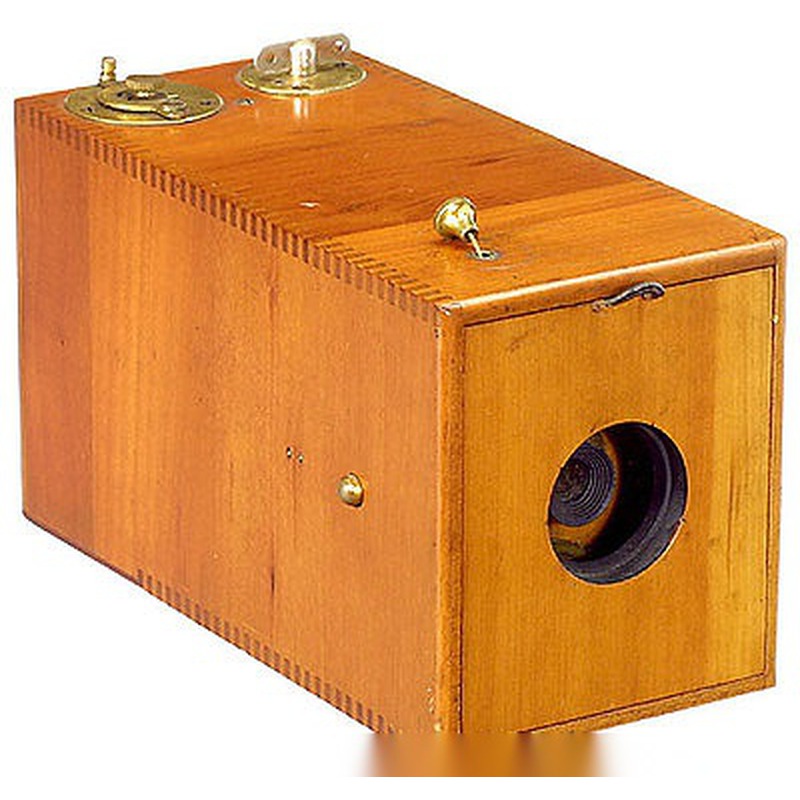
Kodak Ordinary Kodak A
Kodak · USA · 1891–1895 (4 years) · 135 film
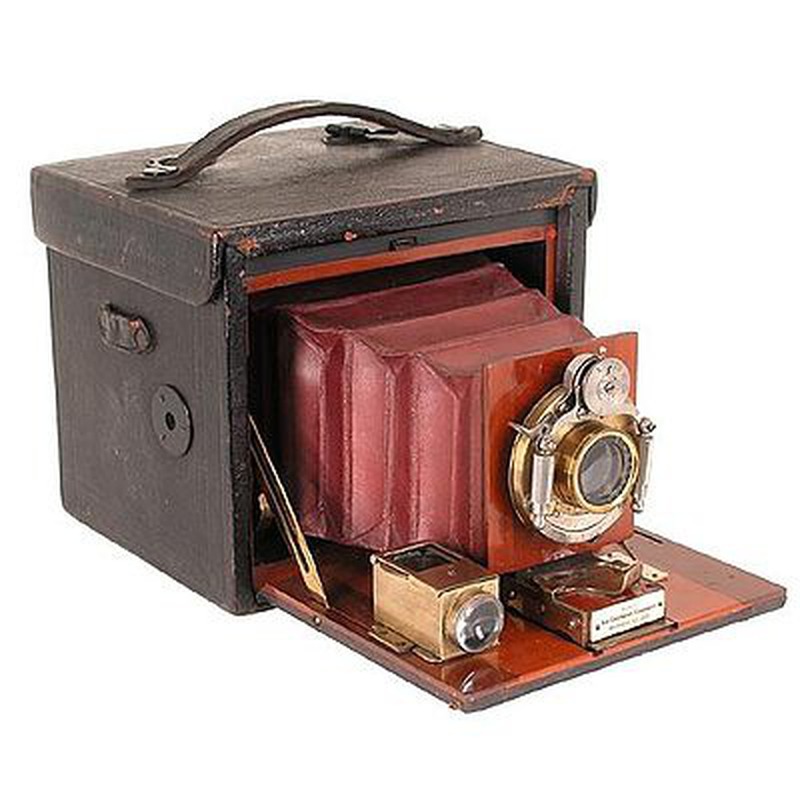
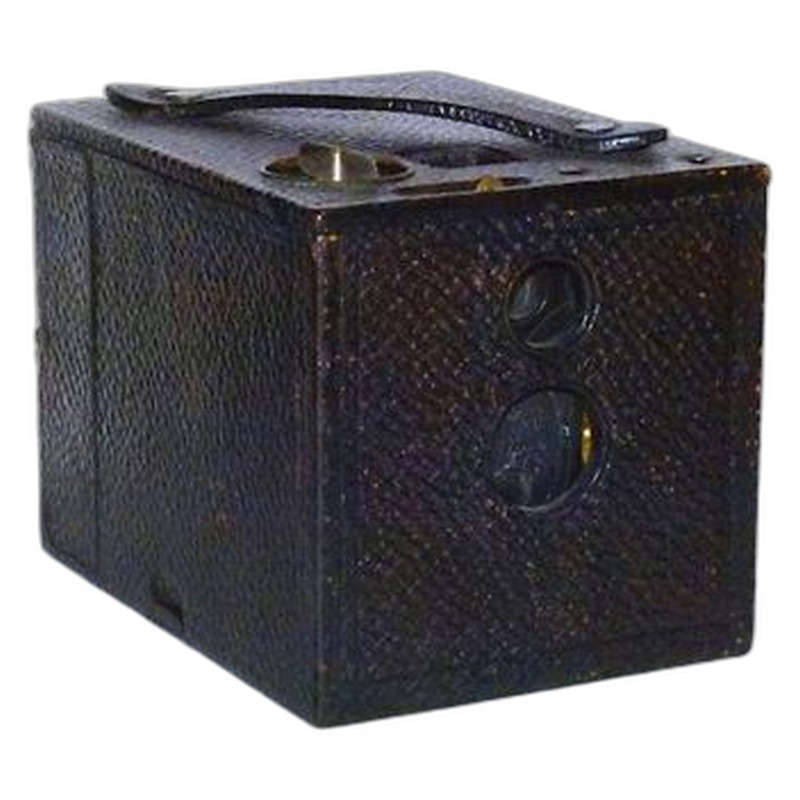
The Ordinary Kodak A represents a significant step in Kodak's mission to democratize photography, produced during a pivotal period from 1891 to 1895. Building on the immense success of the original Kodak camera launched in 1888, this model likely offered a more accessible, possibly simplified version for the mass market. Its production during this timeframe coincided with Kodak's rapid expansion and the solidification of the roll-film system, which revolutionized amateur photography by making it affordable and convenient. While the specific type (e.g., box, folding) remains undocumented from the provided data, its designation as an "Ordinary" Kodak suggests it was a standard, widely available model designed for ease of use. Manufactured by Kodak, it embodied the company's engineering ethos of practicality and reliability for the average person, utilizing a roll-film loading system that allowed users to take multiple exposures before sending the camera back to Kodak for processing and reloading – the core of Eastman's "You press the button, we do the rest" philosophy. Technically, it likely featured a simple fixed-focus lens and a basic shutter mechanism, prioritizing straightforward operation over advanced optics or features. While specific photographers renowned for using the Ordinary Kodak A are not documented from the existing information, its historical importance lies in its contribution to making photography a widespread pastime beyond professionals and dedicated hobbyists, fundamentally shaping the medium's social and cultural impact.
This camera serves as a tangible link to the dawn of snapshot culture. Its production period (1891-1895) places it just after the initial wave of roll-film enthusiasm, highlighting Kodak's strategy of refining its product line to cater to an ever-growing audience eager to capture everyday moments. The name "Ordinary Kodak A" itself implies it was a foundational, no-frills workhorse within Kodak's early portfolio. Design-wise, while specifics are unknown, it was likely constructed from stamped metal components and simple materials typical of the era, focusing on durability for repeated use and shipment back to the factory. Its technical innovation, though perhaps less groundbreaking than the original 1888 Kodak, resided in the successful implementation and scaling of the roll-film and service-based business model, which was inherently innovative for its time. The 135 format reference is intriguing but potentially anachronistic or misattributed in the provided data, as standard 35mm (135) film was not introduced until the 1930s with the Leica; this model almost certainly used Kodak's own roll film format. Regardless, the Ordinary Kodak A stands as an artifact of Kodak's early dominance and their crucial role in transforming photography from a specialized craft into a popular, accessible art form enjoyed by millions.
Specifications
| Film Format | 135 |
 Enjoy this museum? Support on Ko-fi