_(Vitessa_T)/main.jpg)
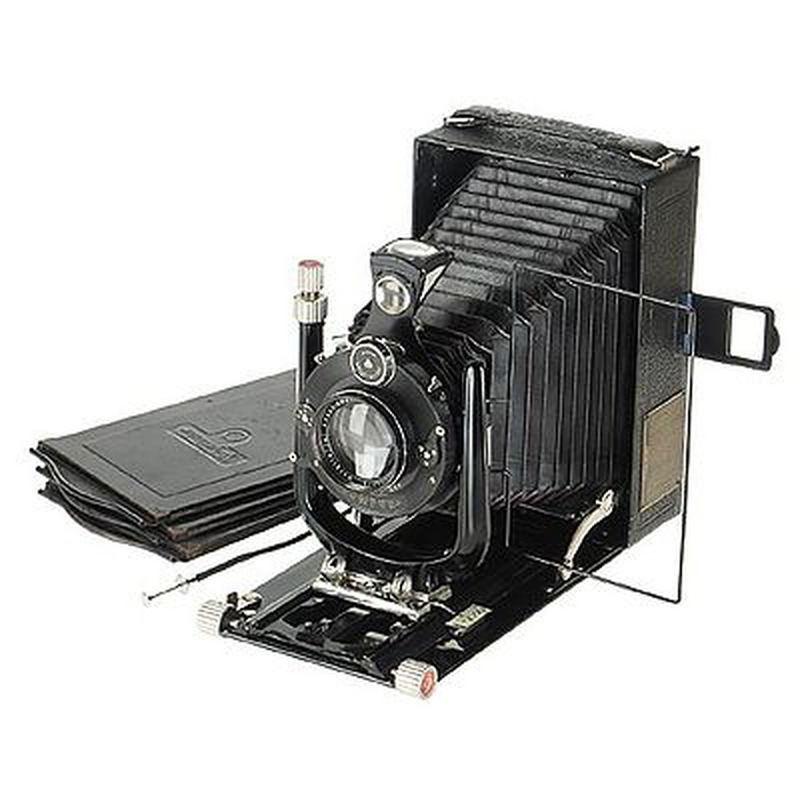
Voigtlander Vitessa (Type 136) (Vitessa T)
Voigtlander · Germany
The Vitessa T (Type 136) represents a significant achievement in mid-20th century German compact camera design, embodying Voigtlander's reputation for optical excellence and precision engineering. Introduced in the late 1950s, this compact leaf shutter camera offered a significant step forward in convenience without sacrificing image quality, featuring a coupled rangefinder system and bayonet lens mount – notably the unique Voigtlander bayonet for interchangeable lenses like the Color-Skopar. Its streamlined, angular body crafted from durable materials typified the post-war German aesthetic blend of functionality and form, targeting serious photographers seeking a high-quality, portable alternative to bulkier rangefinder systems or SLRs. The Vitessa T excelled in its core function as a precise, reliable picture-taking tool, leveraging Voigtlander's renowned lens-making prowess to deliver excellent results in a relatively small package, making it a notable contender in the era before the rise of Japanese compact cameras.
While not achieving the iconic status of contemporaries like the Leica M series, the Vitessa T holds a respected place in photographic history as a well-executed, high-quality compact camera that perfectly showcased Voigtlander's optical and mechanical prowess during a critical transitional period in camera manufacturing. Its design emphasized robust build quality and practical features like rapid film advance and integrated light metering (depending on specific variants), reflecting a thoughtful response to market demands for increasingly sophisticated yet portable photographic equipment. Collectors value it for its excellent German construction, smooth operation, and the consistently sharp images produced by its lenses, cementing its status as a desirable example of mid-century photographic innovation.
/main.jpg)
 Enjoy this museum? Support on Ko-fi