/main.jpg)
Zeiss Tropica (285)
Zeiss · Germany · 1927–1931 (4 years) · 135 film
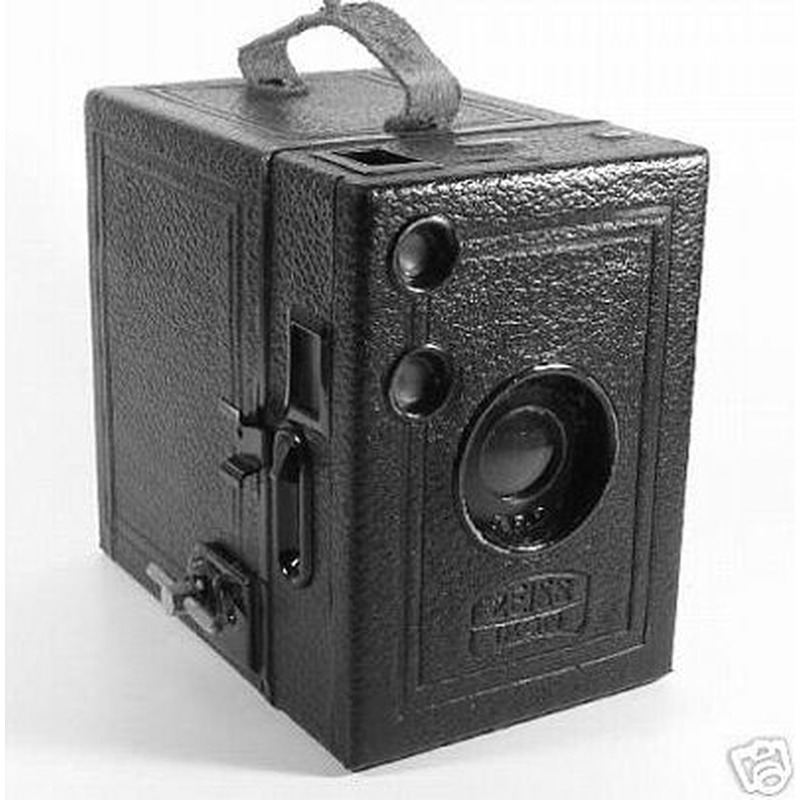
The Zeiss Tropica (285) represents a significant but transitional entry in the early development of 35mm still photography. Produced by the renowned German optical firm Carl Zeiss between 1927 and 1931, this camera emerged during the crucial period when 35mm film, initially developed for motion picture use, was being adapted for compact, high-quality still cameras. While Zeiss was a dominant force in optics, the Tropica itself was not a revolutionary design like contemporaneous Leica models, but rather a solid, functional example of the company's early attempts to capture the burgeoning amateur market for small format cameras. Its construction likely emphasized precision engineering characteristic of Zeiss, utilizing quality materials typical of the era, though its specific type details (e.g., viewfinder type, shutter mechanisms) remain unclear without further historical records. The camera's production run spanning four years indicates a modest commercial success within its niche, contributing to the diversification of 35mm options available to photographers before the market consolidated around dominant designs.
Existing primarily within the context of Zeiss's broader optical manufacturing prowess and the experimental phase of 35mm still photography, the Tropica (285) serves as a historical artifact. It reflects the period's competitive landscape where multiple manufacturers vied for a foothold with small-format designs. Its relatively short production period and lack of documented major innovations place it firmly among the notable but not historically transformative cameras of its time. It exemplifies the craftsmanship and engineering focus of Zeiss during the late Weimar era, prior to the major industry shifts of the 1930s.
Specifications
| Film Format | 135 |
/main.jpg)
/main.jpg)
/main.jpg)
/main.jpg)
 Enjoy this museum? Support on Ko-fi