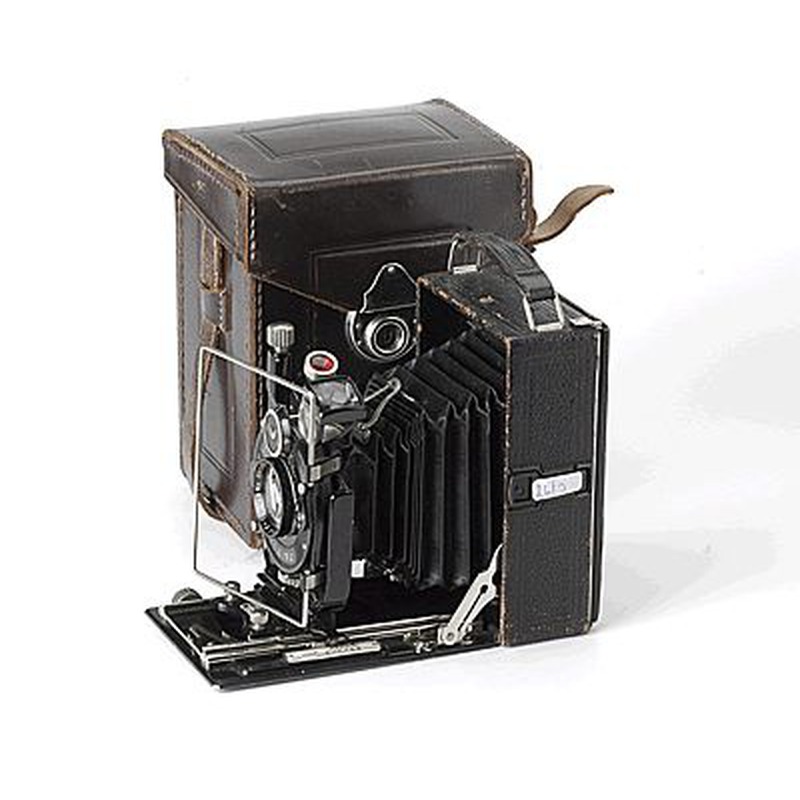
Zeiss Maximar 207/3
Zeiss · Germany · 1927–1939 (12 years) · 135 film
The Zeiss Maximar 207/3 represents a significant example of mid-tier German 35mm photography during the interwar period, a time when the format was transitioning from novelty to mainstream. Produced from 1927 to 1939, this camera likely featured Zeiss's renowned Tessar or similar lens, ensuring sharp image quality, and incorporated a simple yet robust viewfinder system. It embodied Zeiss's commitment to precision engineering and optical excellence, targeting serious amateur photographers rather than professionals or pioneering innovators. While it lacks the groundbreaking status of contemporaneous Leica models, the Maximar 207/3 contributed to the popularization of 35mm photography by offering reliable performance and build quality at a relatively accessible price point within the Zeiss portfolio, reflecting the era's growing demand for compact, high-quality cameras.
As a product of Zeiss's Ikon camera conglomerate after 1926, the 207/3 benefited from the company's extensive manufacturing infrastructure and lens expertise. Its production spanned a crucial twelve-year period, witnessing the refinement of 35mm technology and the rise of snapshot culture. The camera likely featured a focal plane shutter or a leaf shutter with standard speeds, coupled with basic focusing controls and a coupled rangefinder or simple viewfinder. It stood as a practical, well-built tool for amateur enthusiasts who valued German craftsmanship and reliability, bridging the gap between the earliest Leica prototypes and more widespread post-WWII consumer 35mm cameras. Its longevity in production underscores its solid design and market relevance during a transformative era for photography.
Specifications
| Film Format | 135 |
/main.jpg)
/main.jpg)
/main.jpg)
/main.jpg)
 Enjoy this museum? Support on Ko-fi