Pricing
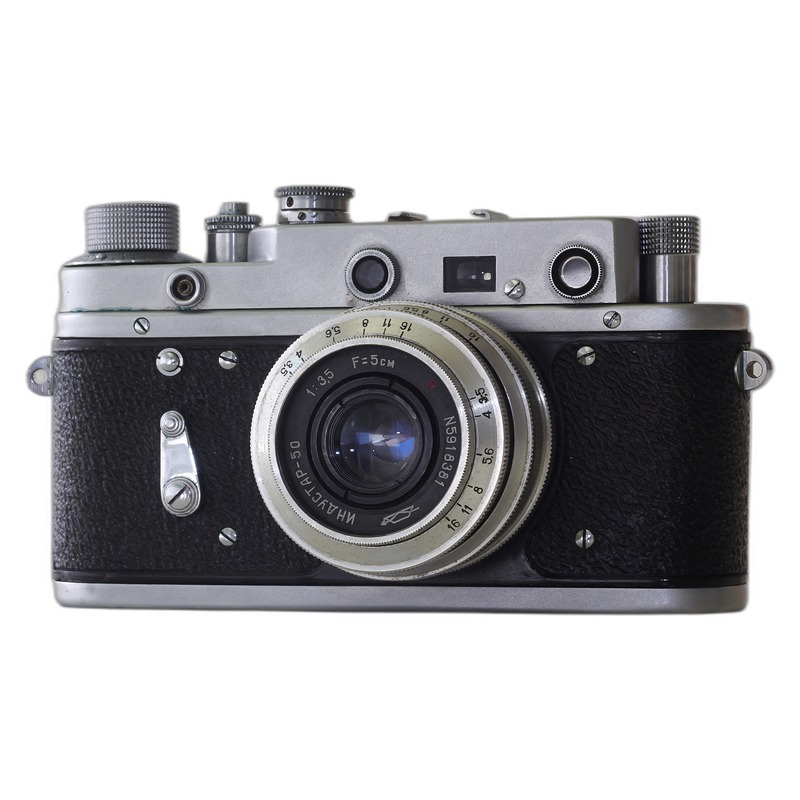
Zorki 4
Zorki · Russia · 135 film
The Zorki 4 stands as a testament to the Soviet Union's ambition to democratize photography through affordable, reliable rangefinder technology during the Cold War era. Produced by KMZ (Krasnogorsky Mechanical Plant) in the 1950s-60s, it was a direct adaptation of the pre-WWII Leica II, embodying the era's industrial pragmatism by replicating a proven design while leveraging local manufacturing. Its widespread availability in Eastern Bloc countries and export markets made it a cornerstone of everyday photography for amateurs and professionals alike, symbolizing the Soviet camera industry's efforts to bridge the gap with Western counterparts. Despite its origins as a copy, the Zorki 4's longevity—produced for nearly two decades—highlights its functional design and cultural impact, becoming a ubiquitous tool for documenting life behind the Iron Curtain.
Technically, the camera features a coupled rangefinder system for precise focusing, paired with a robust 39mm Leica Thread Mount (39LTM) that compatibility with a vast ecosystem of lenses, including Leica and Soviet-made optics. While not revolutionary, its combination of a metal focal-plane shutter (typically offering speeds from 1 second to 1/500 sec) and reliable mechanics provided dependable performance for its time. The Zorki 4’s utilitarian approach—prioritizing durability over luxury—made it favored by photojournalists and documentarians in resource-constrained settings, though no internationally renowned photographers are definitively linked to its use in historical records. Its legacy lies in being an accessible gateway to rangefinder photography for countless users, who valued its straightforward operation and mechanical simplicity in an increasingly automated world.
Specifications
| Type | Rangefinder |
| Film Format | 135 |
| Lens / Mount | 39LTM |
 Enjoy this museum? Support on Ko-fi