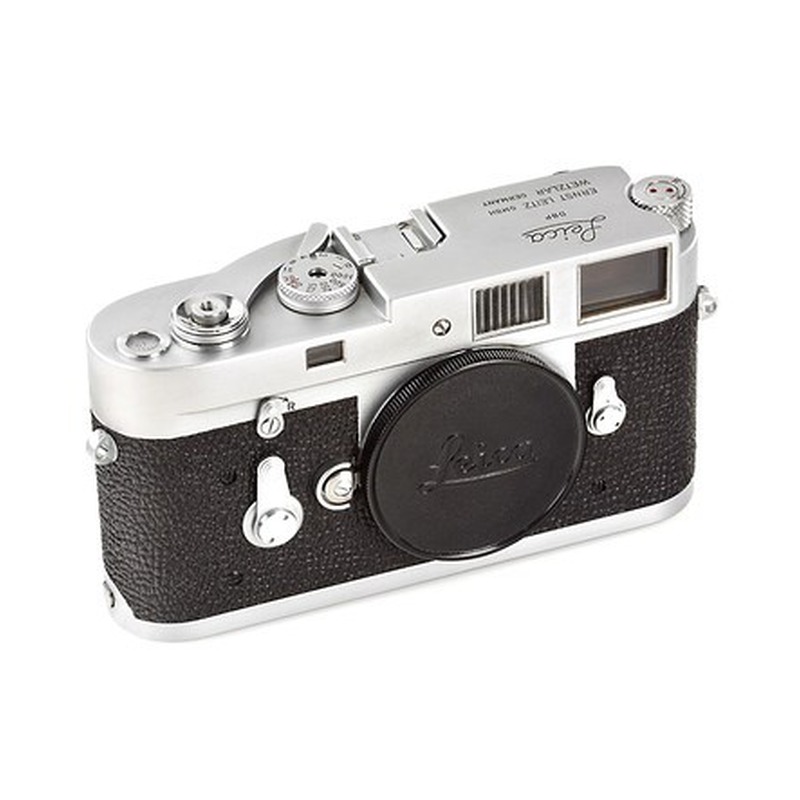
Leica M4 Prototype
Leica · Germany
The Leica M4 Prototype stands as a monumental artifact in photographic history, representing the critical evolutionary step between Leica's earlier rangefinder designs and the revolutionary M3 that would debut in 1954. This experimental camera showcases the foundational innovations that would define Leica's iconic M system for decades to come. Most notably, it demonstrates the integration of the coupled rangefinder and viewfinder within a single bright-line window, a design choice that set new standards for precision and ease of use. The prototype also features the rapid film advance lever and introduces the reliable M bayonet lens mount, elements that would become hallmarks of the M series. Though never intended for serial production, this prototype embodies Leica's meticulous engineering approach and relentless pursuit of excellence in miniature camera design.
As a direct precursor to the M3, the M4 Prototype serves as the tangible blueprint for one of photography's most influential camera systems. It tested and perfected core innovations such as the highly accurate, large-base rangefinder with parallax-compensated viewfinder frames and a robust shutter mechanism known for its quietness and reliability. These design elements, refined in the prototype and later implemented in production models, became defining characteristics of the Leica experience. The prototype's significance transcends its own operational limitations; it represents the birth of a design language that would shape the future of rangefinder photography and influence camera design even into the digital age. From its position as a genesis artifact, the M4 Prototype established the standards against which other professional cameras would be measured.
/main.jpg)
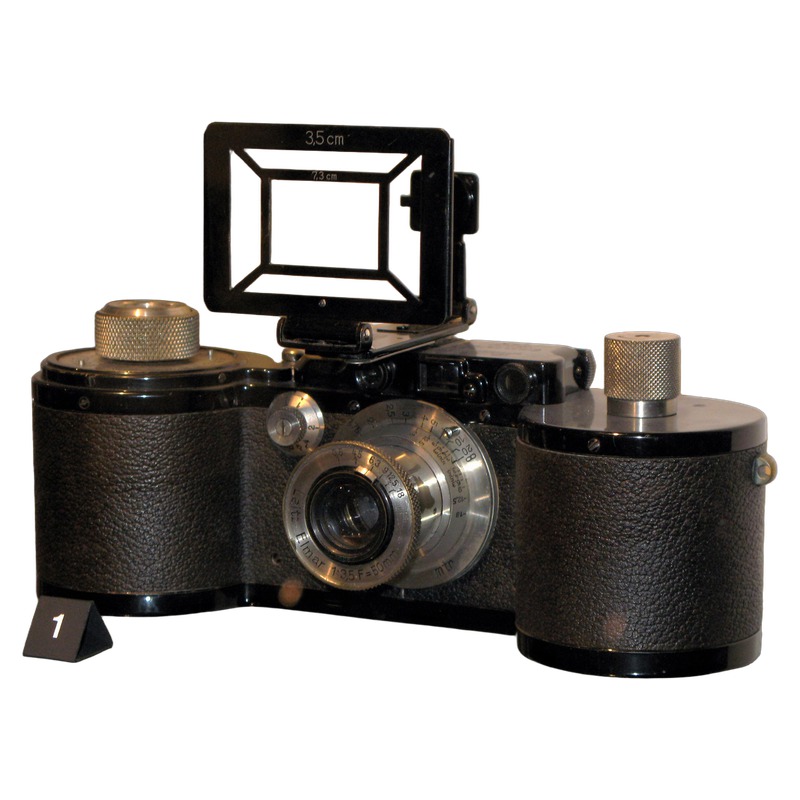
/main.jpg)
/main.jpg)
 Enjoy this museum? Support on Ko-fi