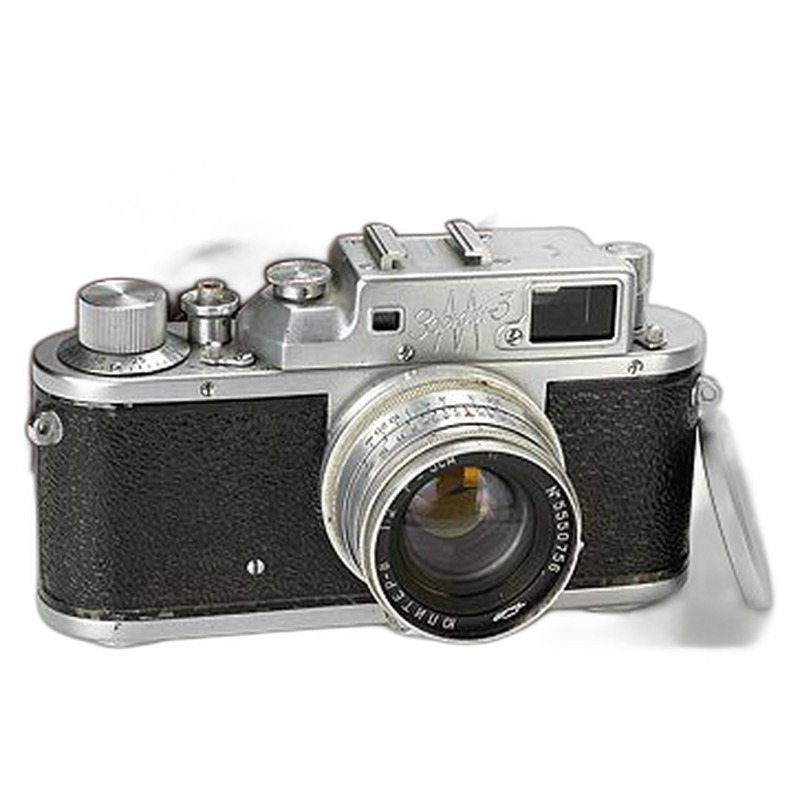
Zenit Zorki 3 M
Zenit · Russia · 1954–1956 (2 years) · 135 film
The Zorki 3 M represents a significant iteration within the post-WWII Soviet Zorki range, marking a refinement of the earlier Zorki 2. Produced by KMZ (Krasnogorsky Mechanical Plant) under the Zenit brand name from 1954 to 1956, this camera continued the tradition of adapting pre-war Leica III designs for Soviet manufacture. It featured a reliable cloth focal plane shutter with speeds from 1/20s to 1/1000s, synchronized for flashbulbs. Key practical improvements included a lever wind instead of the knob found on the Zorki 2, a Contax-style shutter release lever on the front for easier access, and a self-timer. Equipped with a standard 39mm screw mount, it accommodated a wide range of domestically produced lenses, like the Industar-22 and Jupiter-8, making it a versatile tool for Soviet photographers and enthusiasts during the mid-1950s, a period of burgeoning interest in personal photography behind the Iron Curtain. Its construction, typical of Soviet engineering of the era, prioritized functionality over finesse, utilizing robust steel and Bakelite components.
While sharing its Leica lineage and offering essential 35mm capabilities at an affordable price, the Zorki 3 M was fundamentally a workhorse camera rather than a groundbreaking design. It succeeded the Zorki 2 by improving handling and ergonomics but remained firmly within the established Soviet camera tradition of reliable, accessible photographic equipment. Its production run was relatively short (only about two years) before being replaced by the Zorki 4, contributing to its eventual status as a representative mid-20th-century Soviet camera. Lacking sophisticated features or widespread international acclaim beyond the Eastern Bloc, its importance lies more in its role within Soviet photographic history and as a tangible example of post-war Soviet industrial design and optical manufacturing.
Specifications
| Film Format | 135 |
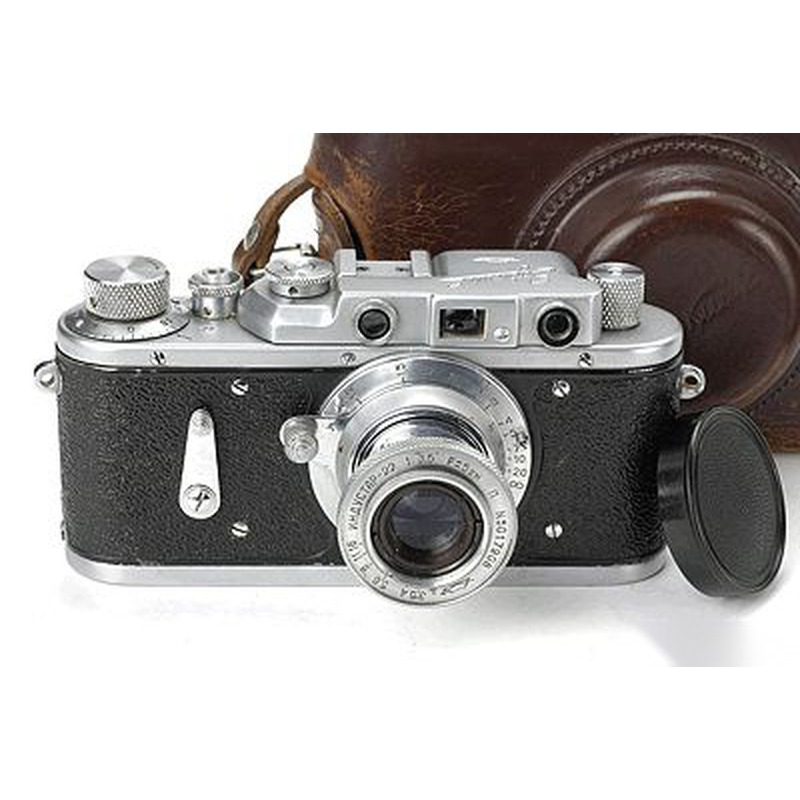
_Prototype/main.jpg)
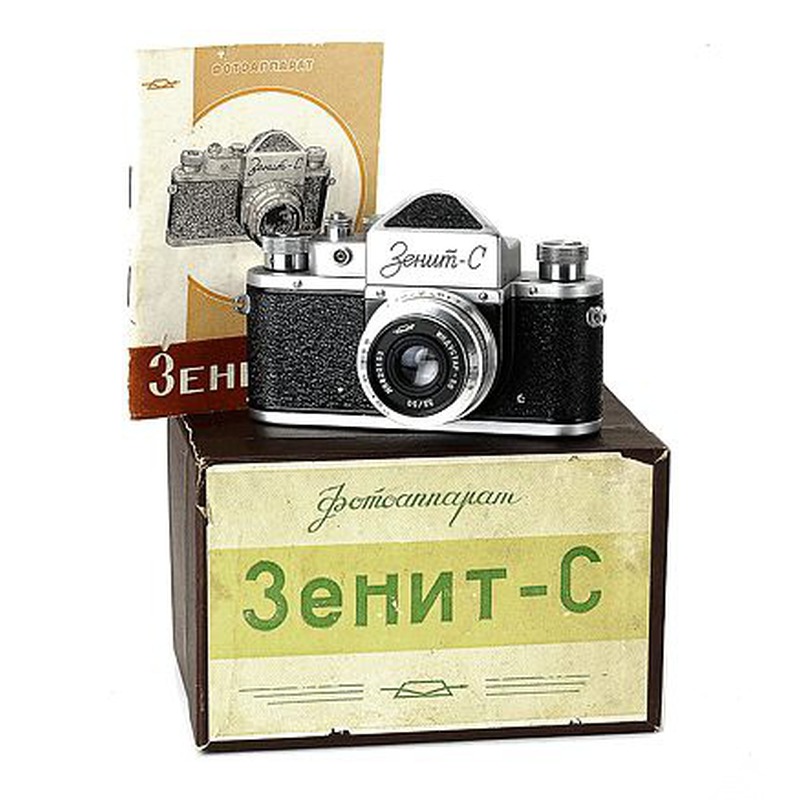
_Stereo/main.jpg)
/main.jpg)
_green/main.jpg)
 Enjoy this museum? Support on Ko-fi