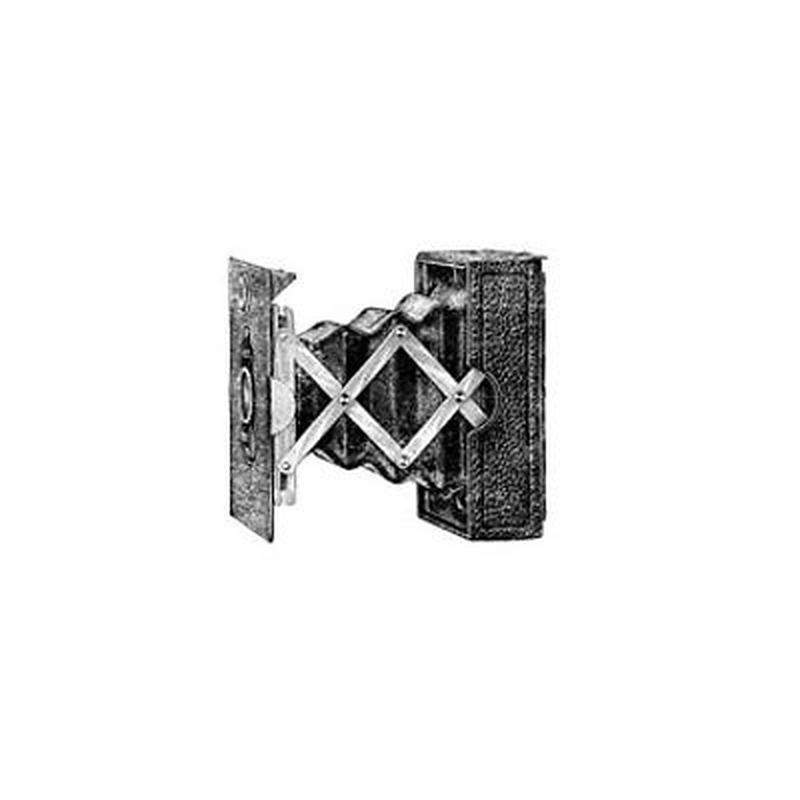
Konica Korok
Konica · Japan · 1914–1916 (2 years) · 135 film
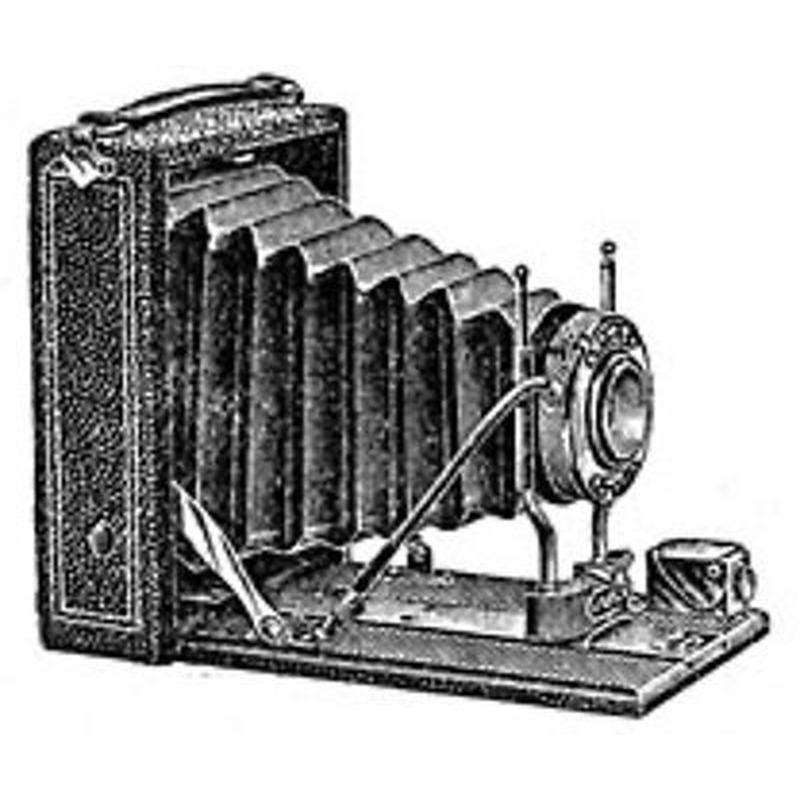
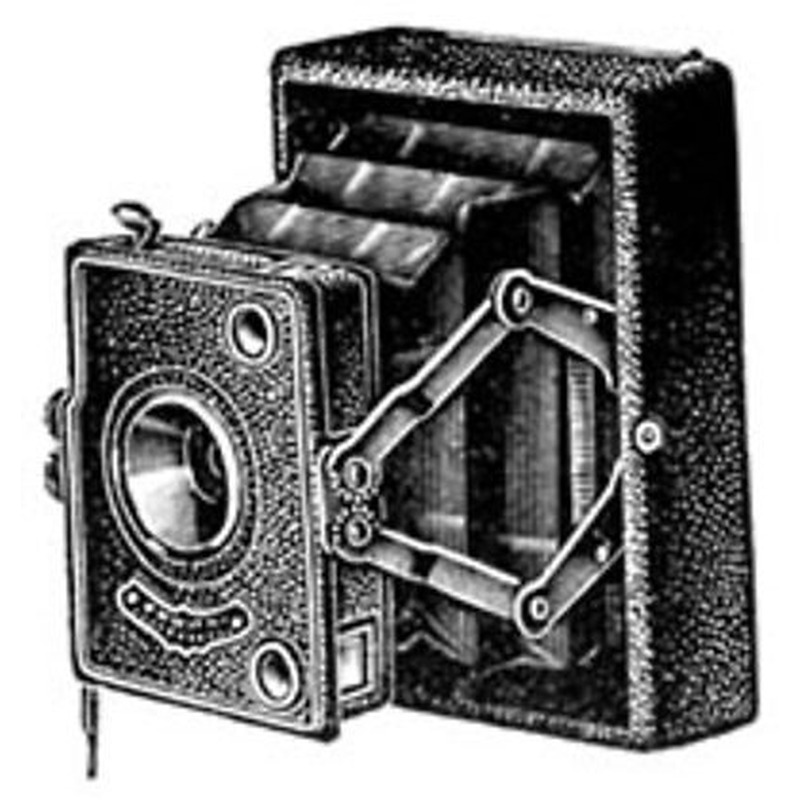
Produced during the tumultuous years of World War I, the Korok represents a significant, albeit lesser-known, entry into the early history of 35mm photography. As one of Japan's initial attempts at this compact format camera, manufactured by Konica (then known as Konishiroku), the Korok dates from 1914 to 1916. Its production predates the iconic Leica I by nearly a decade, marking it as an early pioneer in the development of the miniature camera systems that would eventually revolutionize photography. The camera utilized the then-nascent 135 film format, promising greater portability and convenience compared to the larger plate and roll film cameras dominating the era. Its exact design details are less documented today, but it likely featured a simple, functional construction typical of early experimental models, focusing on delivering a portable 35mm image-making capability.
While not achieving widespread fame or setting the groundbreaking milestones of later legends, the Korok holds a place as an important stepping stone. It demonstrates Konica's early engagement with the 35mm concept before the format gained broader traction. Its existence during this specific historical window, coupled with its role as an early Japanese 35mm camera, gives it a niche historical significance. Collectors and historians value the Korok as a tangible artifact from a formative period in compact camera design, representing one of the first practical attempts by a major Japanese manufacturer to adapt the emerging 135 format for amateur and potentially professional use. Its rarity today adds to its mystique, though specific features beyond its basic format and production period remain largely obscured by time.
Specifications
| Film Format | 135 |
/main.jpg)
 Enjoy this museum? Support on Ko-fi