/main.jpg)
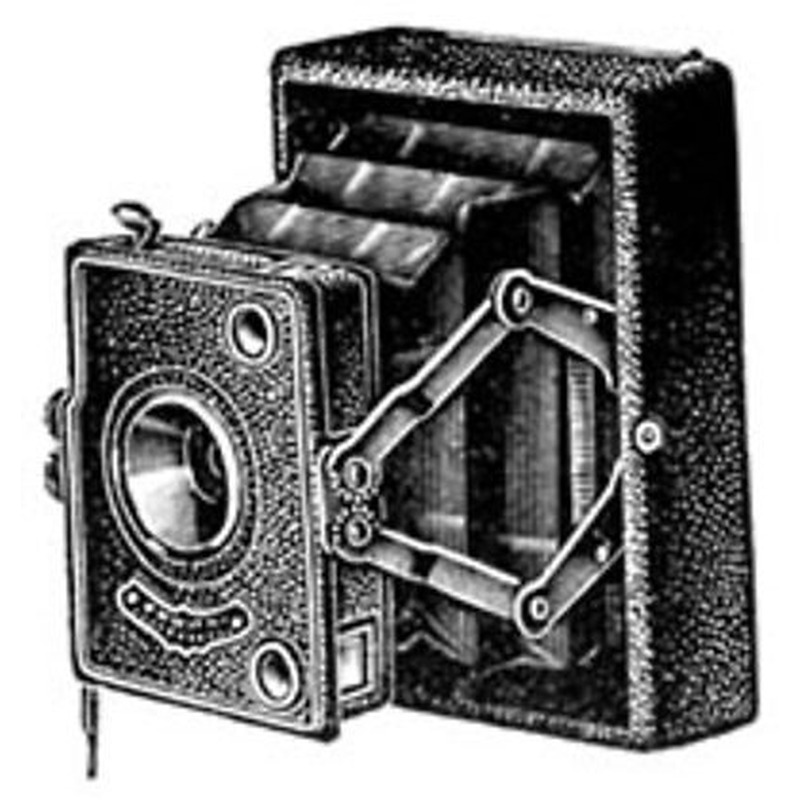
Konica Lily No.2 (horizontal)
Konica · Japan · 1916–1923 (7 years) · 135 film
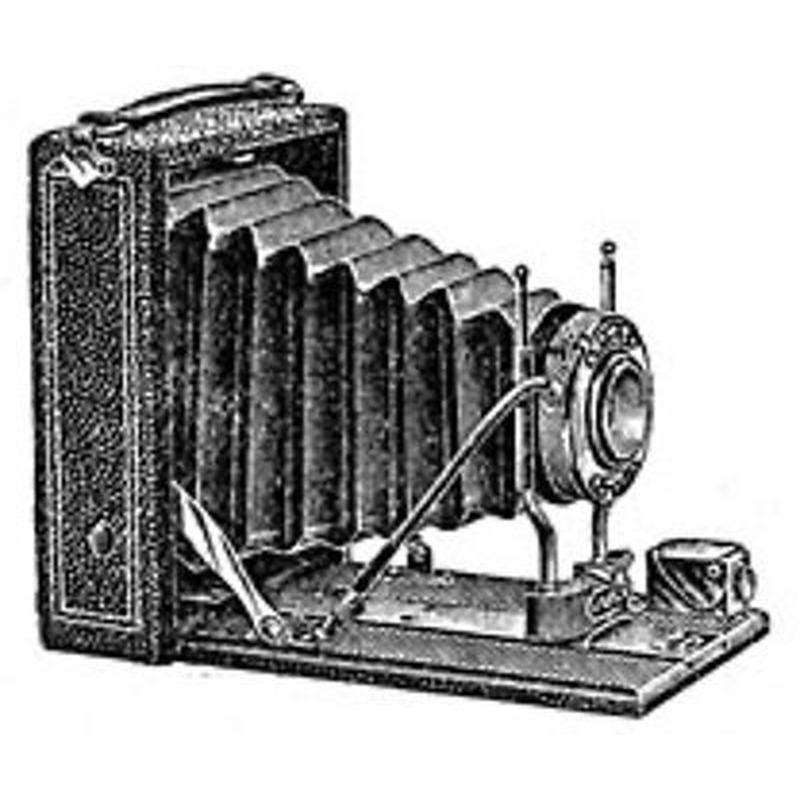
The Lily No.2 (horizontal) represents Konica's significant early venture into the emerging 35mm format, produced from 1916 to 1923. Introduced as part of Konica's initial Lily series, it featured a distinctive horizontal body design, differing significantly from the more vertical orientation of many contemporary cameras. Utilizing 135 film, it was Konica's attempt to compete in the nascent 35mm market pioneered by European manufacturers. While basic in construction compared to later iconic models, its horizontal layout was an unusual design choice for the era. The camera incorporated a simple box-like body construction typical of its period, utilizing materials like wood and metal, and featured a basic shutter system and finder, serving as a practical tool for snapshot photography rather than a technological marvel. Its production spanned several years, indicating a period of refinement and market testing for Konica in this new format category.
As one of Japan's earliest 35mm cameras, the Lily No.2 holds importance as a marker in Konica's history and the broader development of compact photography in Japan. It provided a more portable and potentially affordable alternative to larger plate cameras for enthusiasts. However, it lacked the groundbreaking innovations or widespread cultural impact that defined later legendary cameras. Its design was functional rather than revolutionary, and it did not achieve the same level of fame or technical acclaim as contemporaries from German manufacturers. Its primary significance lies in its role as a foundational model for Konica, demonstrating the company's early commitment to the 35mm format and contributing to the gradual acceptance of small-gauge film photography during the 1920s.
Specifications
| Film Format | 135 |
 Enjoy this museum? Support on Ko-fi