/main.jpg)
Pricing
Goerz Tenax (Baby Tenax)
Goerz · Germany · 1908–1910 (2 years) · 135 film
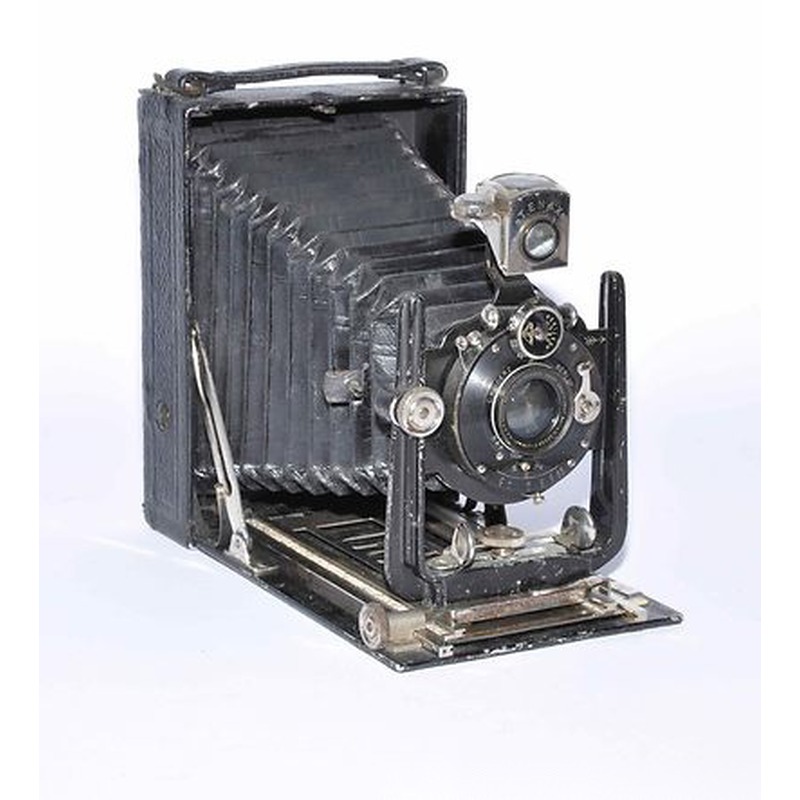
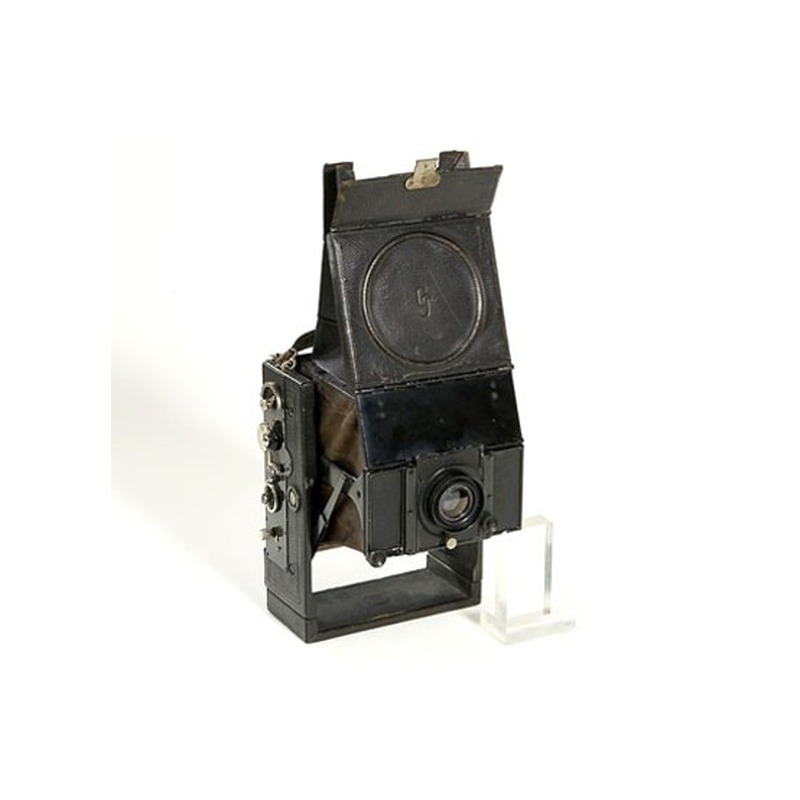
The Goerz Tenax, often referred to as the Baby Tenax, holds a significant place as one of the very earliest 35mm cameras, produced by the prominent German optical firm Goerz from 1908 to 1910. It represents a pioneering effort in adapting the 35mm film format, originally developed for motion picture, to a still photography application. While not achieving widespread adoption or the legendary status of later models like the Leica, the Tenax stands as an important historical artifact from the dawn of miniature photography. Its design was compact for its time, utilizing the standard 35mm cine film perforations and producing the first widely used 24x36mm negative format, a size that would later become the industry standard for 35mm still photography. The camera likely featured a simple focal plane shutter and offered basic controls, reflecting the experimental nature of cameras during this transitional period before the technology matured. Its relatively short production run underscores the challenges faced by early adopters of the small format.
As an early attempt at a practical 35mm still camera, the Tenax demonstrates the technical and market challenges of the era. It was a significant step beyond bulky plate and roll-film cameras, but it lacked the refinement, robustness, and extensive system support that defined later successful 35mm cameras. The camera's existence highlights the parallel developments in still and cine photography at the start of the 20th century and serves as a crucial link between the worlds of motion picture film and portable still photography. While overshadowed historically by the Leica's later, more successful introduction, the Goerz Tenax remains a notable example of the innovation and experimentation that paved the way for the miniature camera revolution.
Specifications
| Film Format | 135 |
_(4x6.5)/main.jpg)


/main.jpg)
 Enjoy this museum? Support on Ko-fi