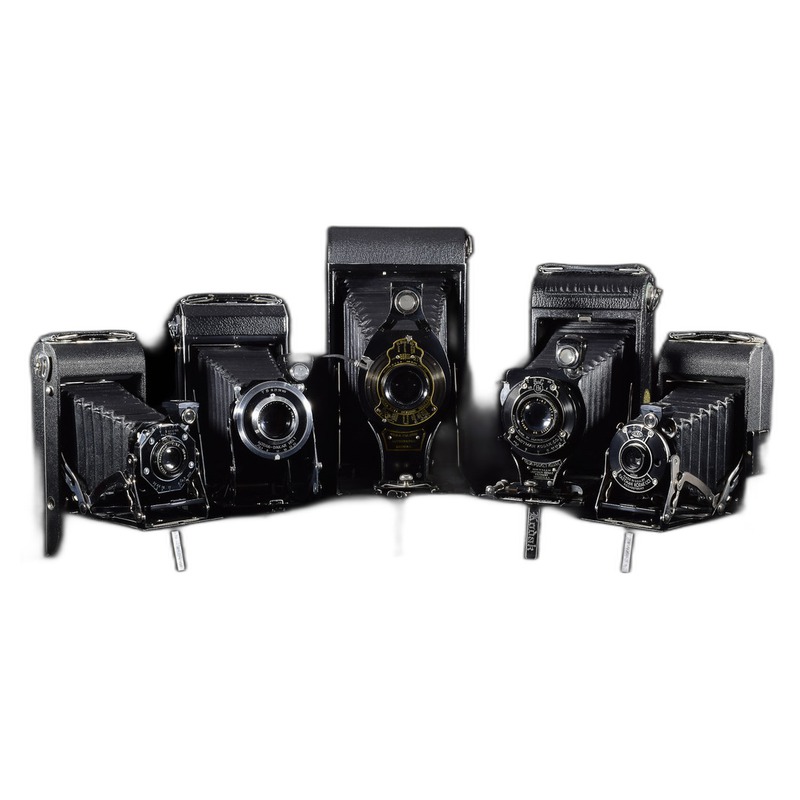
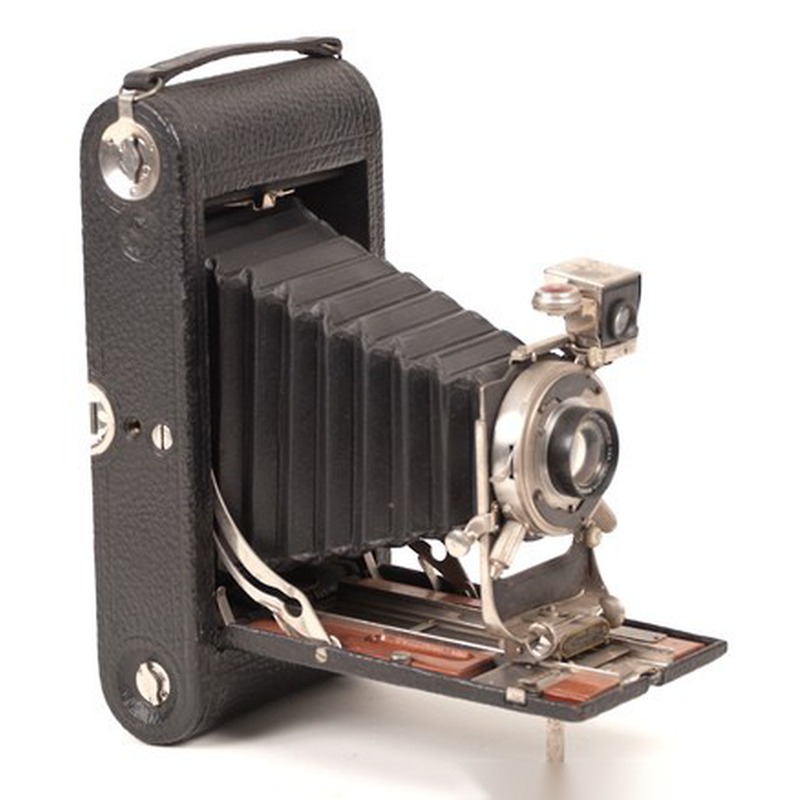
Kodak Eastman Plate No.3
Kodak · USA · 1903 · 135 film
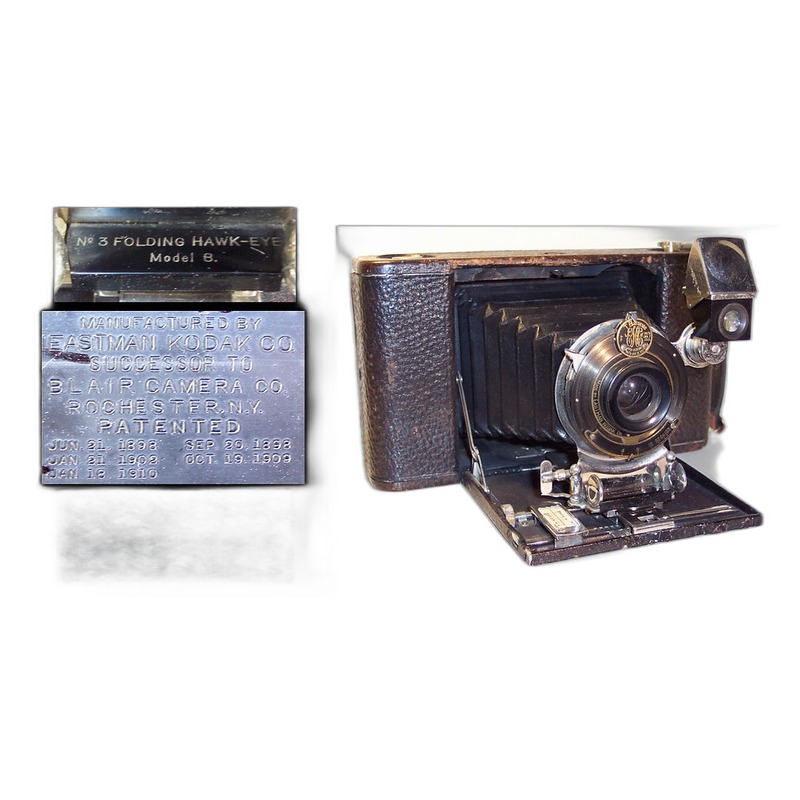
The Eastman Plate No.3 by Kodak, introduced in 1903, stands as an early and experimental foray into 35mm photography predating the more widely recognized Leica by over two decades. As one of Kodak’s first attempts at a small-format still camera, it utilized 35mm film—then primarily associated with motion picture cinematography—in a still application. Its "Plate" nomenclature may allude to an initial design concept incorporating glass plates, though the camera is documented as employing 135-format roll film, marking it as a transitional piece in the evolution toward portable, high-resolution imaging. The camera’s significance lies in its role as a pioneer, demonstrating Kodak’s exploration of miniature formats before the 1925 Leica I revolutionized the market, though it did not achieve widespread adoption due to technical constraints of the era.
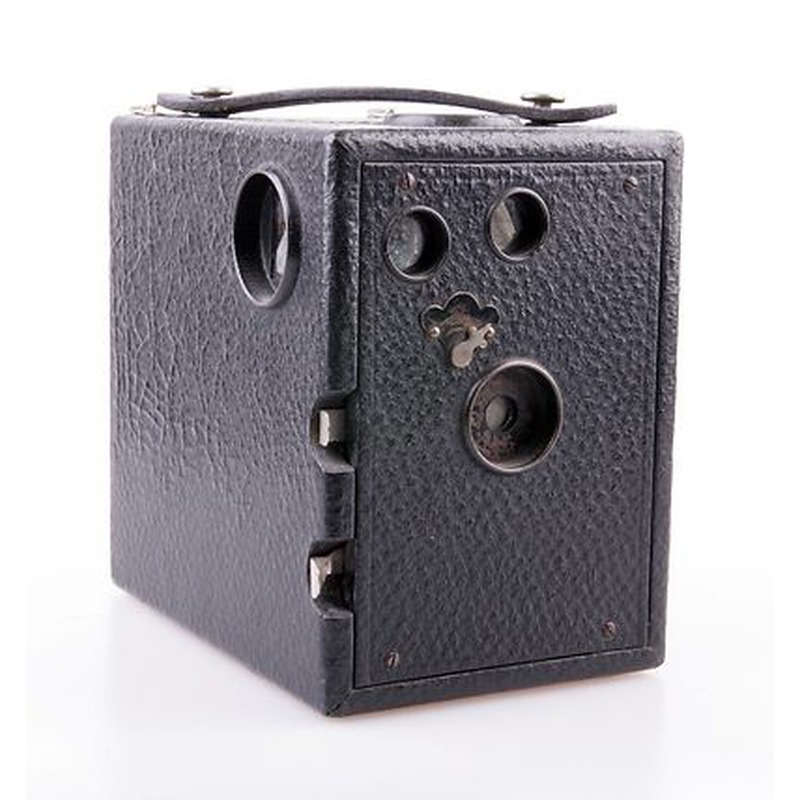
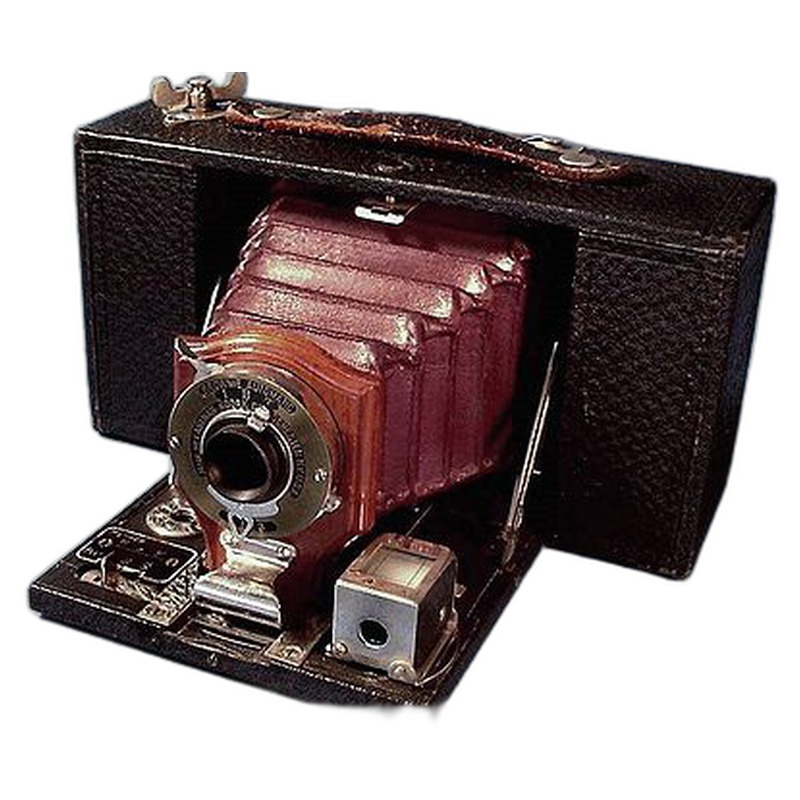
Characterized by a straightforward, robust construction typical of early Kodak products, the Eastman Plate No.3 likely featured a simple box or folding design with a fixed lens and manual controls suited to amateur photographers. Its introduction coincided with a period when Kodak was democratizing photography through user-friendly equipment, and while not commercially transformative, it contributed to the groundwork for future 35mm innovations. The camera remains a tangible link to the nascent days of small-format photography, embodying the era’s technical limitations and visionary experimentation.
Specifications
| Film Format | 135 |
/main.jpg)
/main.jpg)
 Enjoy this museum? Support on Ko-fi