Pricing
Kodak Special Six 16
Kodak · USA · 1937–1939 (2 years) · 135 film
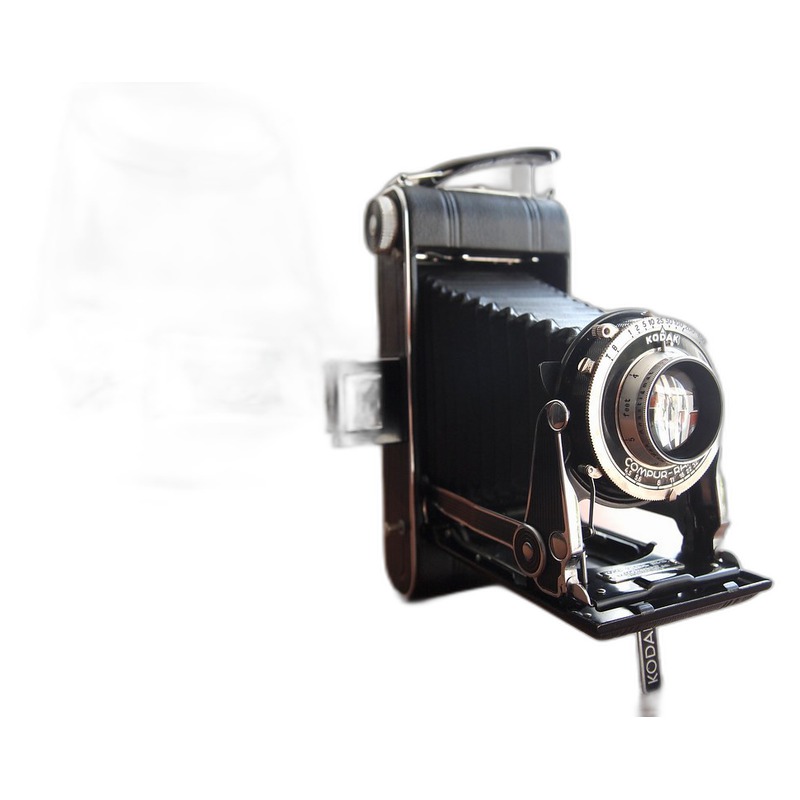
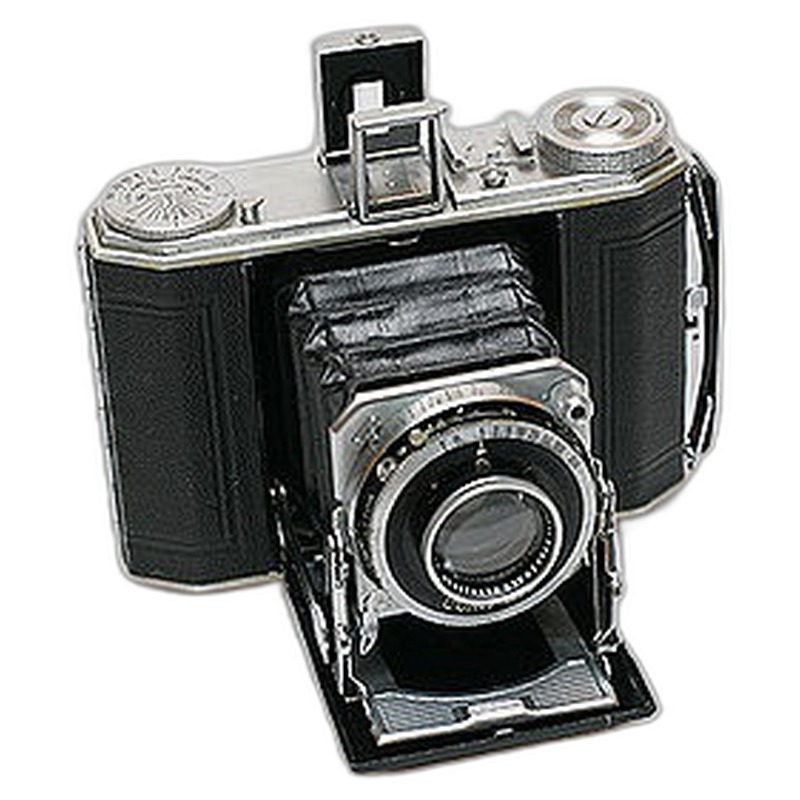
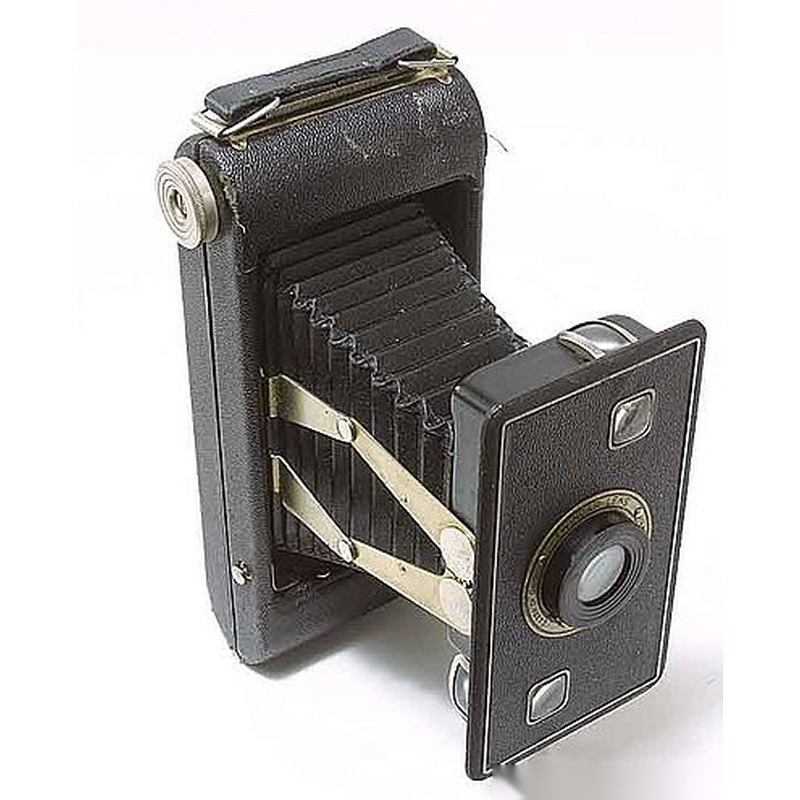
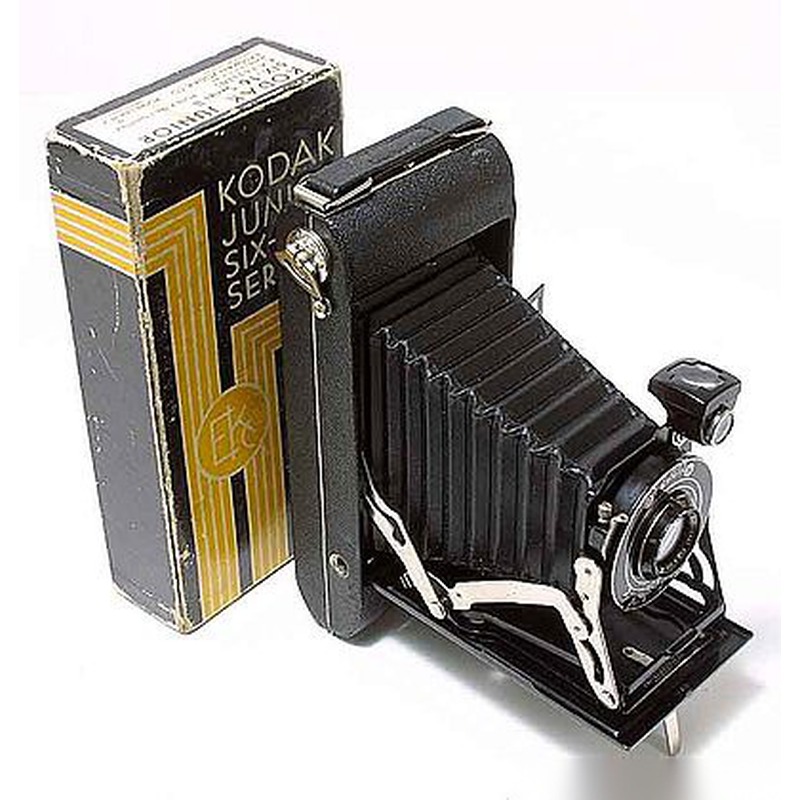
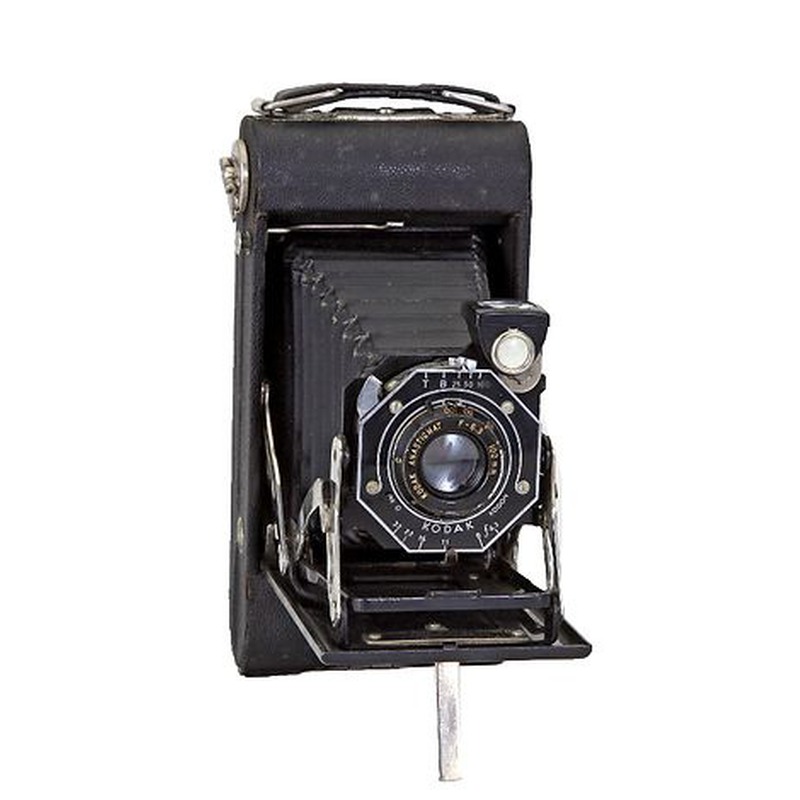
The Kodak Special Six 16 was a 35mm camera produced by Kodak between 1937 and 1939, representing the company's continued development of the 135 film format for amateur photographers. Utilizing the now-standard 35mm cassettes, it offered a convenient and increasingly popular film size for still photography during a period of significant growth in snapshot culture. While specific details about its exact features like shutter speeds or lens specifications are not readily documented, it can be surmised to be a basic, fixed-lens camera typical of Kodak's mid-range offerings at the time. The "Six 16" designation likely refers to its capability to shoot sixteen 6x6cm exposures per roll, a common format for 620 film cameras adapted to the smaller 35mm cassette, though the frame dimensions on 35mm film would have been smaller than 6x6cm. Positioned below Kodak's premium Retina line but above the most basic box cameras, it filled a niche for users seeking a more compact and sophisticated option than large format or folding medium cameras without the cost of advanced models.
As an early 35mm camera from Kodak, the Special Six 16 holds a place in the timeline of popularizing the 135 format, though it wasn't a groundbreaking design. Its existence reflects Kodak's strategy to cater to the growing amateur market with increasingly portable film options. While not featuring the innovations or enduring legacy of some Kodak contemporaries or competitors, it remains an example of the practical, mass-market film cameras that defined everyday photography in the late 1930s, bridging the gap between Kodak's heritage in roll film and the burgeoning era of small-format cameras.
Specifications
| Film Format | 135 |
 Enjoy this museum? Support on Ko-fi