Pricing
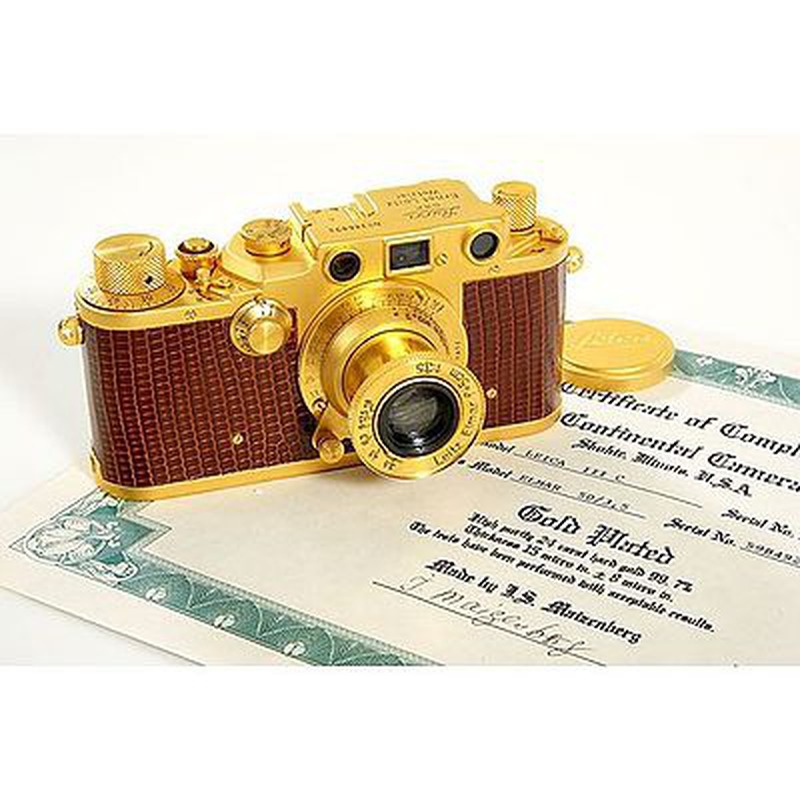
Leica IIIc red curtain
Leica · Germany · 1940–1951 (11 years) · 135 film
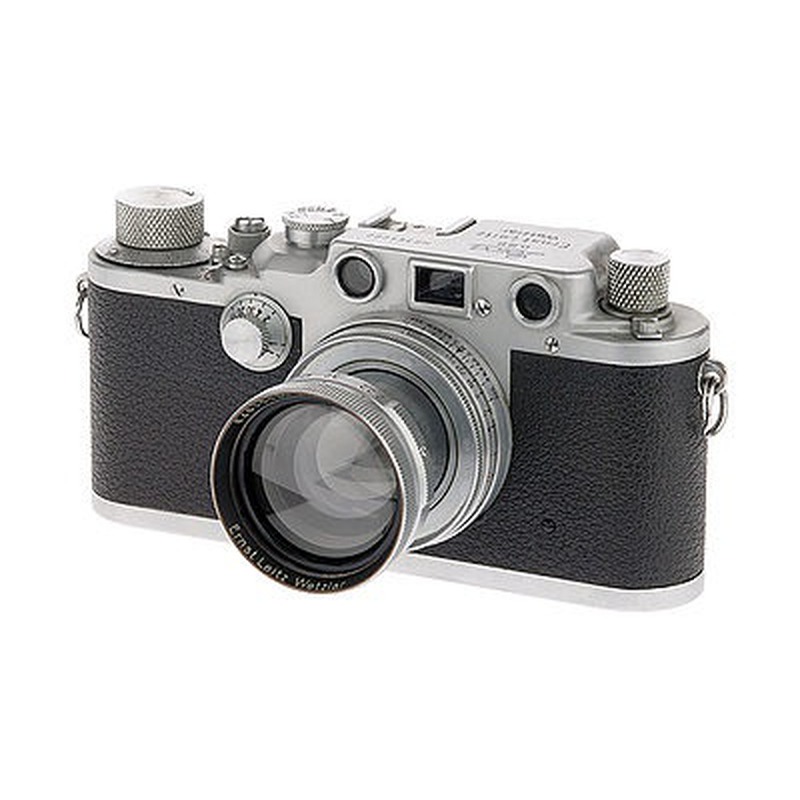
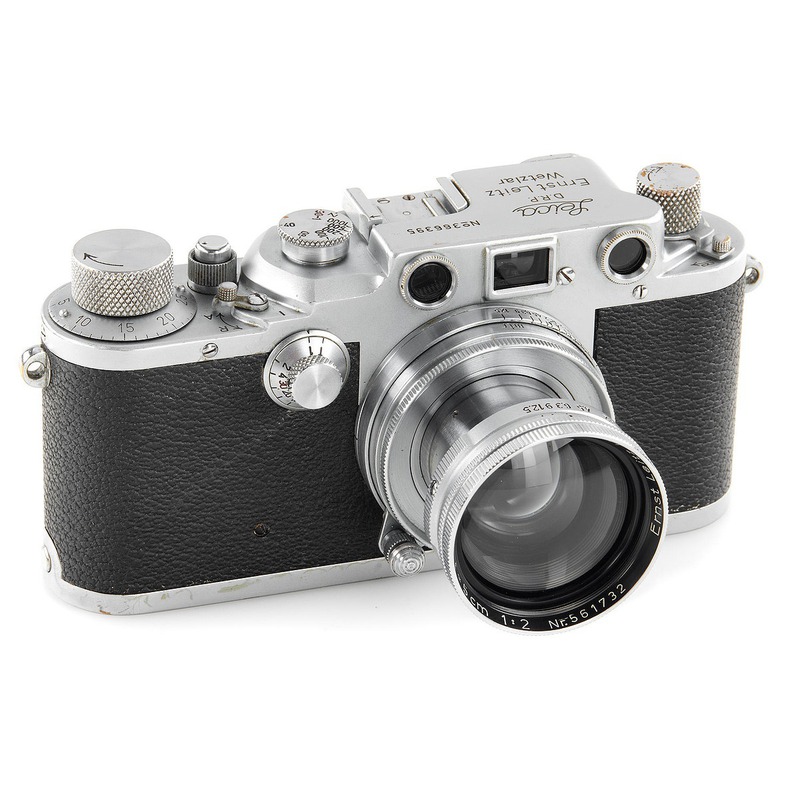
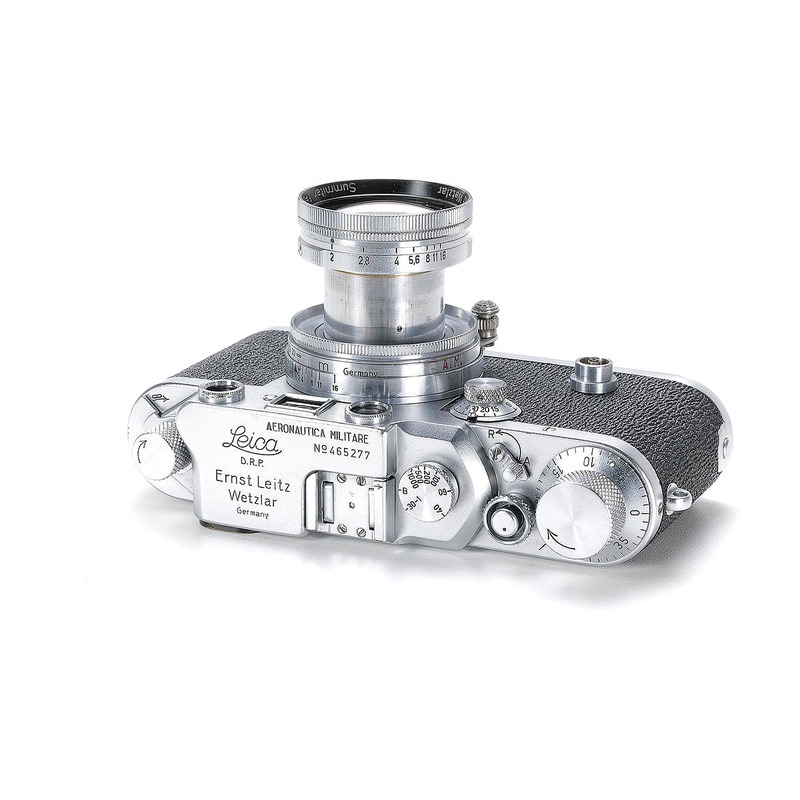
The Leica IIIc red curtain, manufactured from 1940 to 1951, represents a significant evolution in the classic Leica rangefinder line. It was the first Leica camera constructed almost entirely of die-cast aluminum, a crucial innovation driven by material shortages and the need for lighter, more durable bodies during World War II. This material change reduced weight while maintaining robustness, making it a practical tool for photojournalists and photographers operating in demanding conditions. Featuring Leica's signature coupled rangefinder and precision focal-plane shutter with speeds from 1 to 1/500 second (plus 'Z' for bulb), the IIIc embodied the reliability and optical excellence expected of the brand. Its production spanned a turbulent period, seeing service during the war and becoming a ubiquitous post-war documentary camera, favored by professionals like Robert Capa for its unobtrusive nature and dependability. The red curtain itself was a simple color variant of the standard black focal-plane shutter curtain.
While not introducing groundbreaking technological leaps like some later models, the IIIc refined and perfected the established Leica formula for the mid-century era. Its aluminum construction set a precedent for future models and significantly influenced camera design. It served as a critical workhorse, embodying the "reportage" ethos of small, portable, high-quality cameras. Its production run, continuing into the early 1950s, cemented its status as a reliable tool for countless photographers documenting the world. The IIIc red curtain is a prime example of Leica's commitment to build quality and mechanical precision during a challenging historical period.
Specifications
| Film Format | 135 |
_'W.H.'_(Wehrmacht_Heer)/main.jpg)
/main.jpg)
 Enjoy this museum? Support on Ko-fi