/main.jpg)
Pricing
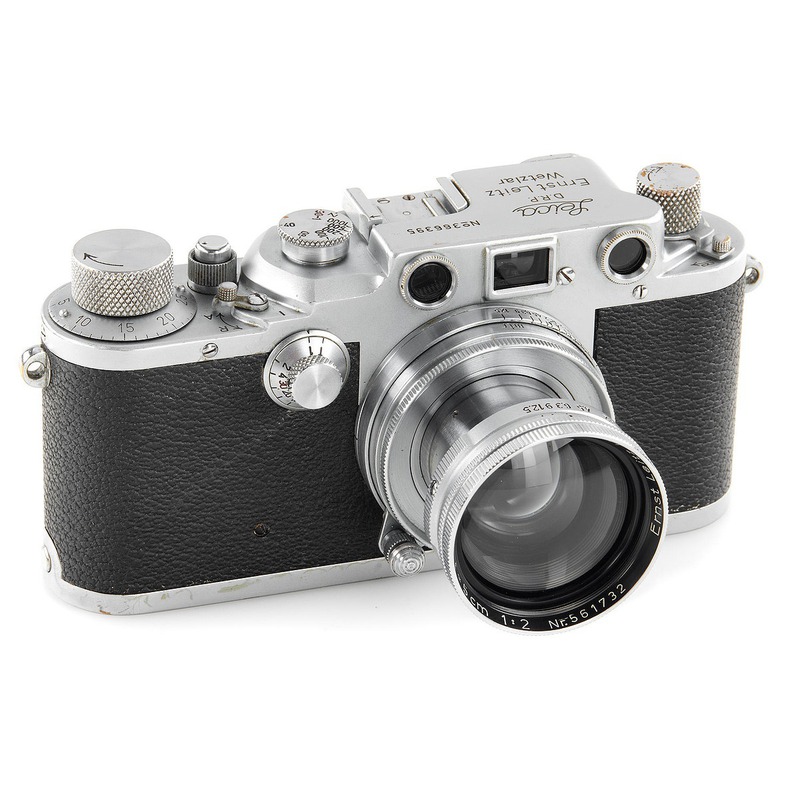
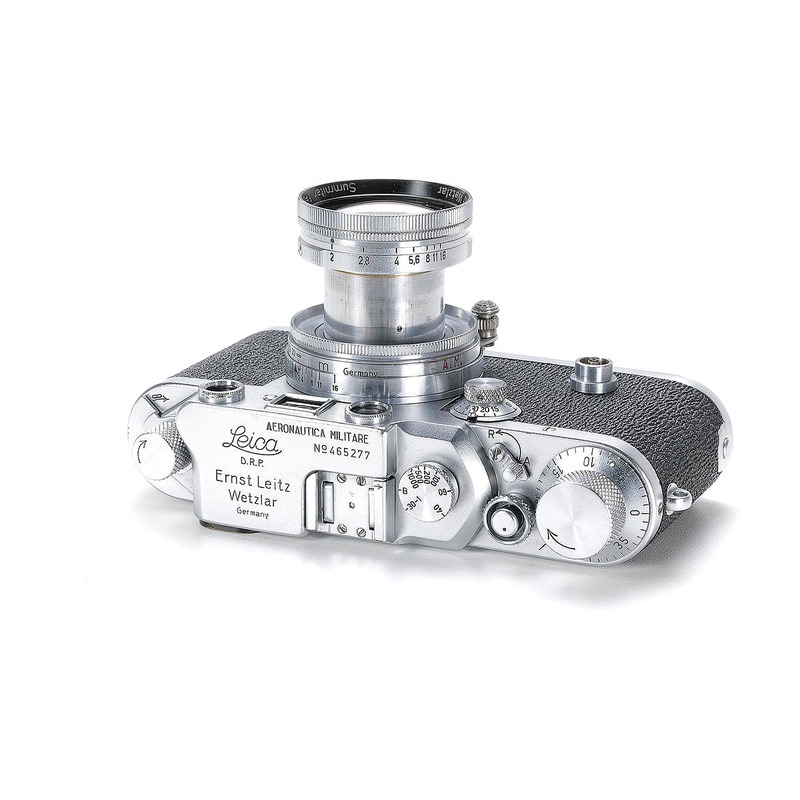
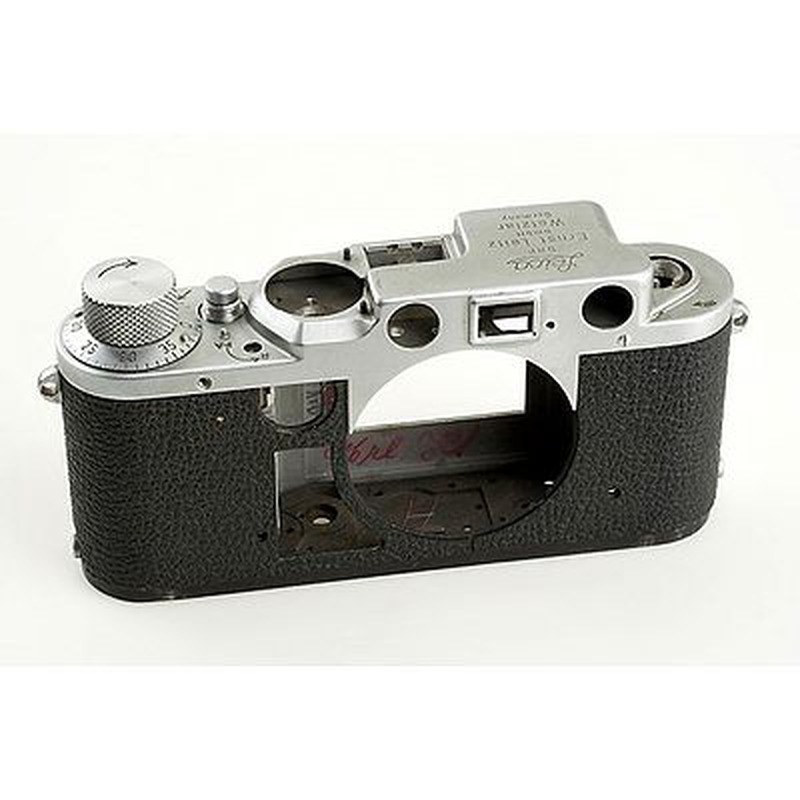
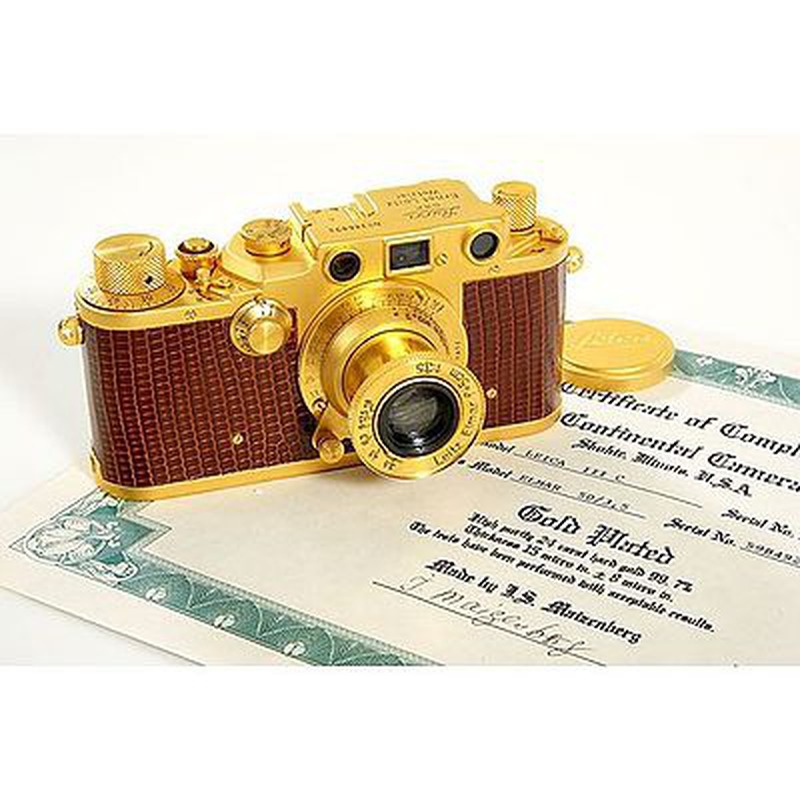
Leica IIId (w/MOOLY-C)
Leica · Germany · 1940–1945 (5 years) · 135 film
The Leica IIId (w/MOOLY-C) represents a critical juncture in 35mm photography history, emerging during World War II (1940–1945) as part of Leica’s legendary II series. This model, distinguished by its combined viewfinder and rangefinder (MOOLY-C), continued Leica’s tradition of precision engineering despite wartime constraints. The camera’s compact, all-metal body housed a robust coupled rangefinder and a focal-plane shutter, offering shutter speeds from 1 to 1/500 second—features that made it a favorite among photojournalists and correspondents navigating the demands of conflict zones. Its reliability and quiet operation allowed photographers like Robert Capa to capture iconic, unobtrusive images, cementing the Leica II series as a standard for handheld documentary photography during one of the 20th century’s most turbulent periods.
Produced in limited numbers due to material shortages and the redirection of industrial resources, the IIId embodied Leica’s commitment to quality even amid adversity. The MOOLY-C viewfinder provided a bright, magnified image with parallax correction, enabling accurate focusing and framing—a technological refinement that set Leica apart from competitors. Though overshadowed by later models like the Leica IIIg, the IIId’s design directly influenced the evolution of 35mm rangefinder cameras, underscoring Leica’s role in popularizing 35mm film as a viable medium for professional and artistic use. Today, surviving units are prized for their mechanical integrity and historical provenance, serving as artifacts of an era when portability and discretion redefined photojournalism.
Specifications
| Film Format | 135 |
_'W.H.'_(Wehrmacht_Heer)/main.jpg)
/main.jpg)
 Enjoy this museum? Support on Ko-fi