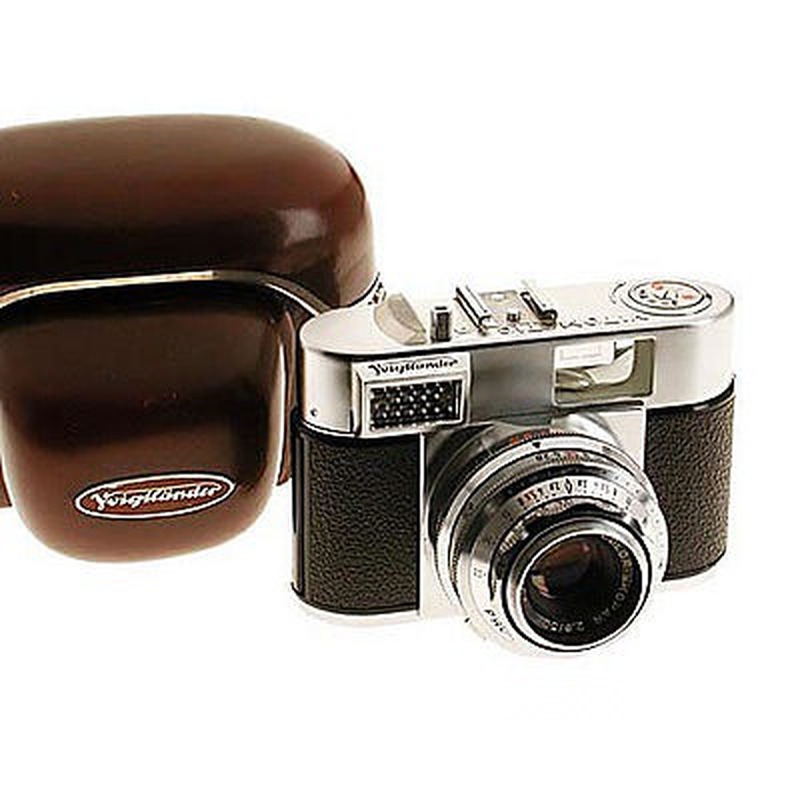
Voigtlander Vitomatic Ia
Voigtlander · Germany
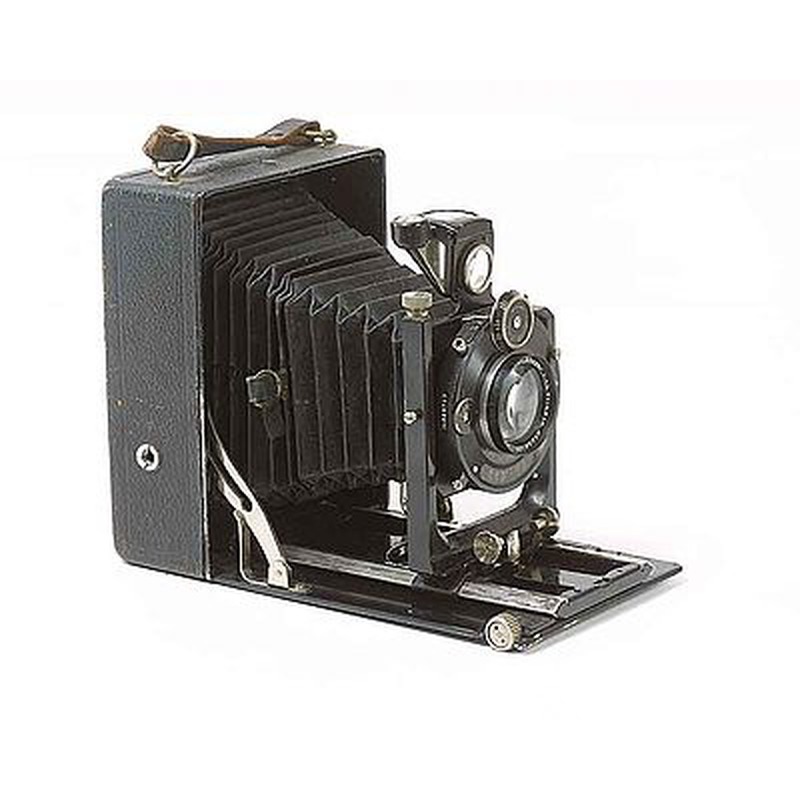
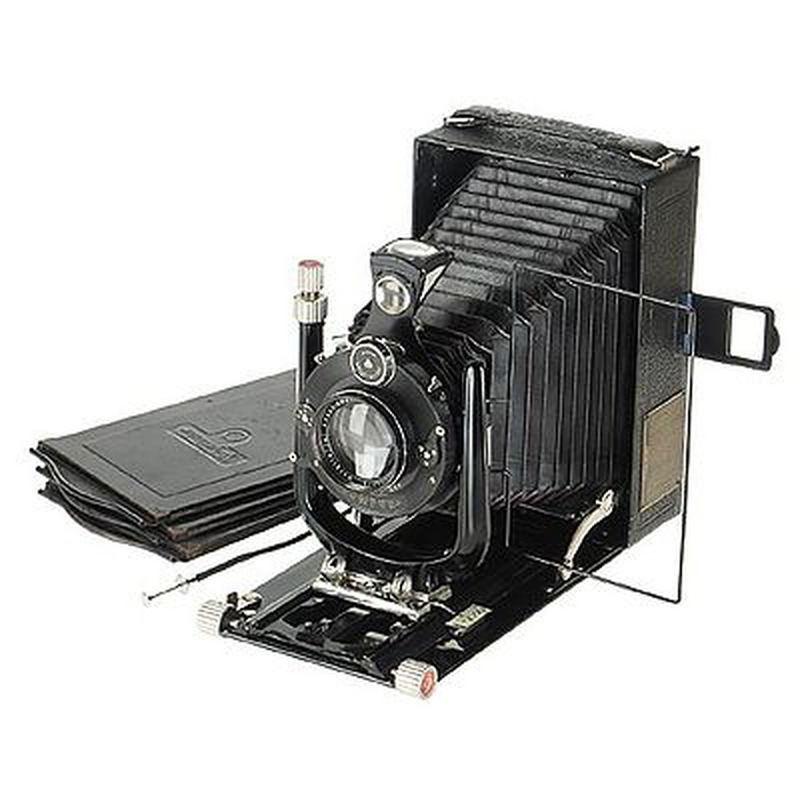
The Vitomatic Ia represents a significant chapter in mid-20th century German camera manufacturing, specifically Voigtlander's effort to produce a sophisticated yet accessible 35mm rangefinder camera for the burgeoning consumer market. Part of Voigtlander's influential Vitomatic series introduced in the early 1950s, the Ia model offered features typically found in more expensive cameras, such as a coupled rangefinder for accurate focusing and an integrated selenium light meter to simplify exposure. This combination positioned it alongside contemporary offerings from makers like Zeiss Ikon and Kodak, aiming to democratize the experience of using high-quality, small-format film. While not reaching the iconic status of Leica M3 or Nikon F, the Vitomatic Ia demonstrated Voigtlander's engineering prowess and optical excellence, bringing reliable German craftsmanship to a wider audience seeking a step-up from simpler box or viewfinder cameras. Its design reflected the era's practical aesthetic, prioritizing function and ease of use over bold styling, making it a practical tool for photography enthusiasts.
Essentially, the Vitomatic Ia was a well-engineered workhorse designed for photographers who wanted the precision of a coupled rangefinder and metering without the premium cost of a top-tier Leica or Contax. Voigtlander leveraged its reputation for superb lenses (though the standard lens for the Ia was likely a Color-Skopar or similar, not the Heliar) to create a competitive package. It utilized the reliable Compur or Prontor shutter mechanisms common to the period and was constructed from durable materials like metal, ensuring good build quality for its class. The camera served its purpose effectively during the 1950s and early 1960s, contributing to the popularization of 35mm photography as an accessible hobbyist format, though it did not introduce groundbreaking innovations beyond integrating existing technologies into an affordable, user-friendly package. Its legacy lies in being a representative example of solid mid-tier German engineering from a golden era of camera production.
/main.jpg)
 Enjoy this museum? Support on Ko-fi