Pricing
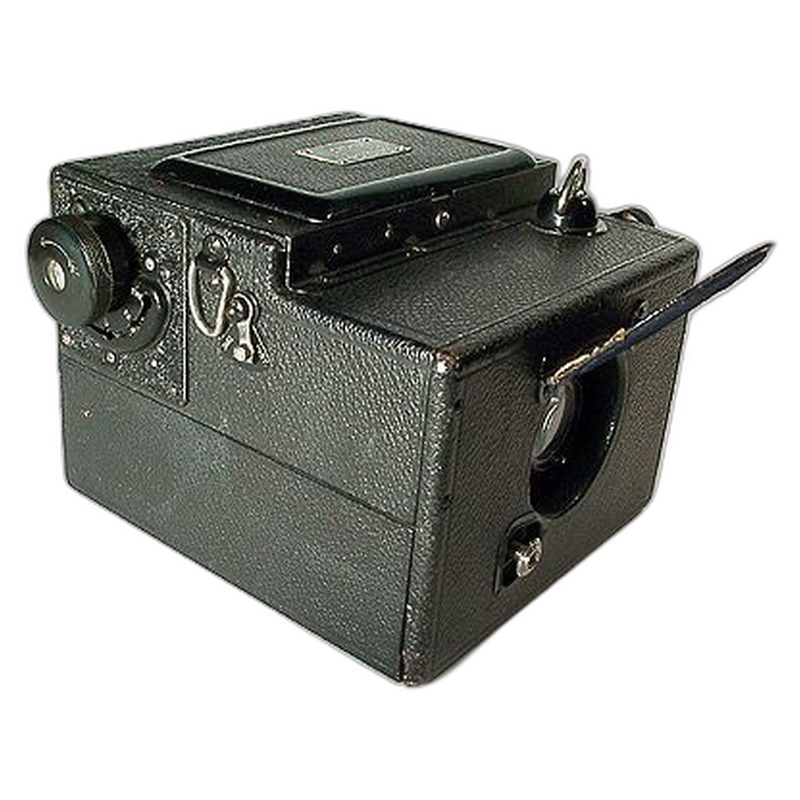
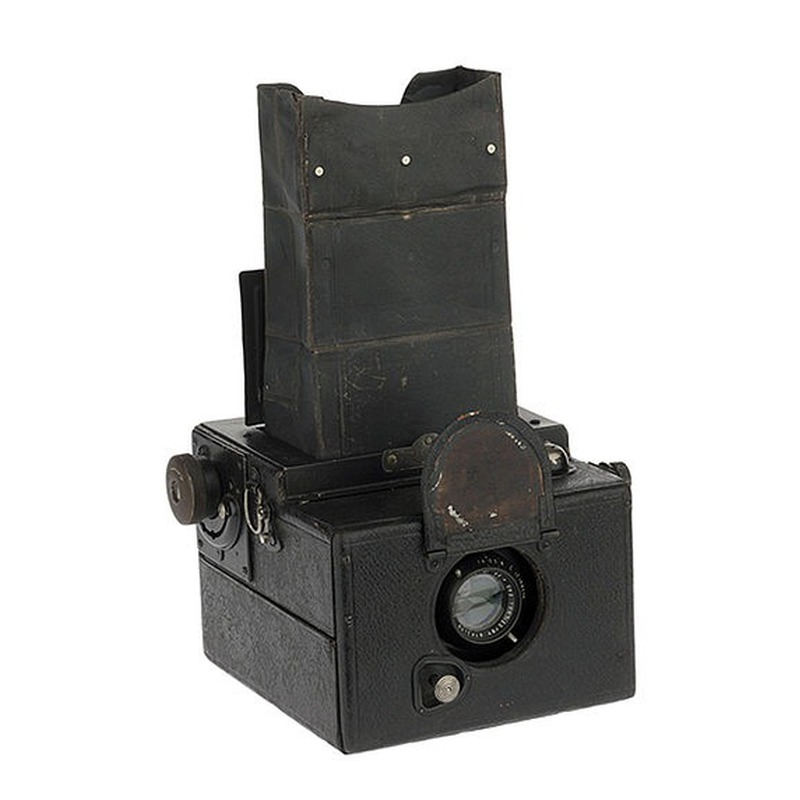
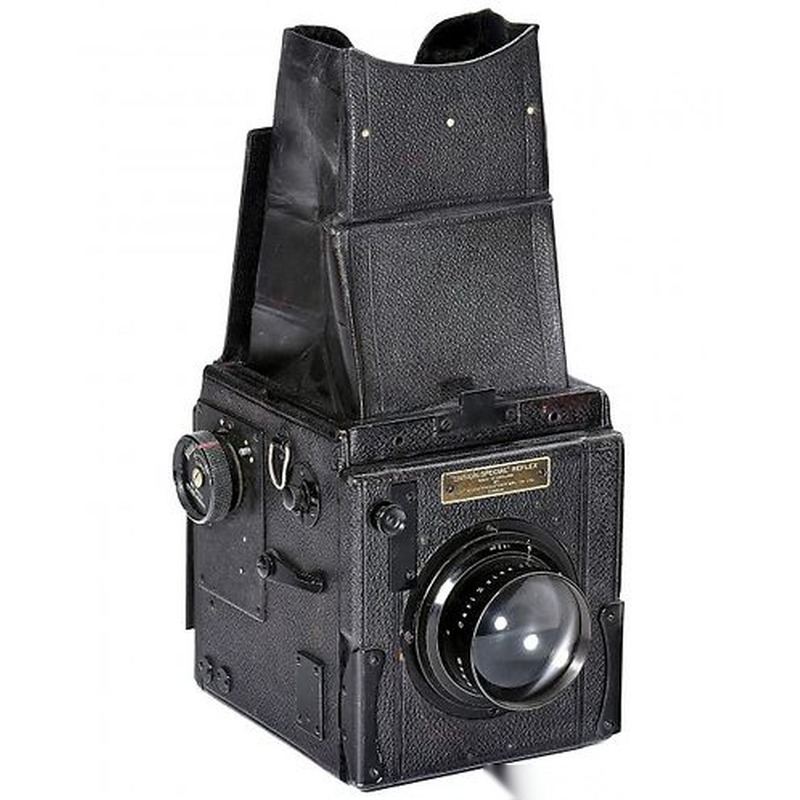
Houghton Ensign Speed Film Reflex
Houghton · UK · 1929 · 135 film
Introduced in 1929, the Ensign Speed Film Reflex represents Houghton's significant entry into the burgeoning 35mm still camera market, coinciding with a period of intense innovation in miniature photography. Marketed alongside competitors like the Leica I, it offered British photographers a domestic option for the emerging 135 cartridge format. As a "reflex" model, it likely featured a ground glass focusing screen viewed through a reflex viewing system, a distinctive feature for its time that differentiated it from simpler viewfinder or rangefinder cameras. Its design, incorporating this focusing mechanism, positioned it as a camera intended for serious amateur photographers seeking greater precision in composition and focus compared to contemporary non-reflex models.
While not achieving the legendary status of some contemporaries, the Ensign Speed Film Reflex holds notable historical importance as an early and tangible example of British engineering attempting to compete in the high-quality 35mm arena pioneered by German firms. Its existence highlights the global spread and commercialization of 35mm technology during the late 1920s, just before the onset of the Great Depression. Constructed to a reasonable standard for its era, it provided a functional, albeit likely complex and potentially delicate, platform for using the compact 135 film format outside the professional press market.
Specifications
| Film Format | 135 |
/main.jpg)
/main.jpg)
/main.jpg)
 Enjoy this museum? Support on Ko-fi