Pricing
Houghton Ensign Focal Plane Rollfilm Reflex
Houghton · UK · 1929 · 135 film
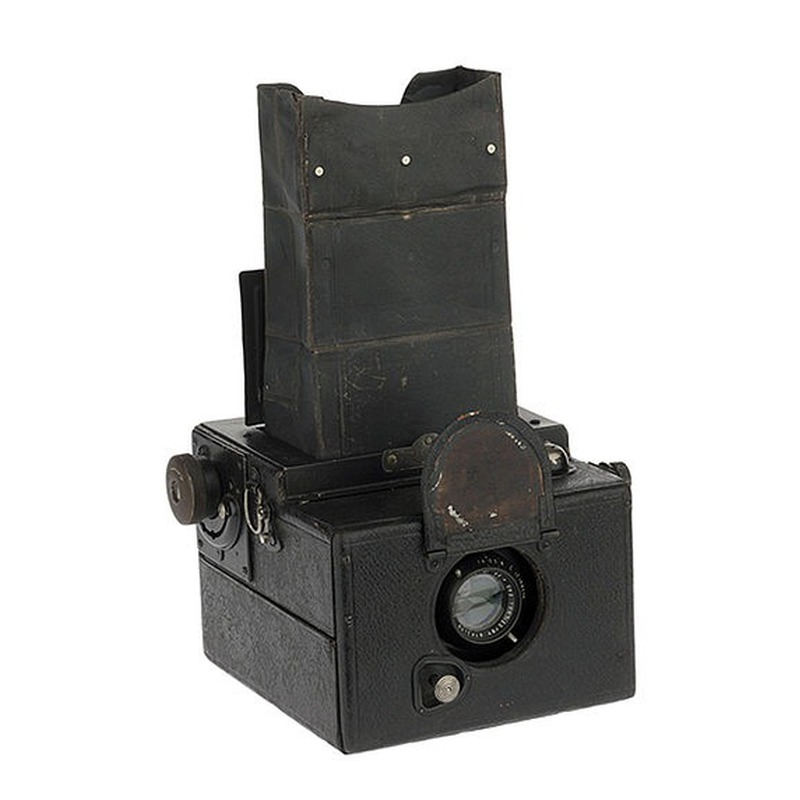
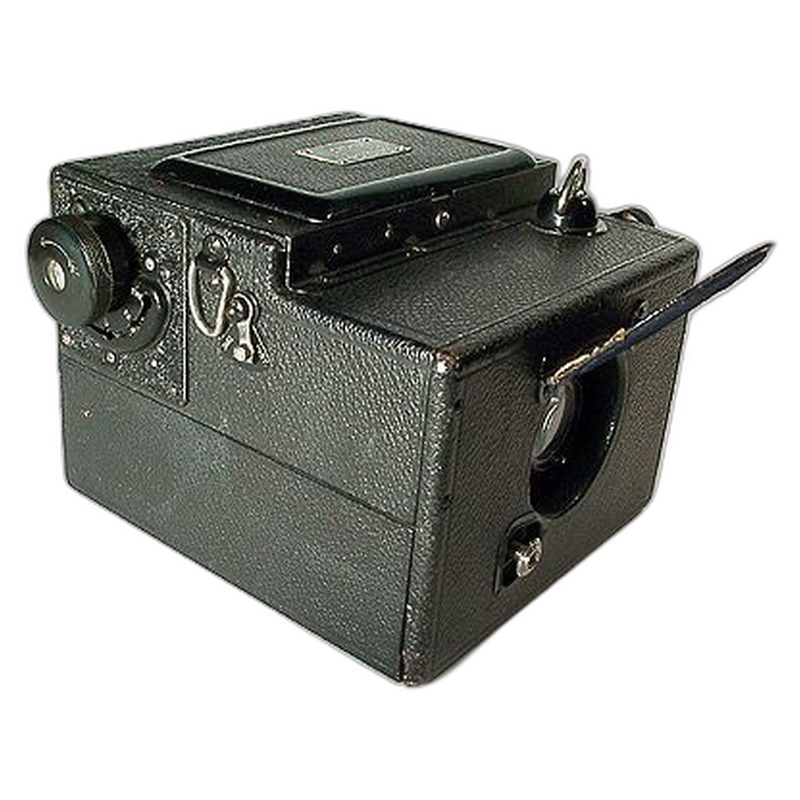
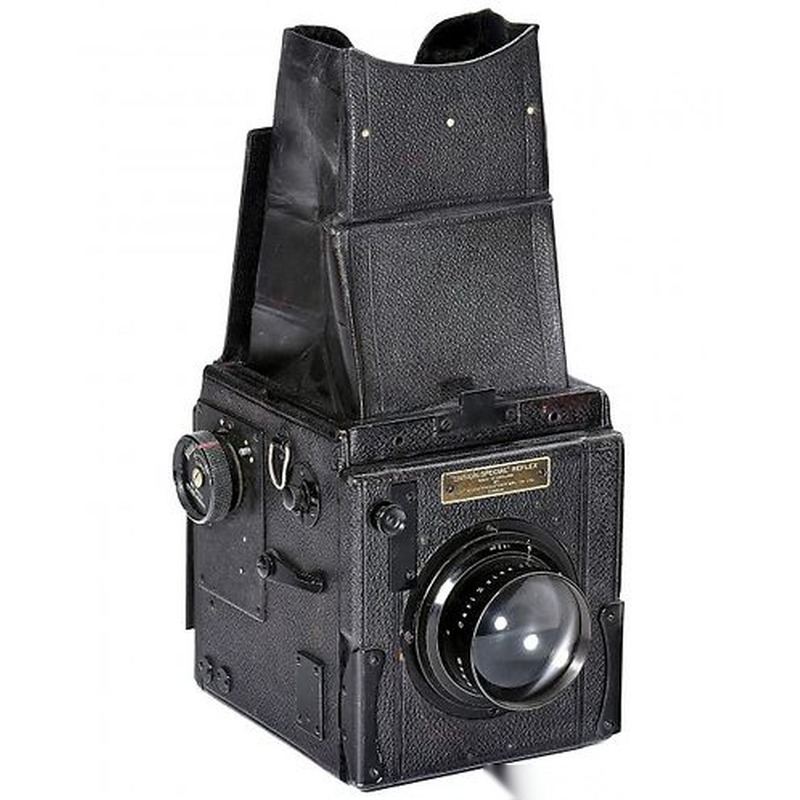
Introduced in 1929, the Ensign Focal Plane Rollfilm Reflex represents an early British attempt at a professional-grade 35mm camera, utilizing the nascent 135 format film standard. Its defining characteristic is the focal plane shutter system, enabling high shutter speeds and interchangeable lenses, a feature borrowed from larger format cameras but adapted for the smaller frame size. Crucially, it incorporated a reflex viewing system via a ground glass screen at the film plane, providing the photographer with a direct, parallax-free view of the subject through the taking lens, a significant advancement in 35mm design at the time. This aimed to combine the precision and control associated with larger formats with the compactness and convenience of 35mm, targeting photographers who desired high-quality results in a portable package. While not the very first 35mm camera (preceded by models like the Leica I), the Ensign Focal Plane Rollfilm Reflex was an innovative British entry into the burgeoning 35mm market, showcasing engineering ambition and the desire to adapt professional photographic principles to this emerging format.
The camera's core features centered around its robust focal plane shutter mechanism and its reflex viewing system. It likely offered a range of interchangeable lenses, common in cameras of this type, allowing photographers flexibility in composition. Ground glass focusing, while offering critical accuracy, could be slower and less convenient than future rangefinder or eye-level systems common later in the 35mm evolution. Constructed primarily from metal, it presented a substantial build quality typical of professional-oriented equipment of the late 1920s. However, the complexity of the focal plane shutter and reflex mechanism, combined with the relative infancy of 35mm technology, likely made it somewhat expensive and potentially less reliable than simpler cameras. Its significance lies in its early adoption of the reflex viewing concept for 35mm and its position within the competitive market of the late 1920s, demonstrating British innovation alongside established German manufacturers.
Specifications
| Film Format | 135 |
/main.jpg)
/main.jpg)
/main.jpg)
 Enjoy this museum? Support on Ko-fi