/main.jpg)
Canon J II (Seiki Kogaku)
Canon · Japan
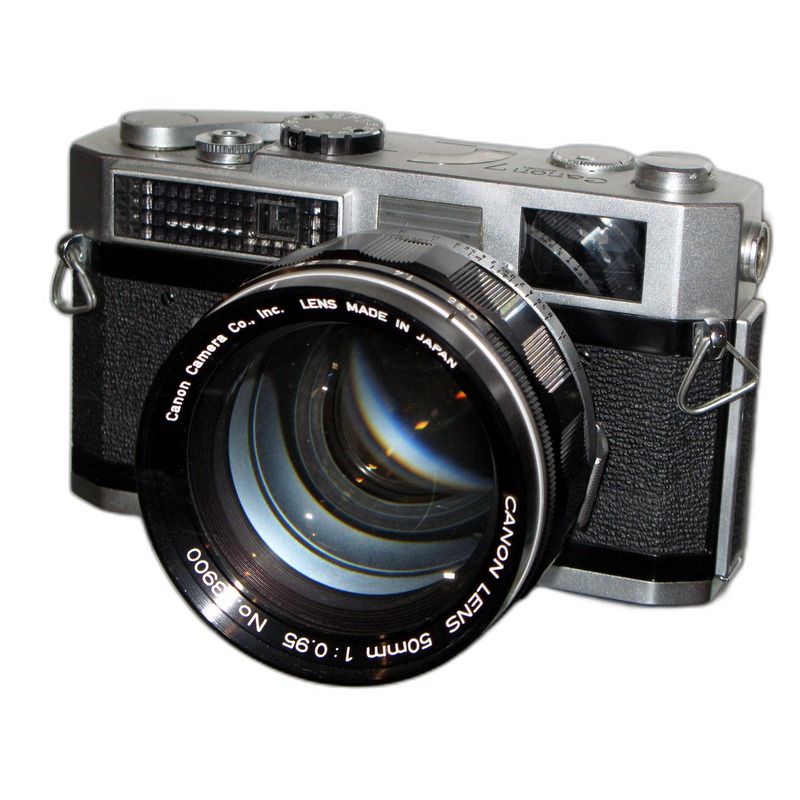
The Canon J II (Seiki Kogaku) represents Canon's post-World War II effort to re-establish its presence in the consumer market. Following the initial Canon J model, the J II was a basic, entry-level 35mm rangefinder camera, likely produced in the late 1940s or early 1950s. It embodies Canon's practical approach during this rebuilding phase, focusing on affordability and reliability for the amateur photographer rather than cutting-edge innovation. Presumably sharing the character of its siblings, it offered a straightforward shooting experience with a coupled rangefinder for focusing and a simple shutter speed and aperture control system, making it accessible to the general public.
Designed for ease of use and basic functionality, the J II maintained Canon's reputation for solid engineering in its lower-tier products. It featured a fixed or simple interchangeable lens system, utilizing Canon's early standard lenses. While lacking the advanced features or distinctive styling of later iconic Canons like the Canonet QL17 or the F-series SLRs, the J II played a crucial role in Canon's market development. It helped rebuild the brand's reputation, provided a practical tool for everyday photography, and represented a significant step in Canon's journey from its Seiki Kogaku origins towards becoming a major camera manufacturer.
 Enjoy this museum? Support on Ko-fi