/main.jpg)
Pricing
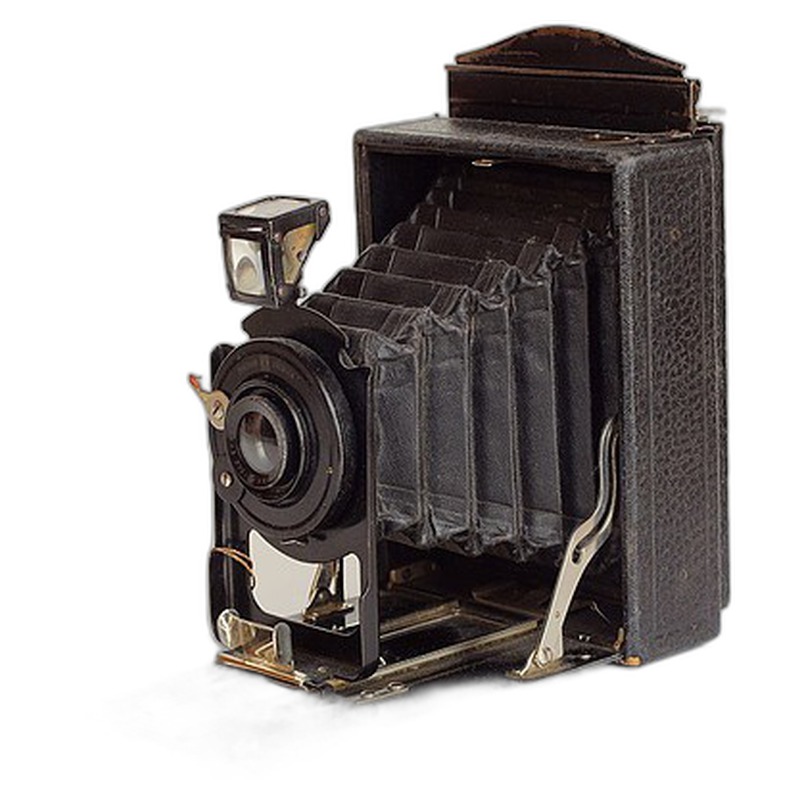
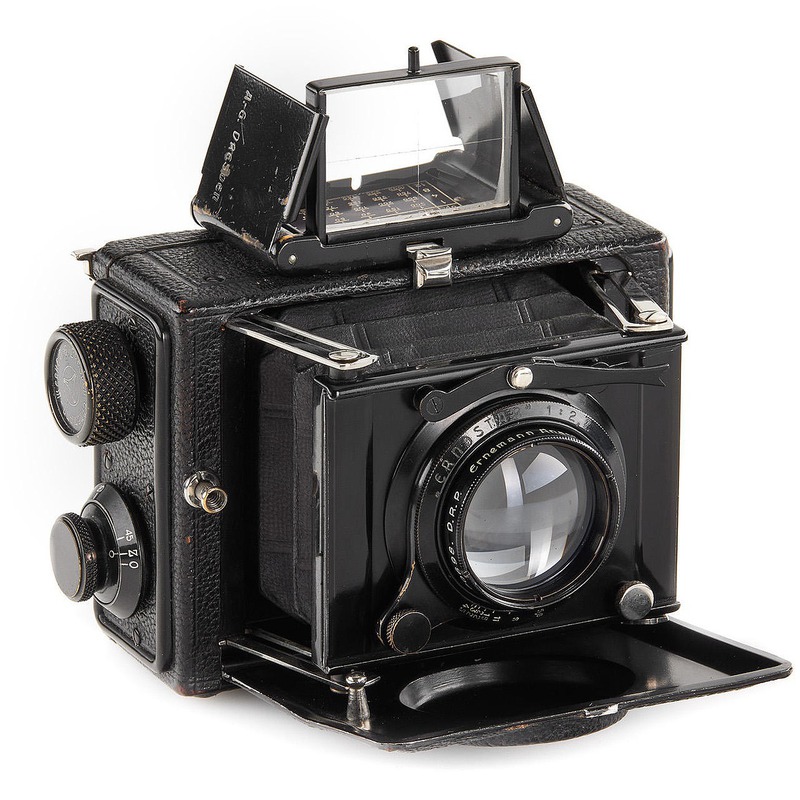
Ernemann Klapp-Reflex (single extension)
Ernemann · Germany · 1913–1919 (6 years) · 135 film
The Klapp-Reflex (single extension) represents Ernemann's entry into the emerging 35mm format during the challenging years of World War I. As a folding camera, it featured a simple but functional design centered around a single extension bellows system, providing basic focusing range for amateur photographers. Utilizing the standardized 135 film cassette, it offered a compact solution compared to larger plate or roll-film cameras of the era. While lacking the innovative impact of later 35mm pioneers, this model demonstrates Ernemann's adaptation to smaller formats during a period of significant transition in photography technology. Its production spanned from 1913 through 1919, likely reflecting both pre-war optimism and the constraints of wartime manufacturing.
The camera prioritizes practicality and affordability for the enthusiast market. The single extension bellows suggests a design focused on achieving moderate close-focusing capabilities without the complexity of multi-rail systems, making it accessible to users seeking a portable yet capable 35mm camera. Construction likely followed standard practices for folding cameras of the period, utilizing materials like metal for the chassis and bellows, combined with leatherette covering for protection and grip. Its design embodies the utilitarian approach common in consumer-grade equipment from this era, offering a functional tool rather than a groundbreaking technical achievement.
Specifications
| Film Format | 135 |
/main.jpg)
/main.jpg)
/main.jpg)
 Enjoy this museum? Support on Ko-fi