_(2004)/main.jpg)
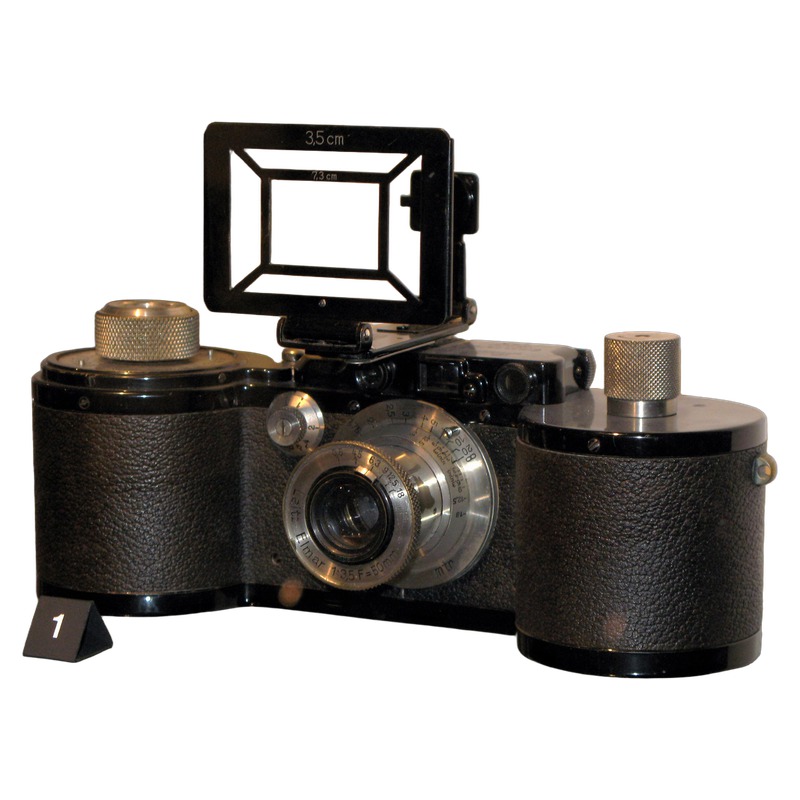
Leica O Series (0 Series, pre production) (2004)
Leica · Germany
The Leica O Series, often referred to as the Ur-Leica or 0 Series, represents the genesis point of the 35mm miniature camera revolution. Conceived and hand-built by Oskar Barnack around 1923-1924 at the Ernst Leitz optical factory in Wetzlar, Germany, this pre-production camera was primarily Barnack's personal testbed for the concept of using standard 35mm motion picture film for high-quality, handheld photography. While not initially intended for commercial sale, its successful development paved the way for the Leica I (Model A), launched in 1925. Barnack meticulously crafted these earliest examples, likely numbering only around 25 units, each a unique prototype featuring experimental mechanics and optics. The introduction of a coupled rangefinder and the compact, durable design were radical innovations that fundamentally altered photographic practice, enabling photographers like Erich Salomon to pioneer candid, documentary photography unburdened by bulky equipment. These 0 Series cameras are the direct ancestors of the most influential photographic system of the 20th century.
The surviving examples of the Leica 0 Series are profoundly significant artifacts, not merely as cameras but as tangible pieces of photographic history. They embody the ingenuity of Oskar Barnack and the engineering prowess of Leica, demonstrating the practical feasibility of what was then a radical format. Their rarity and status as the first true 35mm cameras make them immensely valuable historical touchstones, representing the moment when photography became truly portable and spontaneous. While lacking the mass production refinement of later models, their build quality reflects the exceptional craftsmanship Leica would become synonymous with, utilizing high-quality materials and precision engineering appropriate for their experimental, one-off nature. These cameras are not just functional objects; they are the foundational artifacts upon which modern 35mm and full-frame photography was built.
/main.jpg)
/main.jpg)
/main.jpg)
 Enjoy this museum? Support on Ko-fi