Pricing
Leicaflex
Leica · Germany · 1964–1968 (4 years) · 135 film
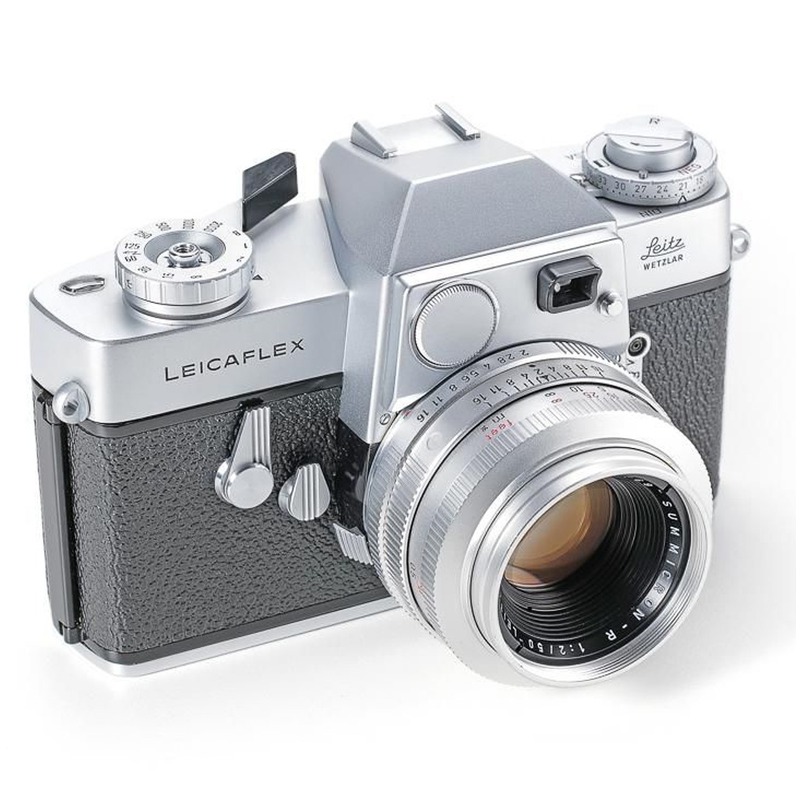
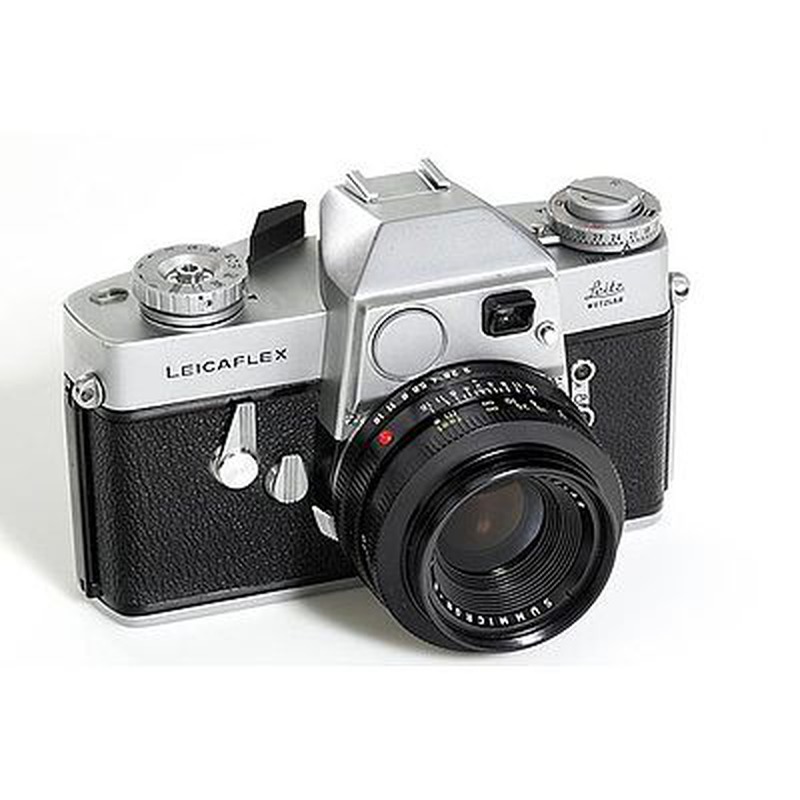
The Leicaflex marked Leica's first significant entry into the single-lens reflex market, introducing in 1964 a high-quality 35mm SLR camera designed to compete with established players like Nikon. As Leitz Camera's response to the growing popularity of SLRs, it featured the company's renowned precision engineering paired with a newly developed R bayonet lens mount that would become the foundation for Leica's R system for decades. The three models produced during its 1964-1968 run (Standard, SL, and SL2) represented Leica's commitment to bringing their quality standards to the SLR format, though the camera maintained the brand's characteristic conservative approach compared to more innovative Japanese contemporaries. Despite not achieving the same market dominance as Nikon's F series, the Leicaflex earned respect for its robust construction, excellent viewfinders, and the superb optical qualities of accompanying R lenses.
While the Leicaflex was overshadowed by more dynamic SLRs from Japanese manufacturers in terms of innovation and market share, it established a foothold for Leica in the professional SLR market and demonstrated the company's ability to apply its manufacturing expertise to reflex photography. The camera's mechanical precision and the development of the R bayonet system were important milestones in Leica's evolution beyond their famous rangefinder cameras. Professional photographers who valued the Leica name and lens quality but needed SLR capabilities gravitated toward the Leicaflex, establishing a niche that Leica would continue to develop with subsequent SLR models.
Specifications
| Film Format | 135 |
/main.jpg)
/main.jpg)
/main.jpg)
 Enjoy this museum? Support on Ko-fi