/main.jpg)
Pricing
Ernemann HEAG III (1924)
Ernemann · Germany · 1924–1925 (1 years) · 135 film
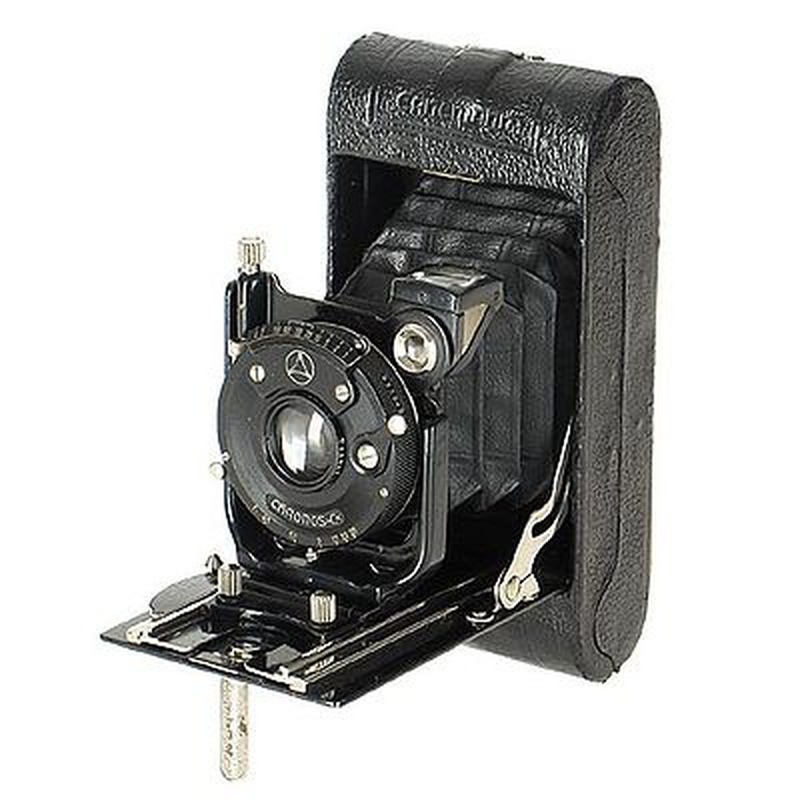
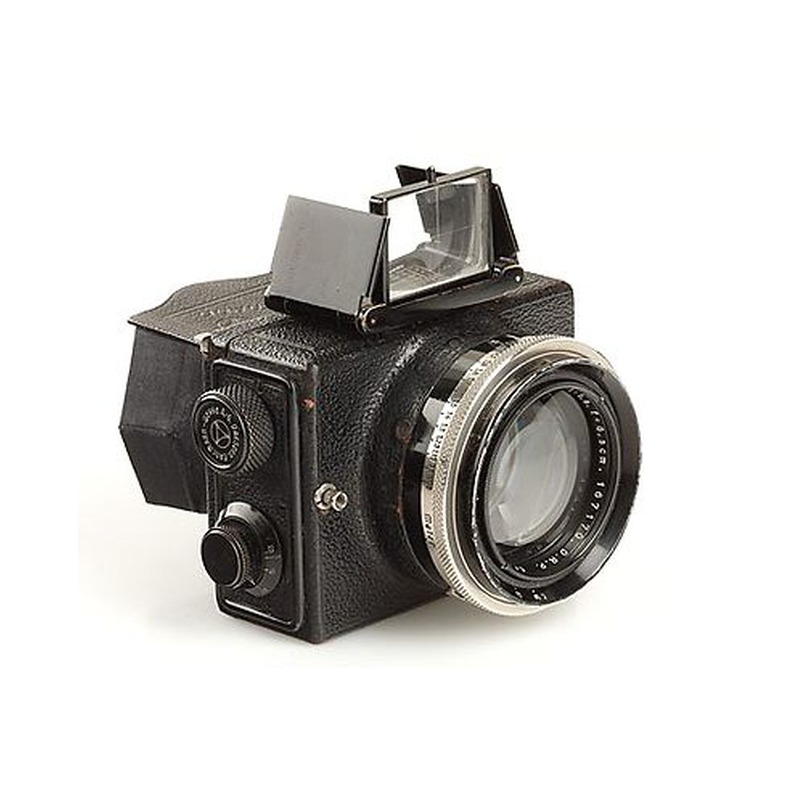
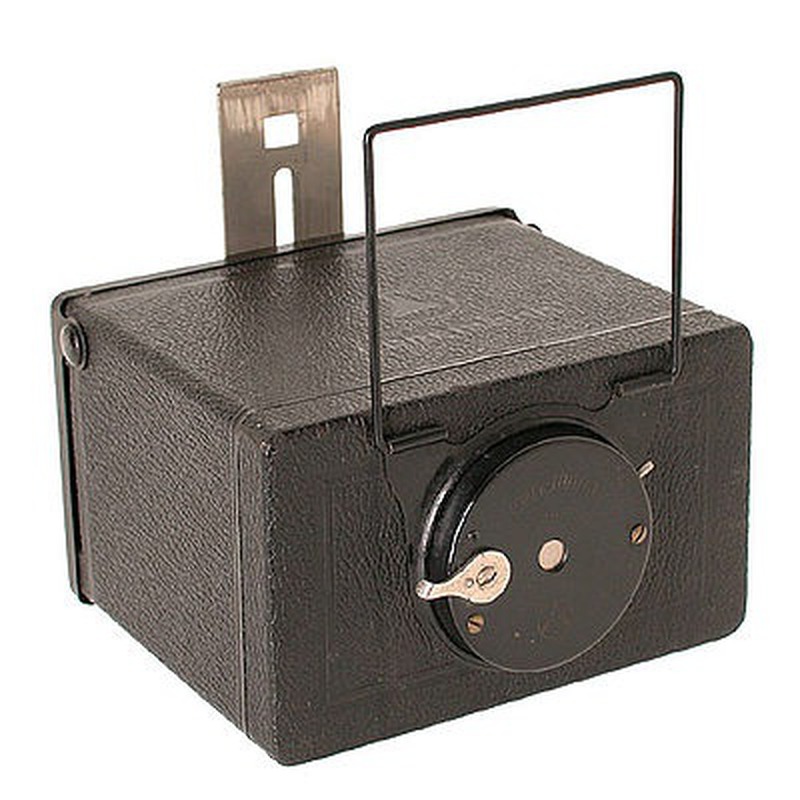
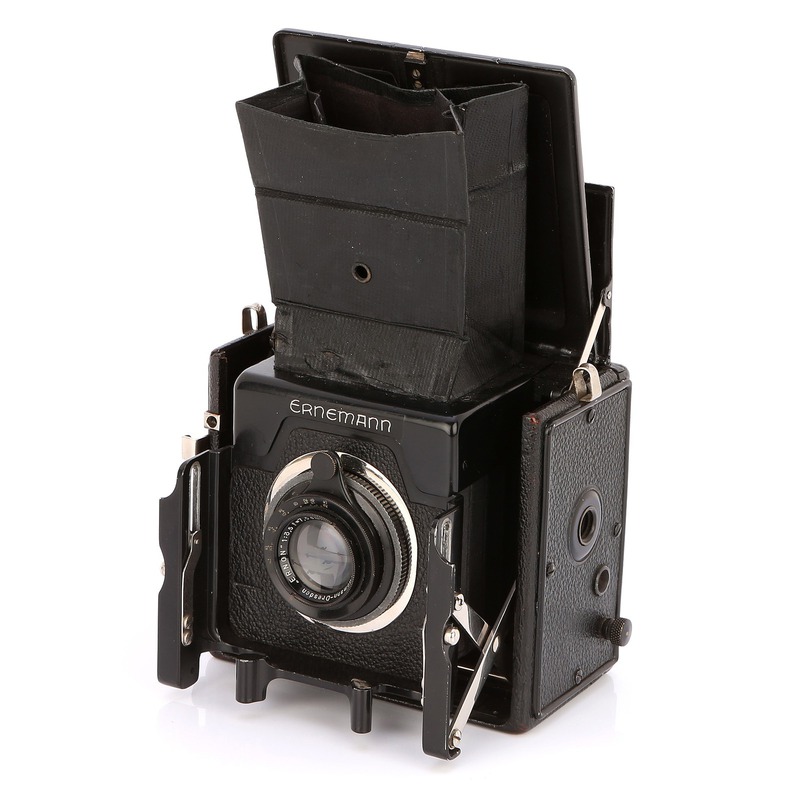
The HEAG III (1924) represents Ernemann's significant, though ultimately short-lived, entry into the burgeoning 35mm still photography market during the mid-1920s. As a camera produced for just one year (1924–1925), it arrived amidst intense competition from pioneering systems like the Leica I (launched 1925), positioning Ernemann as an early adopter of the small-gauge format for stills. While exact specifications are scarce without modern research, it was fundamentally a 35mm roll-film camera, utilizing the then-standard cinema film perforated to produce 24x36mm exposures—a format Ernemann embraced alongside its rivals. The HEAG III likely featured a coupled rangefinder for focusing and interchangeable lenses, reflecting the nascent technical expectations for serious compact cameras of its era. Its production tenure was notably brief, suggesting it may have struggled against the rapidly evolving market dominance of Leica or faced internal corporate shifts, as Ernemann merged into Zeiss-Ikon shortly after its discontinuation.
This camera holds importance primarily as a tangible artifact of the critical 1920s transition period when 35mm moved from purely cinematographic use towards becoming the dominant format for still photography. The HEAG III embodies the entrepreneurial efforts of established European optical manufacturers like Ernemann to adapt their expertise to this promising new field. While not cited as introducing revolutionary breakthroughs itself, its existence alongside other early contenders underscores the intense innovation and competition that drove the development of the modern 35mm camera system. It serves as a historical marker documenting the phase when the miniature camera was rapidly evolving from a novelty into a serious photographic tool, highlighting Ernemann's participation in this pivotal moment before its integration into the larger Zeiss-Ikon conglomerate.
Specifications
| Film Format | 135 |
/main.jpg)
/main.jpg)
 Enjoy this museum? Support on Ko-fi