Pricing
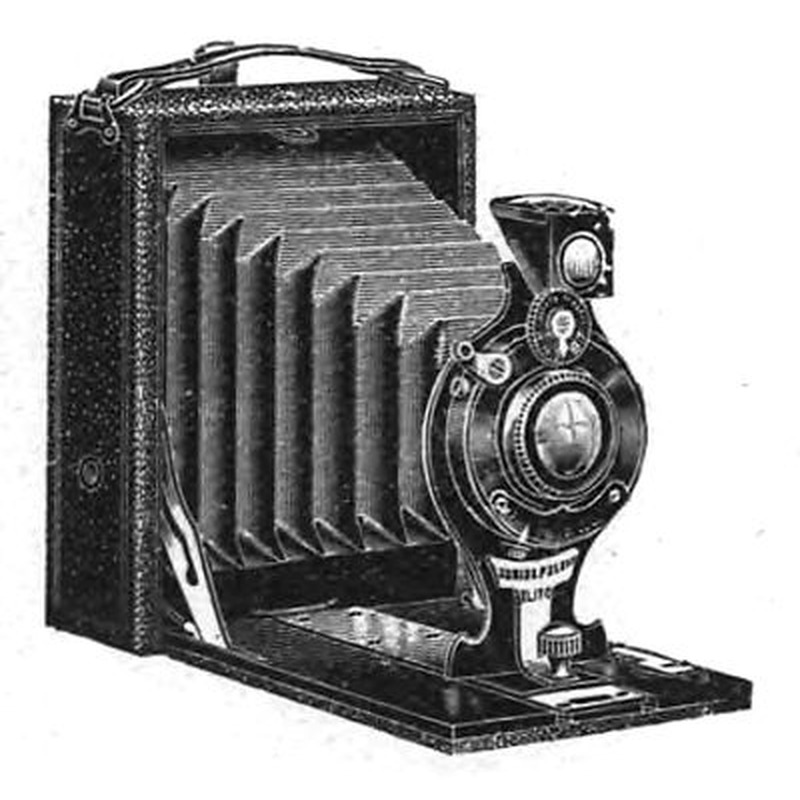
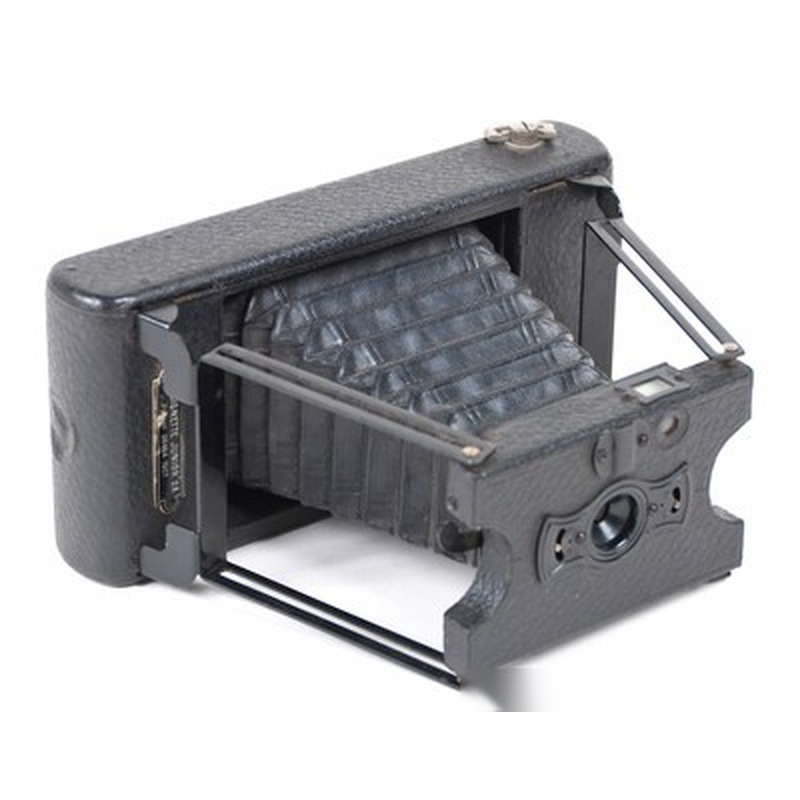
Houghton Folding Klito Junior
Houghton · UK · 1915 · 135 film
The Folding Klito Junior, introduced by Houghton in 1915, holds a notable place as one of the very earliest cameras designed to use 135 (35mm) film format. While predating the iconic Leica by over a decade, its folding body design aimed to offer portability and convenience for photographers experimenting with the smaller gauge film. Constructed with a bellows mechanism for compactness when folded open, it likely featured a simple metal body and basic lens/shutter arrangements typical of consumer cameras of its era. Its significance lies primarily in this pioneering application of 35mm film, demonstrating an early recognition of its potential for smaller, more portable cameras before it became the industry standard decades later. However, unlike later landmark 35mm cameras, the Klito Junior did not achieve widespread market dominance or revolutionize photographic practice, remaining a curious footnote in the early development of small format photography.
Its features align with the technological constraints and market expectations of the mid-1910s: probably equipped with a fixed focal length lens, a simple instantaneous shutter, and a direct optical finder. The use of 135 film was its most ambitious and forward-thinking aspect, placing it at the forefront of a format that would eventually dominate the 20th century. While perhaps not a masterpiece of engineering by later standards, it represents a significant early attempt by a British manufacturer to embrace the nascent 35mm format for the enthusiast or serious amateur market.
Specifications
| Film Format | 135 |
 Enjoy this museum? Support on Ko-fi