Pricing
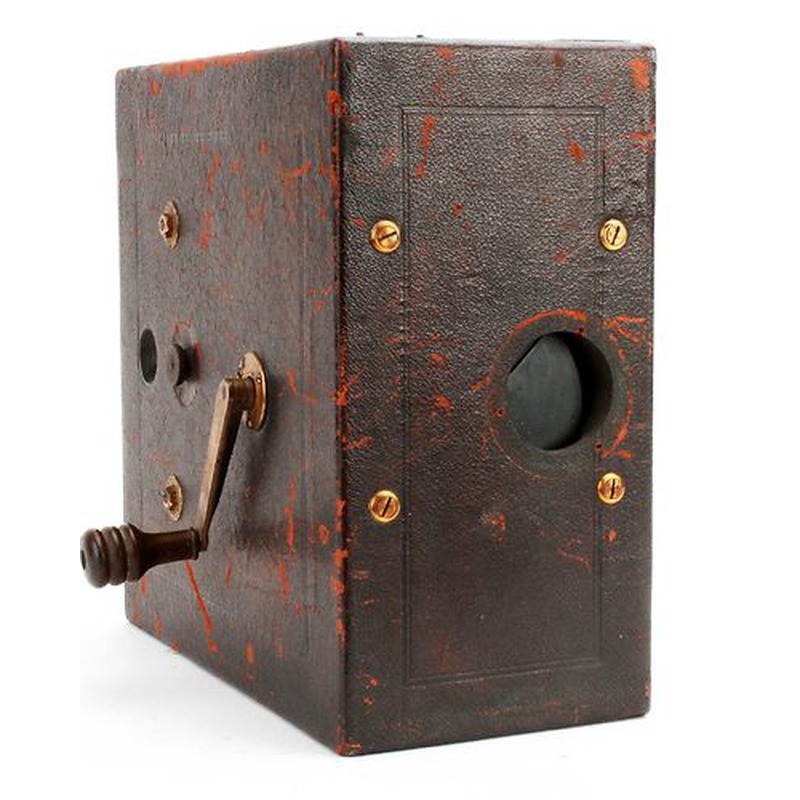
Houghton Ensign Cinematograph
Houghton · UK · 1914 · 135 film
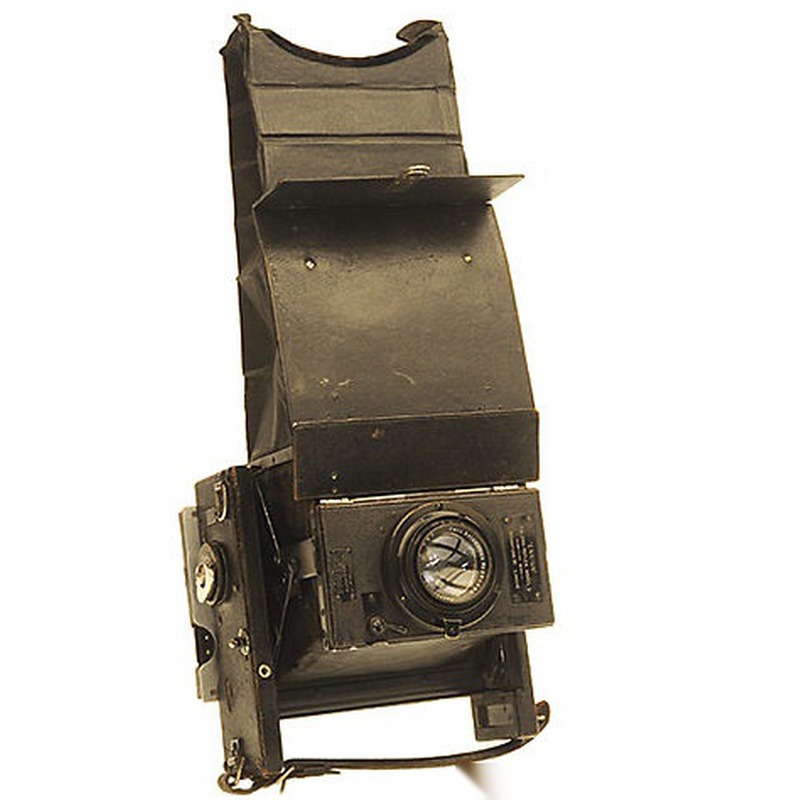
The Ensign Cinematograph, introduced by Houghton in 1914, represents an early example of 35mm motion picture camera technology. Manufactured during a formative period for cinema, this British-made camera utilized the 35mm film format that would later become standard for both motion pictures and still photography. Its development coincided with the burgeoning film industry, when cameras were transitioning from hand-cranked apparatuses to more sophisticated mechanisms. The Ensign Cinematograph, with its robust construction designed for professional cinematographers, embodies the engineering approach of early 20th century film equipment, featuring simple but effective mechanisms for recording moving images at a time when cinema was rapidly evolving from novelty to art form.
As a product of the Houghton company, a respected British optical manufacturer, the Ensign Cinematograph contributed to the technological foundation upon which later photographic innovations would build. While it predates the Leica I by over a decade and was not designed for still photography, its use of the 35mm format places it in the lineage of cameras that would ultimately revolutionize photography. The camera's design reflects the practical needs of early cinematographers, with features optimized for filming rather than still capture, making it a representative specimen of the professional motion picture equipment from the dawn of the film industry.
Specifications
| Film Format | 135 |
 Enjoy this museum? Support on Ko-fi