Pricing
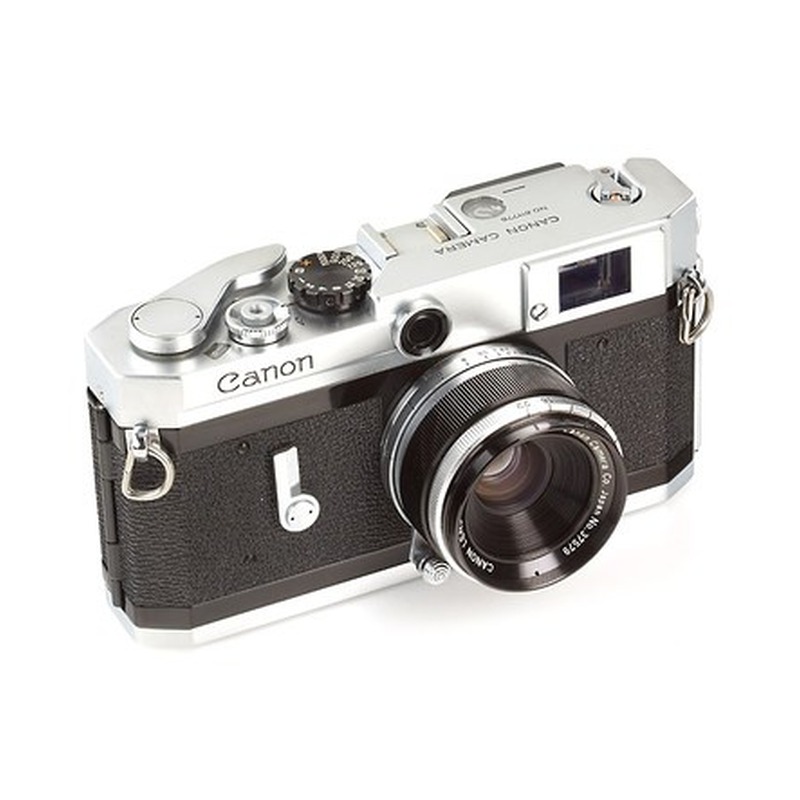
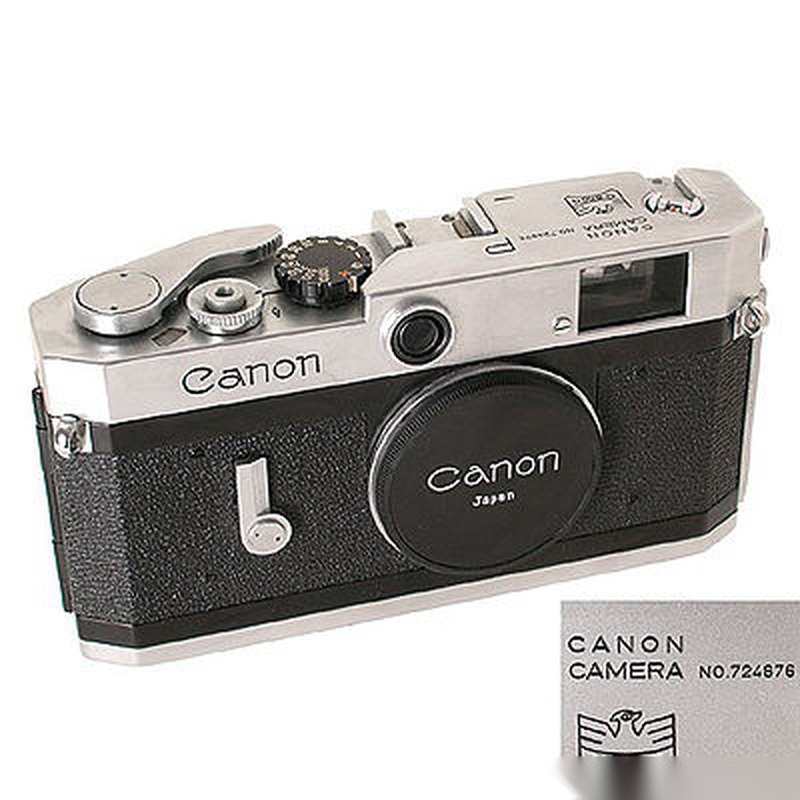
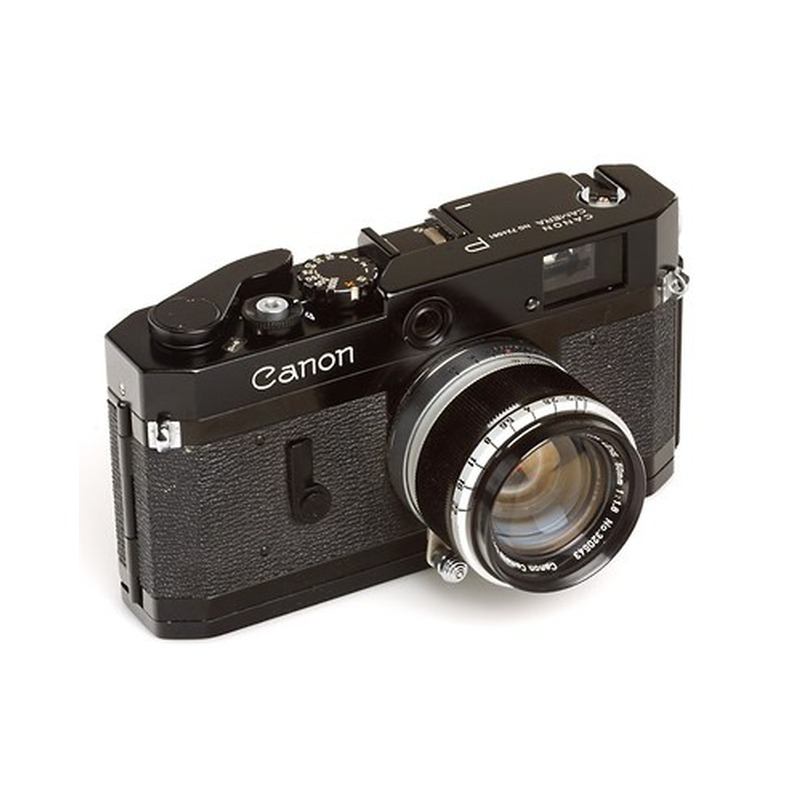
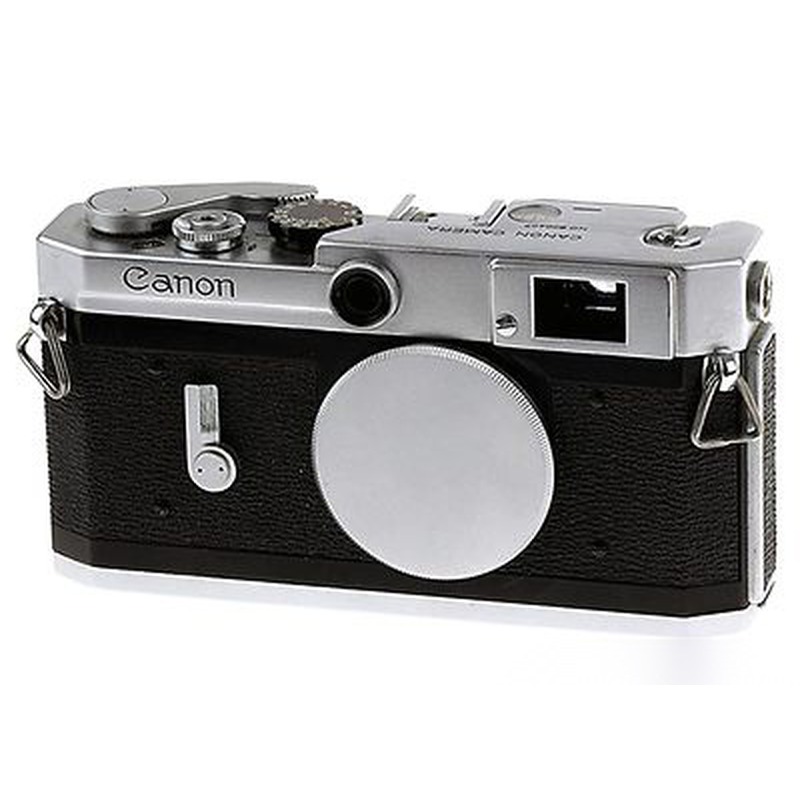
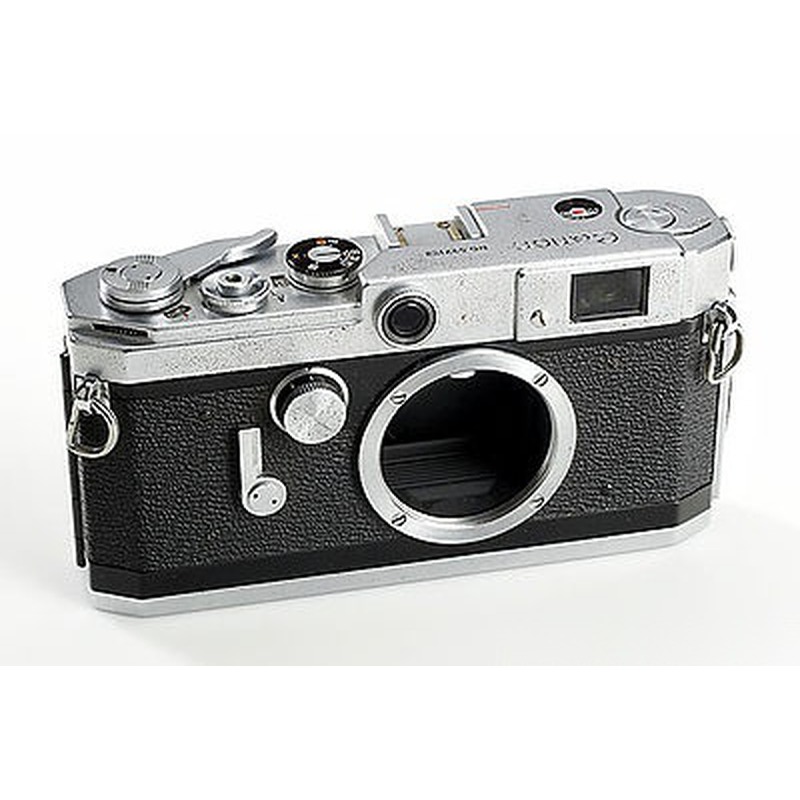
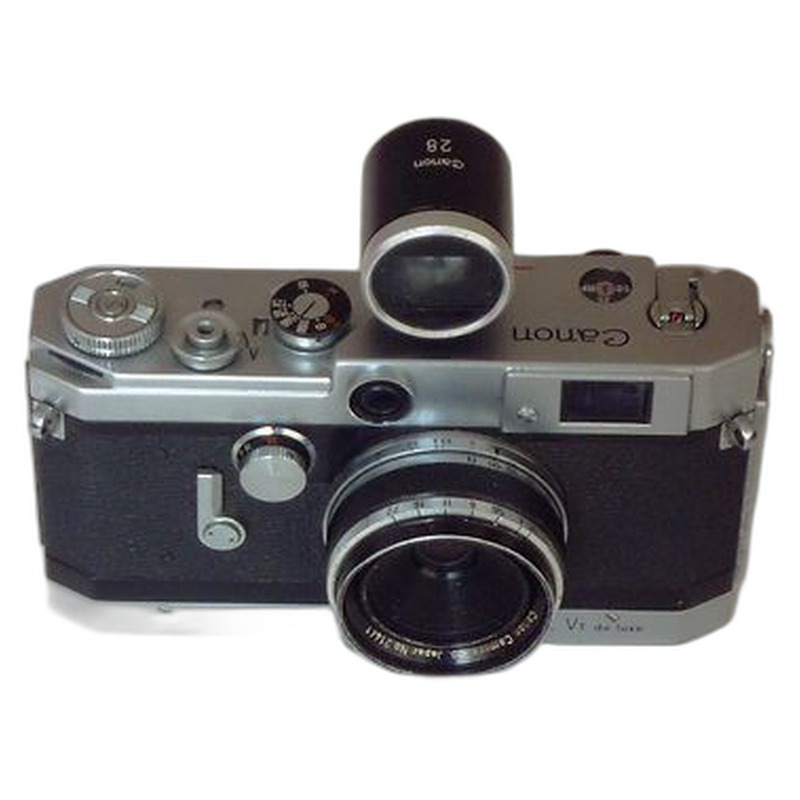
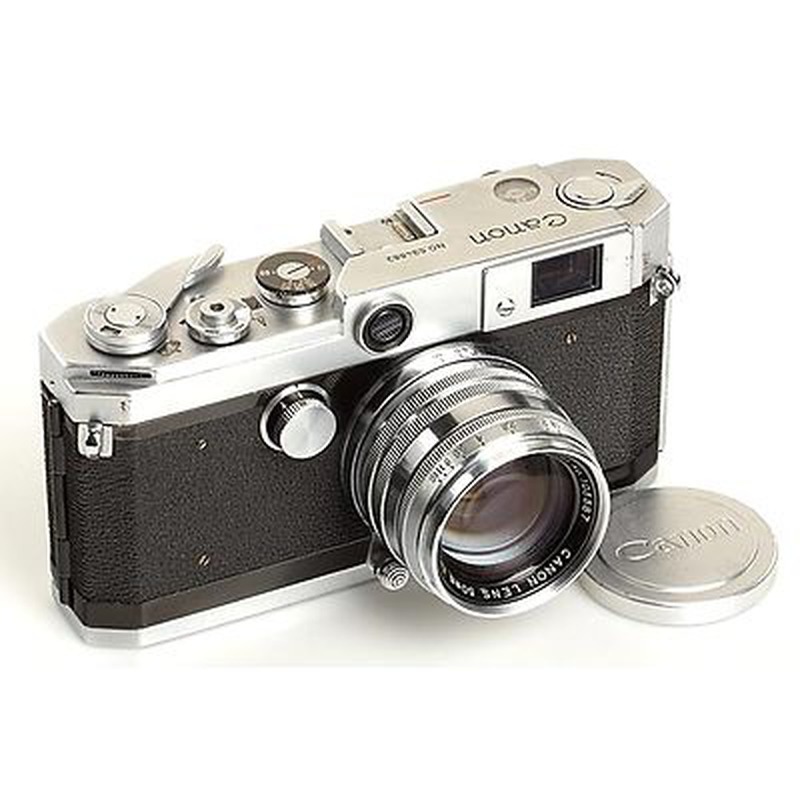
Canon VI-L Chrome
Canon · Japan · 1958–1960 (2 years) · 135 film
The Canon VI-L Chrome occupies a notable position within Canon's mid-20th century rangefinder line, representing a practical and well-engineered 35mm camera for serious amateur photographers from 1958 to 1960. As part of the Canon VI series, which bridged the gap between earlier Canon models and the later Canon 7, the VI-L offered a robust coupled rangefinder system paired with a respectable Canon lens, typically a 50mm f/1.8 or similar, facilitating accurate focusing for its time. It featured a cloth focal plane shutter with speeds ranging from 1 second to 1/500th plus B, housed in a durable metal body with chrome plating, embodying a period aesthetic focused on function and reliability. While not groundbreaking in its introduction, it exemplified Canon's refinement of the rangefinder concept, providing a dependable tool for capturing images on 135 film during a transitional period in photography.
Its design reflected the era's emphasis on mechanical precision and user control, offering features like a built-in coupled rangefinder for parallax-corrected viewing, a self-timer, and an accessory shoe for flashes or other accessories. The VI-L Chrome served as a capable workhorse, appealing to enthusiasts seeking a step-up from simpler box cameras or folding folders without the expense of top-tier European rangefinders. It represents a significant chapter in Canon's evolution, demonstrating the company's successful development of competitive, high-quality Japanese photographic equipment that laid groundwork for its future dominance, particularly as the SLR market began to rise.
Specifications
| Film Format | 135 |
 Enjoy this museum? Support on Ko-fi