Pricing
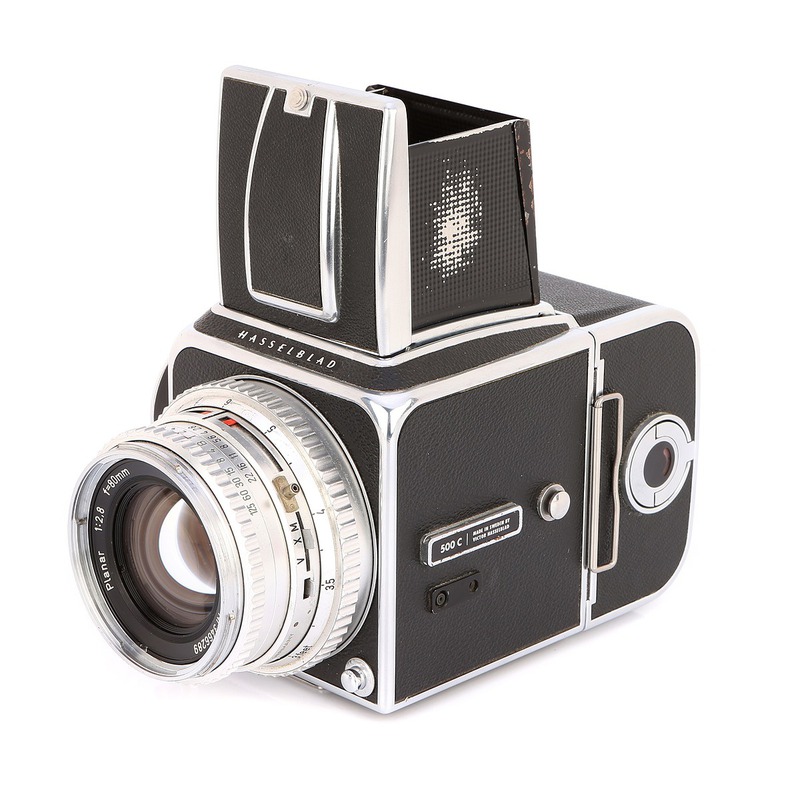
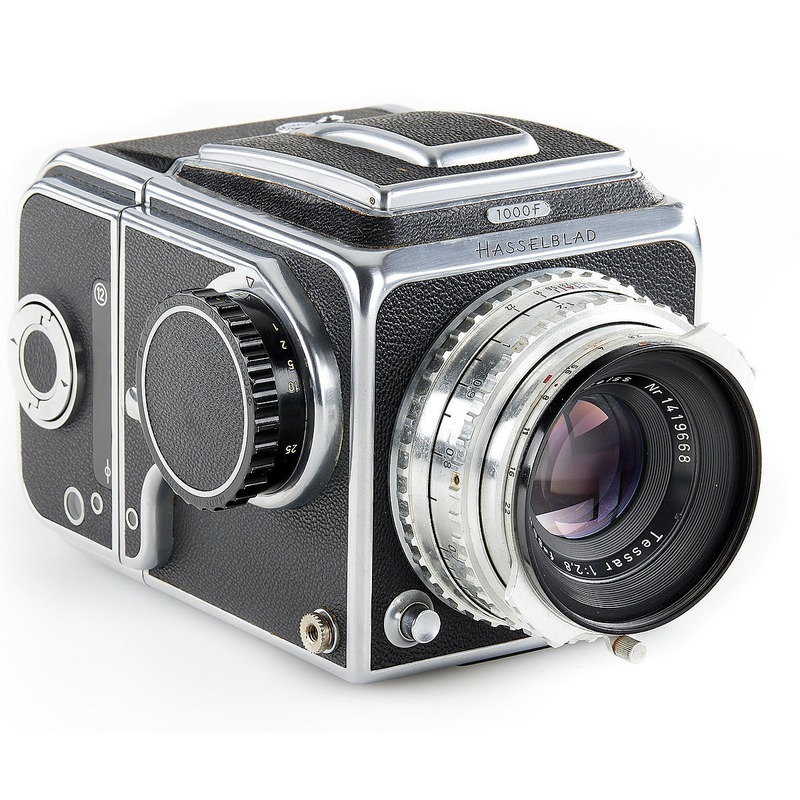
Hasselblad 500 C
Hasselblad · Sweden · 1957–1970 (13 years) · 120 film
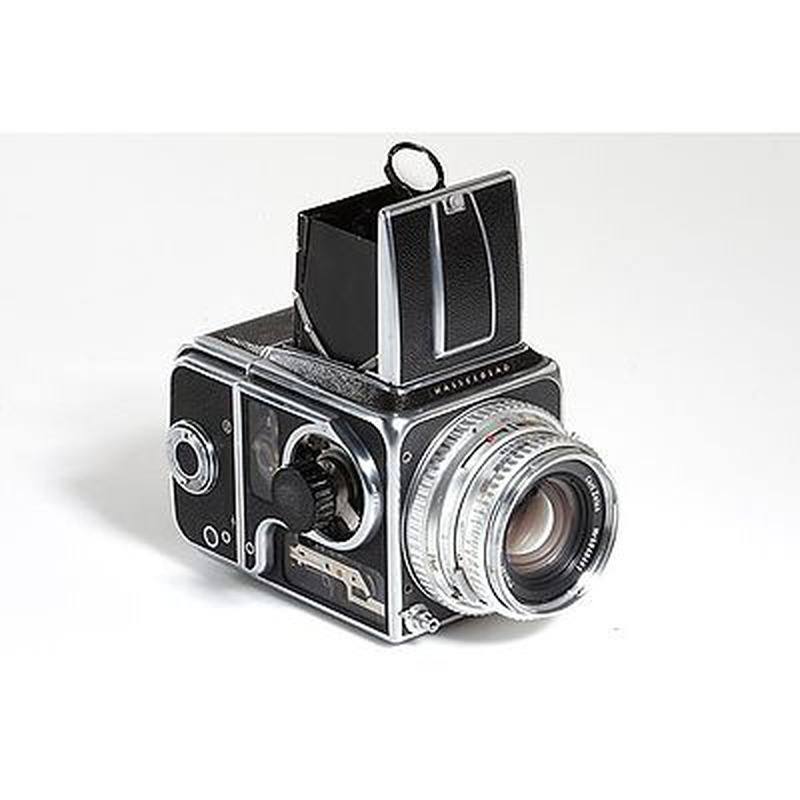
Introduced in 1957, the Hasselblad 500 C revolutionized professional medium format photography by establishing the modular system that became the brand's signature. It was the first Hasselblad SLR body to accept interchangeable C-mount lenses (developed in collaboration with Zeiss) and featured a revolutionary interchangeable film back, waist-level finder, and focusing screen system. This modularity allowed photographers to switch between 120 and 220 film backs, different viewfinders, and even magazine inserts mid-roll without disrupting exposure, offering unparalleled versatility for studio and location work. The camera's robust all-metal construction, featuring a focal-plane shutter with speeds up to 1/500s and flash synchronization, combined with the exceptional optical quality of Zeiss lenses, set new standards for image sharpness and reliability in the 6x6cm format.
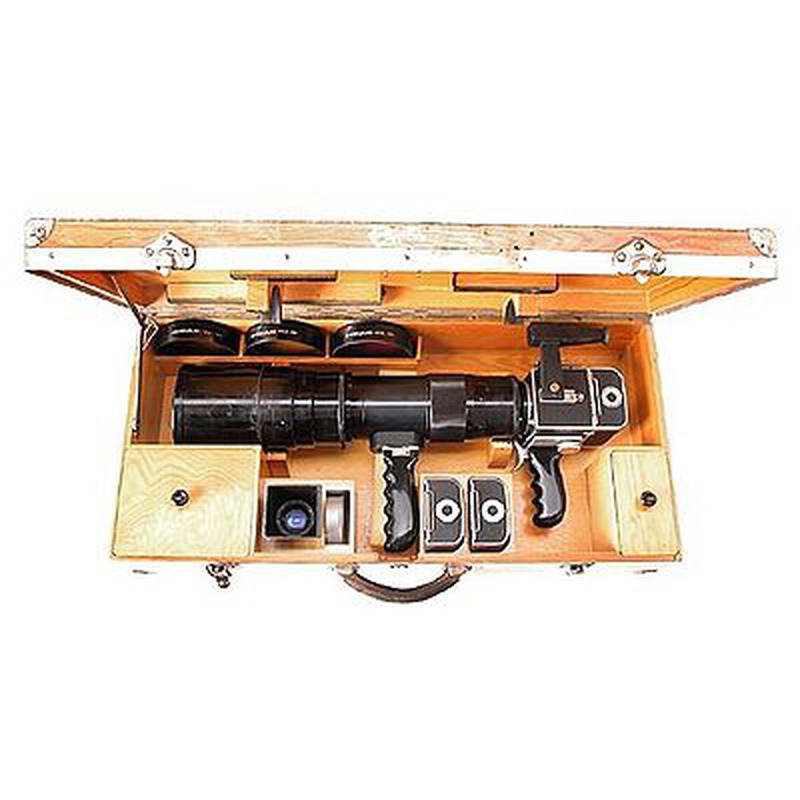
The 500 C rapidly became the tool of choice for demanding professionals, particularly in fashion, advertising, and photojournalism, renowned for its impeccable build quality and the distinctive "look" produced by its coated lenses. Its historical significance was cemented when NASA adopted a modified version for space missions, beginning with the Mercury program. The Hasselblad flown to space captured the iconic images of the Earth from the Moon during the Apollo 11 mission, solidifying its place as an instrument that documented human history beyond our planet. Although technically succeeded by the 500 C/M in 1970, the 500 C and its modular descendants remained the dominant force in high-end medium format photography for decades.
Specifications
| Film Format | 120 |
/main.jpg)
/main.jpg)
 Enjoy this museum? Support on Ko-fi