/main.jpg)
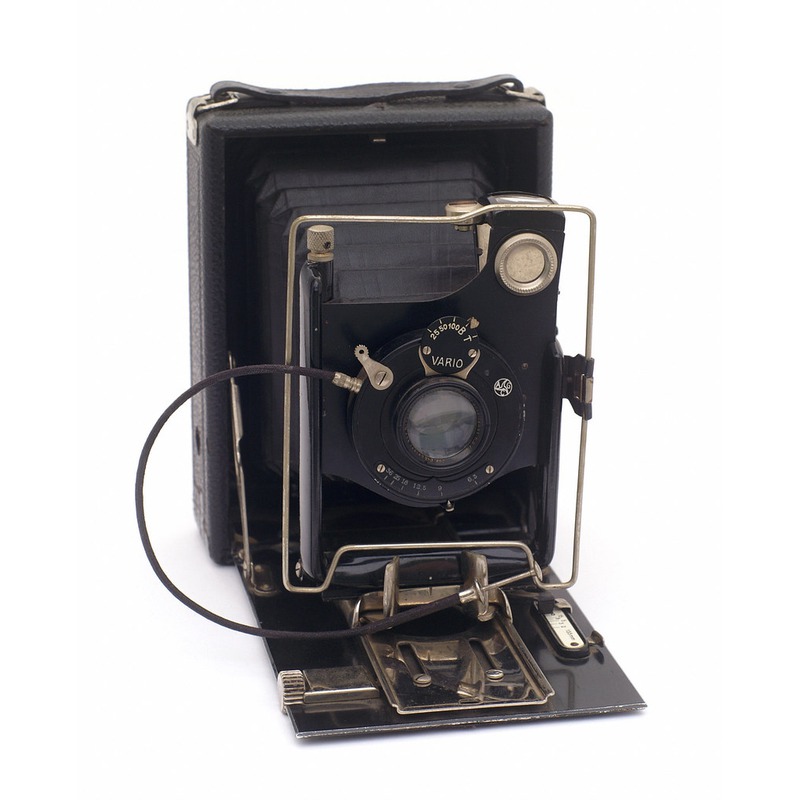
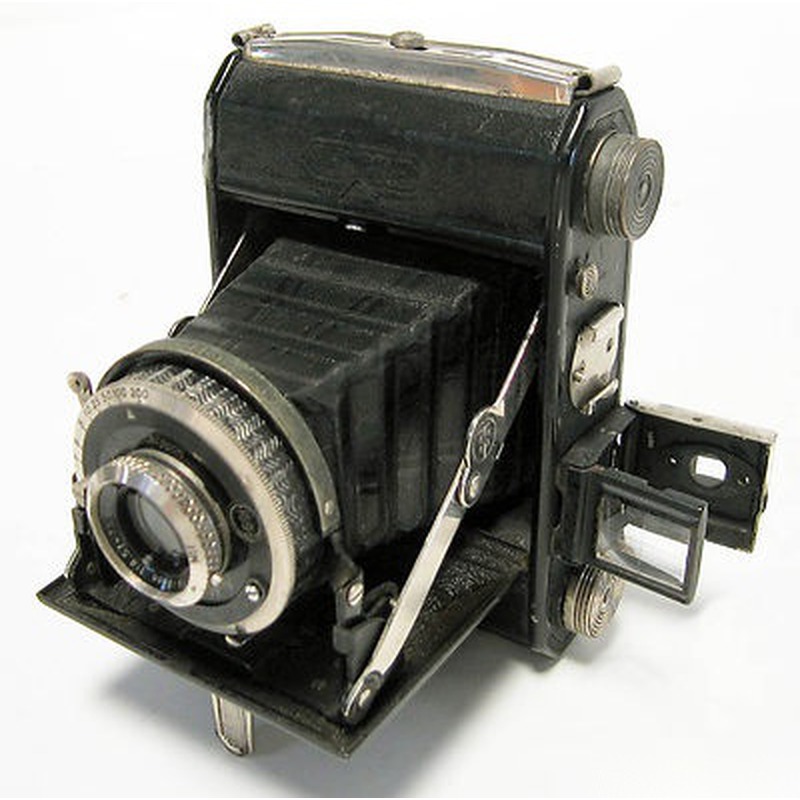
Minolta Happy (Molta)
Minolta · Japan · 1931 · 135 film
Introduced in 1931, the Happy (Molta) represents Minolta's significant early venture into the burgeoning 135 (35mm) still camera market. As one of the company's initial attempts to compete in this new format pioneered by Leica, the Happy (Molta) holds historical importance as a marker in Minolta's evolution towards becoming a major photographic manufacturer. It was designed to utilize readily available 35mm movie film cassettes, democratizing the format beyond high-end imports. While its specific features are less documented compared to contemporaries, it exemplified the Japanese industry's adaptation and entry into a field dominated by European innovation during the early 1930s. Its existence underscores the transition of 35mm from a niche movie format to a practical still photography option available to enthusiasts.
The camera likely offered a straightforward, utilitarian design characteristic of early Japanese 35mm models, focusing on core functionality for the emerging amateur market. Its significance lies primarily in its context as Minolta's debut 35mm product, contributing to the broader accessibility and acceptance of the small-format camera. It was a practical step forward for Minolta, demonstrating their commitment to developing domestic photographic technology during a challenging economic period, rather than being a groundbreaking or technically revolutionary design in its own right.
Specifications
| Film Format | 135 |
/main.jpg)
/main.jpg)
/main.jpg)
/main.jpg)
 Enjoy this museum? Support on Ko-fi