/main.jpg)
Pricing
Minolta Baby Minolta (1)
Minolta · Japan · 1935 · 135 film
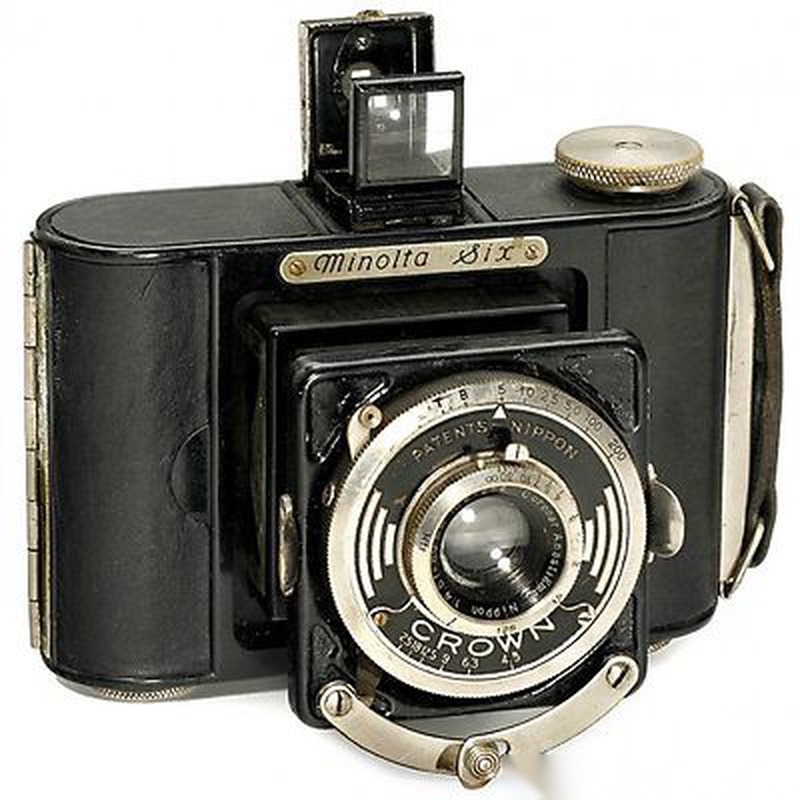
The Baby Minolta (1), introduced by Minolta in 1935, holds a significant place as the company's inaugural venture into the 35mm (135) format. Representing Minolta's entry point into the small-format market pioneered by cameras like the Leica, this model established Minolta's presence in this burgeoning class. Designed for the enthusiast photographer, it offered portability and the convenience of standardized 35mm film. Its construction was characteristic of early Japanese precision cameras, featuring a die-cast body and a fixed or simple interchangeable lens system, coupled with a focal-plane shutter providing basic speeds suitable for everyday shooting. While not groundbreaking in technology, the Baby Minolta (1) demonstrated Minolta's commitment to entering the competitive 35mm arena with a functional, well-built camera aimed at the serious amateur market.
This camera embodies the period's transition where 35mm was evolving from specialized tool to mainstream option. Its introduction coincided with Minolta's broader strategy to diversify beyond larger and medium formats. The design followed established conventions of the era, prioritizing reliability and practicality over radical innovation. Collectively, the Baby Minolta (1) is remembered as a foundational model for Minolta's subsequent success in 35mm photography, marking a crucial step in the company's development but lacking the iconic status or transformative impact of earlier European counterparts.
Specifications
| Film Format | 135 |
/main.jpg)
 Enjoy this museum? Support on Ko-fi