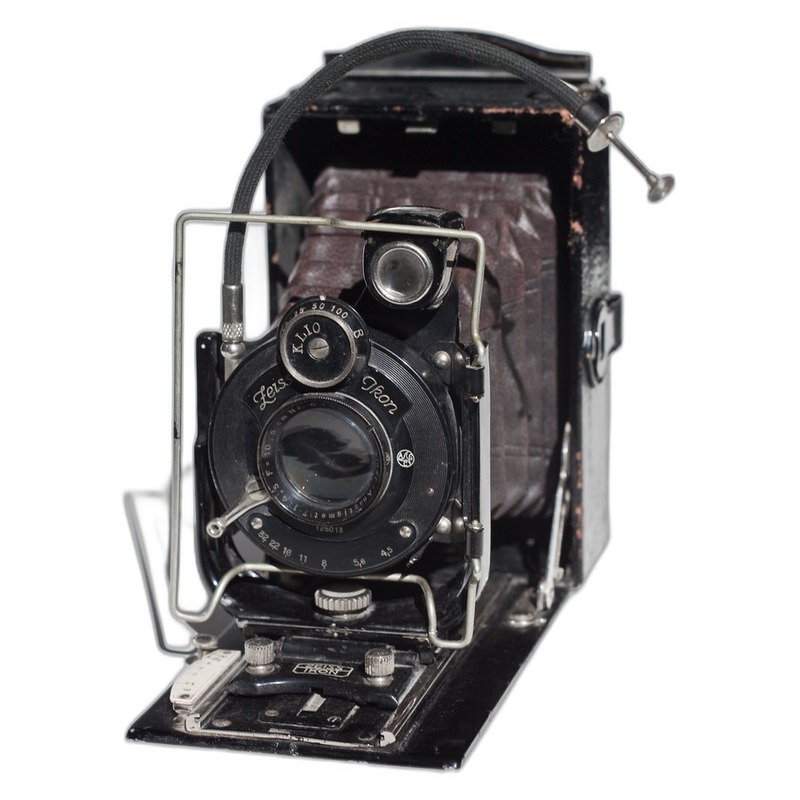
Zeiss Volta 146
Zeiss · Germany · 1927–1931 (4 years) · 135 film
The Zeiss Volta 146 represents a significant chapter in the early development of 35mm photography during the late 1920s. Produced by the renowned German optical firm Zeiss-Ikon from 1927 until 1931, it was one of the earliest cameras designed specifically for the then-emerging 135 film format. While its specific model type (like whether it was a viewfinder camera or rangefinder) remains undocumented in the provided information, the Volta 146 occupies an important place as a practical, early adopter of the compact 35mm concept. It served as an accessible option for photographers seeking smaller, more portable alternatives to bulky roll-film or plate cameras, contributing to the groundwork laid by pioneers like the Leica. As a Zeiss product, it likely incorporated reliable engineering and optical quality typical of the brand, though its design would have been relatively straightforward compared to later high-end models, reflecting its position as a functional camera rather than an icon of innovation. Its production period coincided with the critical years when 35mm was establishing its viability for serious amateur and professional use.
The Volta 146 exemplifies the transition era where 35mm film gained traction as the standard for small-format photography. Its basic, robust design aligns with Zeiss's reputation for dependable manufacturing, making it a competent tool for its time. While not possessing the groundbreaking features or legendary status of cameras like the contemporaneous Leica I, it holds historical importance as a tangible piece of the early 35mm landscape. Surviving examples offer a glimpse into the practical application of this revolutionary format in the hands of photographers just beginning to embrace the advantages of 35mm.
Specifications
| Film Format | 135 |
/main.jpg)
/main.jpg)
/main.jpg)
/main.jpg)
 Enjoy this museum? Support on Ko-fi