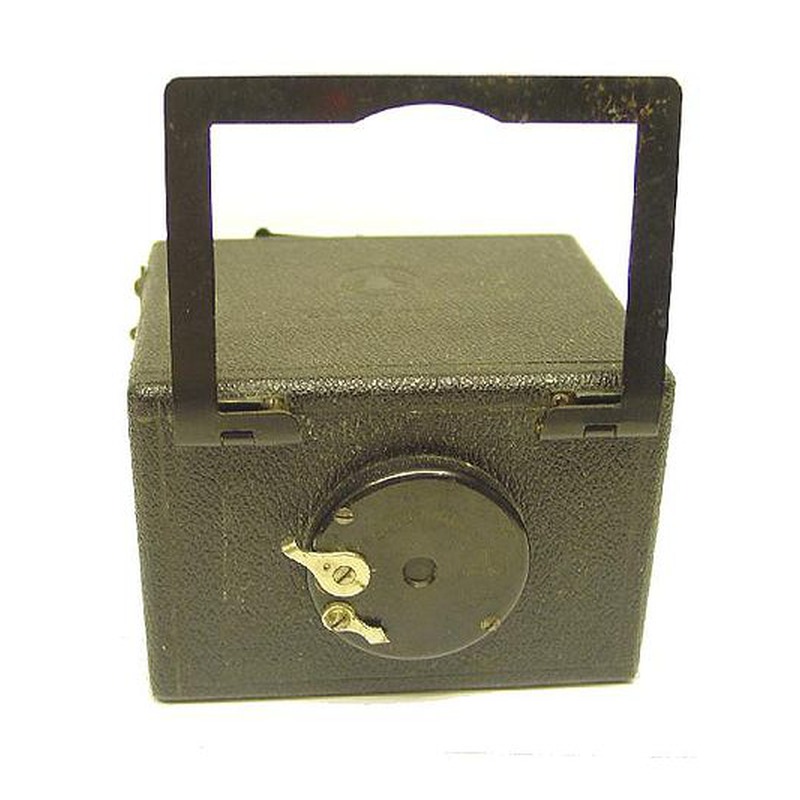
Zeiss Erni 27
Zeiss · Germany · 1926–1930 (4 years) · 135 film
The Erni 27 represents Zeiss Ikon's early entry into the 35mm camera market during a period of intense innovation and competition, specifically from 1926 to 1930. Produced just a few years after the launch of the groundbreaking Leica I, the Erni 27 was likely positioned as a contemporary alternative within the burgeoning compact 35mm segment. Utilizing the standard 135 film format, it embodied Zeiss's engineering prowess adapted to a new, smaller format. While details of its specific type (like whether it was a rangefinder, viewfinder, or folding model) are not documented within the given information, its production signifies Zeiss's recognition of the potential and growing demand for high-quality miniature cameras. The camera serves as a historical artifact, demonstrating the rapid evolution and diversification of the 35mm platform during the late 1920s, capturing the zeitgeist as photography moved towards smaller, more portable devices.
As a product from one of Germany's most esteemed optical manufacturers, the Erni 27 would have incorporated Zeiss's commitment to precision optics and robust construction typical of the era. Its existence underscores the competitive landscape of the early 35mm market, where established firms like Zeiss were actively developing products to challenge pioneers like Leica. The camera occupies a niche as a representative example of the phase where 35mm film was solidifying its place as the standard for serious amateur and professional photography, before the dominance of more iconic models later in the decade. It is less celebrated for specific groundbreaking features and more significant as part of the foundational period of 35mm photography.
Specifications
| Film Format | 135 |
 Enjoy this museum? Support on Ko-fi