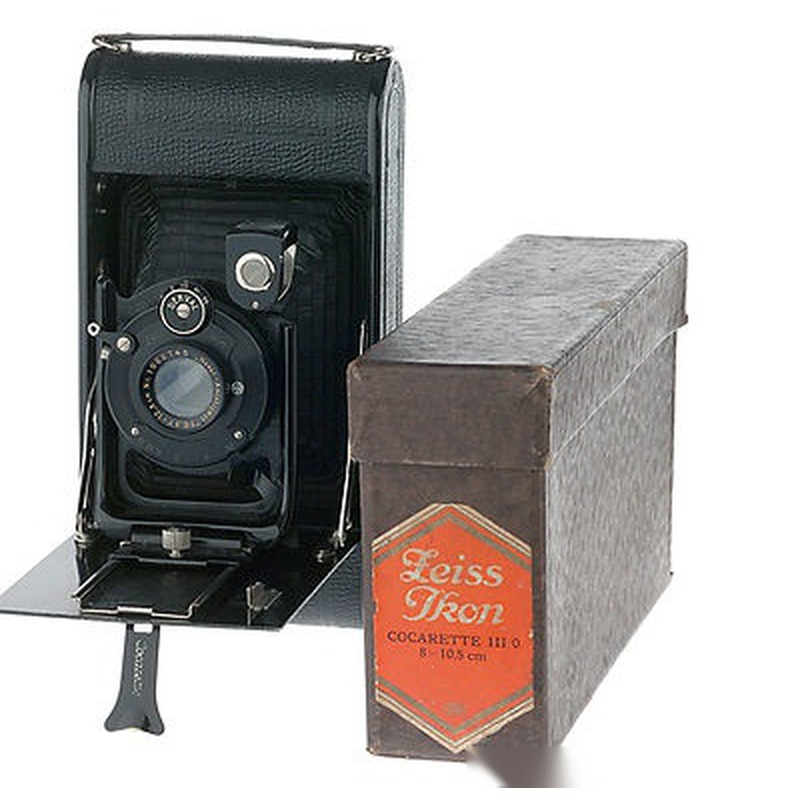
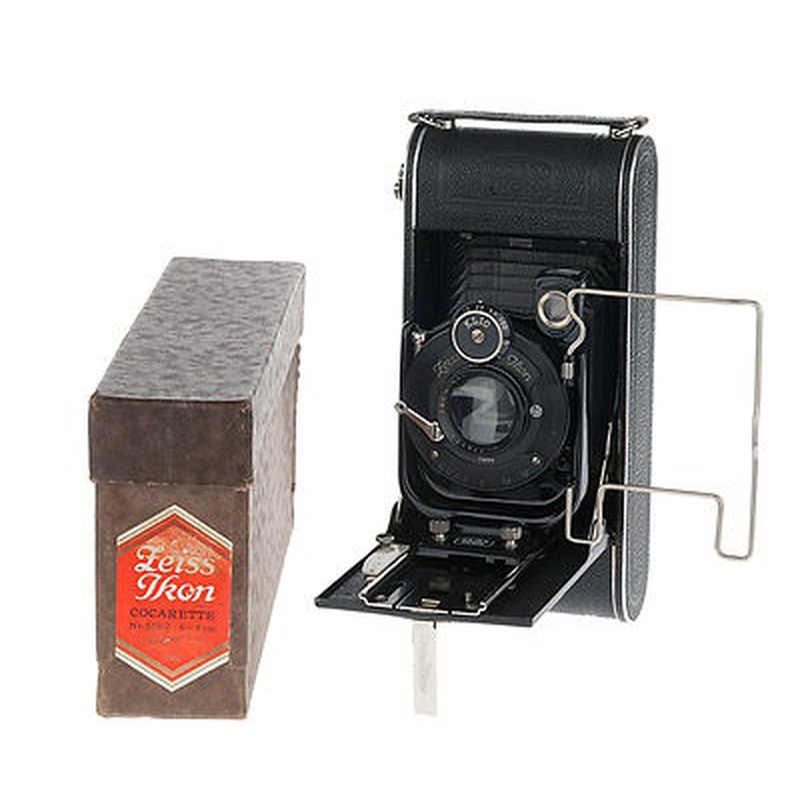
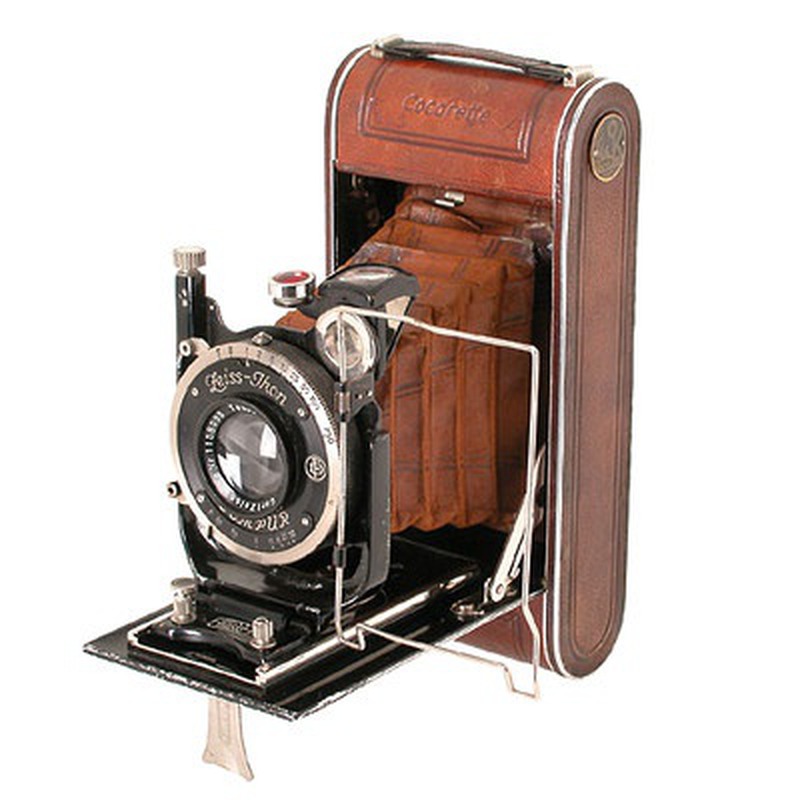
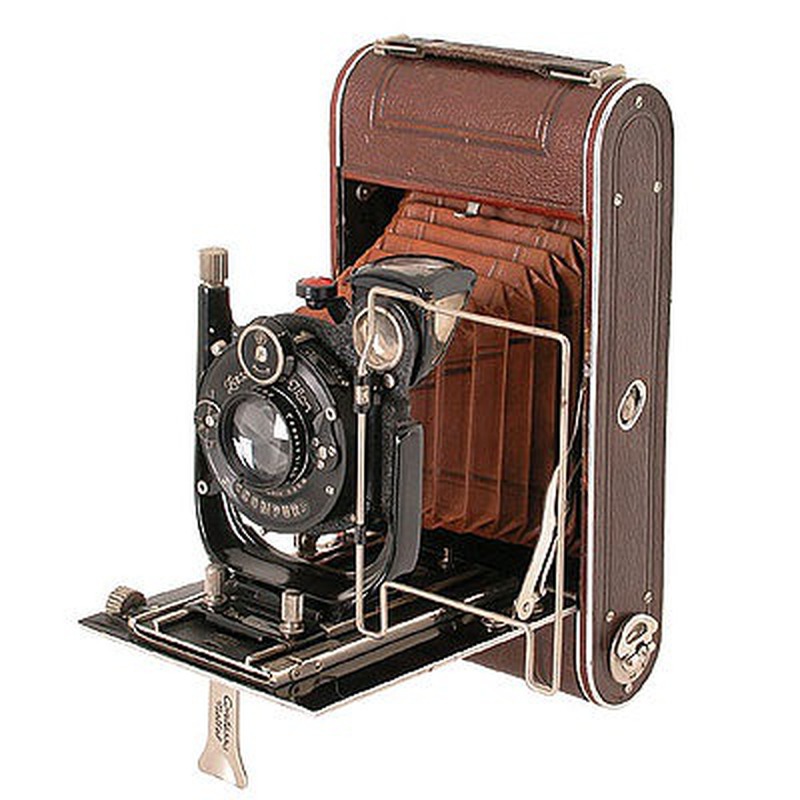
Zeiss Cocarette 8x10.5 cm
Zeiss · Germany · 1926–1930 (4 years) · 4x5 film
The Cocarette 8x10.5 cm represents a solid mid-century offering from Zeiss during the late 1920s, embodying the company's reputation for precision engineering in the realm of folding plate cameras. Designed for the 4x5 cm format (actually producing an 8x10.5 cm negative, a common European size), it catered to photographers requiring a portable yet capable large format system. Its core appeal lay in the combination of Zeiss's renowned optics, likely including versions of their Tessar or similar triplet lenses, with a robust folding body construction designed for field use. While not groundbreaking in design, the Cocarette exemplified the practical, high-quality instrumentation Zeiss supplied to serious amateurs and professionals of the era before the widespread adoption of roll film. Its production spanned from 1926 to 1930, fitting within a transitional period for large format photography.
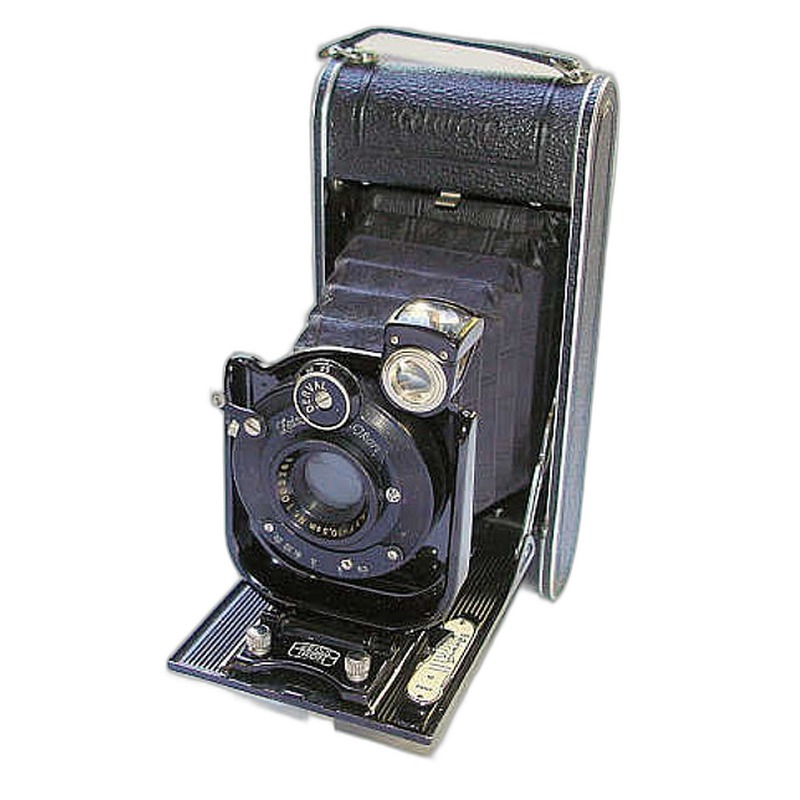
As a folding camera, the Cocarette 8x10.5 cm prioritized portability without sacrificing the image quality associated with larger negatives. Utilizing sheet film or plates, it offered the advantages of large format, such as excellent detail and perspective control, while the folding bellows mechanism allowed it to be compact when not in use. Its build reflected Zeiss's commitment to durability, typically featuring metal components and leather covering. While specific design details remain unrecorded, it likely followed the established conventions of high-end folding plate cameras of the time, including ground glass focusing and standardized lens/shutter board interchangeability common in Zeiss systems. It served reliably as a tool for landscape, architectural, and technical photography where portability and image quality were paramount.
Specifications
| Film Format | 4x5 |
 Enjoy this museum? Support on Ko-fi